
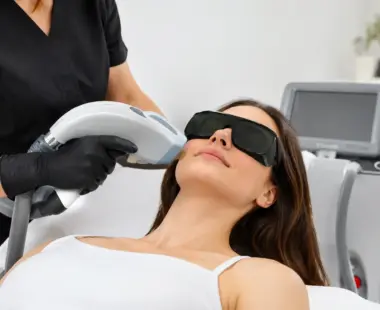
What a GentleMax Pro Experience Really Feels Like
A GentleMax Pro experience combines tailored laser settings, built-in cooling, and expert care for smoother skin with less disruption to your schedule.
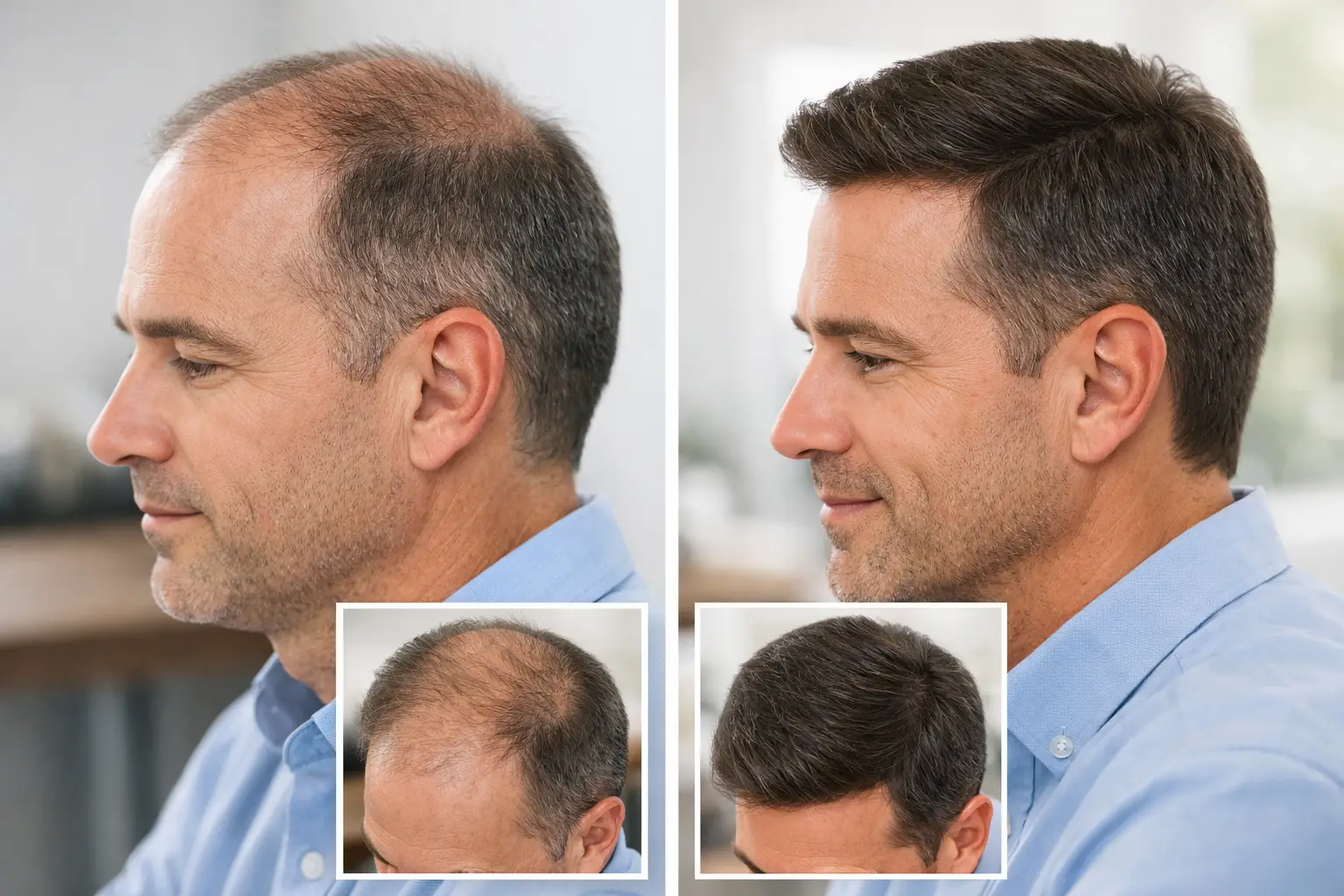
A realistic look at hair restoration before and after starts with one truth – the best results rarely appear overnight. Most people notice hair loss gradually, then hope for a dramatic reversal just as quickly. In practice, meaningful improvement comes from the right diagnosis, a personalized treatment plan, and enough time for the scalp and follicles to respond.
That is exactly why before-and-after conversations matter. They help set expectations. They also help separate real clinical progress from marketing hype, especially for patients who want visible improvement without surgery, scars, or a long recovery.
A strong before-and-after result is not only about seeing more hair in a single photo. It is about better density, improved coverage, a healthier growth cycle, and a more balanced overall appearance. For some patients, the most meaningful change is less scalp visibility around the part line or crown. For others, it is a stronger hairline frame, reduced shedding, or thicker strands that style more easily.
This matters because hair restoration is not one-size-fits-all. A person with early thinning may respond differently than someone with long-term follicle miniaturization. Hormonal shifts, genetics, stress, age, scalp health, and underlying medical factors all influence what the after phase can realistically look like.
The most trustworthy results are taken under consistent lighting, from similar angles, and across a timeline that reflects actual hair growth. If photos are too immediate or too stylized, they can create the wrong impression. In a medical aesthetics setting, the goal is not to oversell. It is to show measurable progress with honesty and precision.
Hair restoration works best when treatment is designed around the individual, not a generic protocol. The same technology can produce very different outcomes depending on hair loss pattern, follicle health, and how early treatment begins.
Patients in the early stages of thinning often see stronger cosmetic improvement because more follicles are still active. If the hair shaft has become finer but the follicle is not dormant, there is a better chance of improving thickness and extending the growth phase. Patients with more advanced loss may still benefit, but their result may look like stabilization plus modest filling in rather than a full return to prior density.
Consistency also plays a major role. Non-surgical hair restoration typically involves a series of treatments rather than a single session. Skipping appointments, stopping too early, or expecting one treatment to do all the work can limit progress. The after photo usually reflects a process, not an isolated visit.
There is also the issue of goals. Some patients want a softer, fuller hairline. Others want less shedding or stronger density through the temples and crown. The best treatment plans are built with those priorities in mind so results are meaningful in everyday life, not just in photos.
One of the most common misconceptions is that restoration should look dramatically different within a few weeks. Hair biology does not move that fast. Follicles need time to cycle, and even successful stimulation happens gradually.
In the first month, some patients notice reduced shedding or a subtle improvement in scalp health. This is encouraging, but it is usually not the stage where major visual change happens. Around the two- to four-month mark, patients may start seeing early thickening, new baby hairs, or improved texture in areas that once looked sparse.
More noticeable before-and-after differences often appear between four and six months, with continued progress after that depending on the treatment approach and the patient’s response. For some, the most satisfying change is not explosive regrowth but a slow shift toward fuller, stronger, healthier-looking hair that keeps improving with maintenance.
That timeline can feel slow, especially for patients who have already spent months worrying about thinning. But slower does not mean ineffective. In many cases, gradual change is exactly what creates natural-looking improvement.
Not everyone needs or wants a surgical solution. Many adults are looking for advanced options that fit into a busy schedule and support visible change without incisions or significant downtime. That is where non-surgical hair restoration can be especially appealing.
Good candidates often include men and women with early to moderate thinning, increased shedding, widening part lines, or reduced density after stress, hormonal change, or aging. It can also be a strong option for patients who want to maintain the hair they still have and improve overall scalp conditions that affect growth quality.
An in-person assessment remains essential. Hair loss can look similar on the surface while having different causes underneath. If thinning is connected to inflammation, hormone imbalance, postpartum change, nutritional deficiency, or another medical issue, treatment planning needs to account for that. Precision matters. Without it, before-and-after expectations may not match reality.
The quality of the device and the skill behind the treatment both influence results. Premium medical aesthetics practices emphasize FDA-approved technology for a reason. The platform matters, but so do settings, treatment intervals, and the provider’s ability to tailor care responsibly.
A personalized plan may include a series of sessions spaced over several months, along with supportive recommendations based on the patient’s scalp condition, degree of thinning, and response over time. This level of customization helps improve both safety and performance, especially for patients who want a refined, medically informed approach rather than a generic wellness trend.
At Laser Aesthetics, hair restoration is approached with that same emphasis on advanced technology, individualized care, and visible results. For patients in Scottsdale and the greater Phoenix area, that combination can make the process feel more clear, more comfortable, and more grounded in what is actually achievable.
Still, realistic expectations are part of good care. Non-surgical restoration can improve density and support healthier growth, but it may not recreate the volume someone had at age twenty. The right goal is meaningful improvement that looks natural and supports confidence.
Before-and-after images can be incredibly helpful, but they should be interpreted carefully. First, look at the hairline, part width, crown visibility, and overall scalp show-through, not just the styling. Fuller appearance can be created temporarily with lighting, angle changes, or product use, so consistency matters.
Second, consider the timeline attached to the image. A photo taken after one treatment says something different than a photo taken after a full protocol and maintenance period. The more context provided, the more trustworthy the comparison becomes.
Third, focus on changes that fit real hair growth patterns. Natural results usually look progressive, not abrupt. Slightly denser edges, better coverage through the crown, and improved thickness through the mid-scalp are often more believable than extreme transformations presented without explanation.
Hair loss is often treated like a cosmetic issue alone, but for many patients it affects daily confidence in a very direct way. They notice how their scalp looks under bright lighting, how photos are angled, how styling becomes more limited, and how much mental energy goes into covering thinning areas.
That is why after results matter beyond appearance. A successful outcome often means less self-consciousness at work, less frustration while getting ready, and a greater sense of control. When hair looks healthier and fuller, patients often feel more like themselves again.
The best providers understand that emotional component without making unrealistic promises. Reassurance should come from a thoughtful plan, documented progress, and expert guidance, not exaggeration.
Once treatment starts, follow-through matters. Patients usually do best when they stay on schedule, attend progress evaluations, and give the process enough time to work. Temporary fluctuations can happen. Hair growth is cyclical, and some stages look more dramatic than others.
Patience is easier when expectations are clear from the start. The after phase is not a finish line reached in one leap. It is a sequence of visible improvements that build on one another. Some changes are photographic. Others show up in the mirror first – easier styling, better texture, reduced breakage, and less scalp contrast.
If you are considering treatment, the smartest next step is not chasing the most dramatic image online. It is getting an expert assessment that explains what your own hair restoration before and after could realistically look like, based on your pattern of loss, your goals, and your timeline. When the plan is tailored well, progress tends to look natural, confident, and worth the wait.

A GentleMax Pro experience combines tailored laser settings, built-in cooling, and expert care for smoother skin with less disruption to your schedule.

A guide to scalp hair restoration explains causes of thinning, treatment options, candidacy, timelines, and how personalized plans support fuller hair.
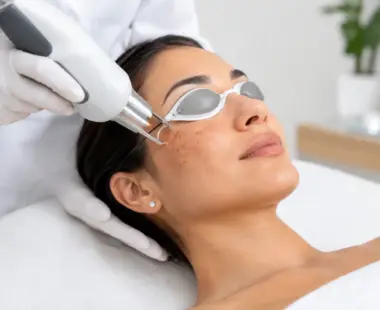
See why the best laser treatments for pigmentation vary for sun spots and melasma, and how skin tone, goals, and downtime shape a safe plan with care.
Monday: 9 AM–7 PM
Tuesday: 9 AM–5 PM
Wednesday: 9 AM–7 PM
Thursday: 9 AM–5 PM
Friday: 9 AM–4 PM
Saturday: 9 AM–4 PM
Sunday: 9 AM–2 PM