
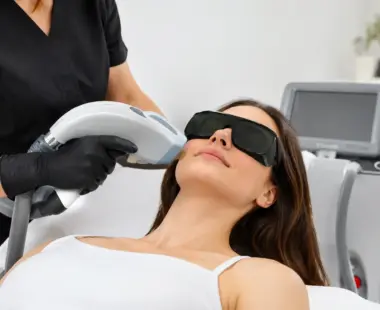
What a GentleMax Pro Experience Really Feels Like
A GentleMax Pro experience combines tailored laser settings, built-in cooling, and expert care for smoother skin with less disruption to your schedule.
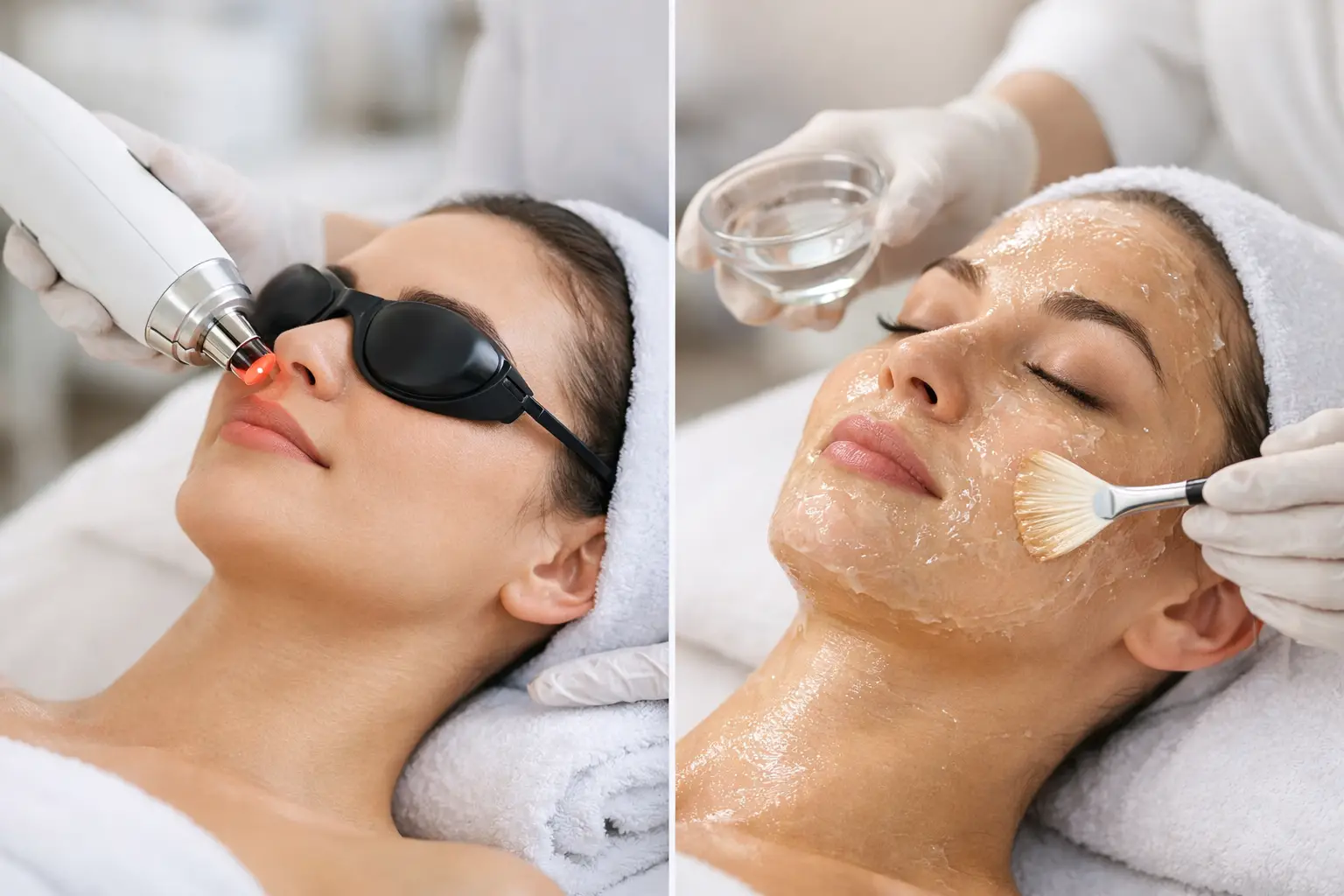
A polished complexion before a Scottsdale event is one goal. Fading stubborn sun spots, softening acne scars, or building healthier-looking skin over time is another. When comparing a laser facial vs chemical peel, the best choice comes down to your skin concern, skin tone, desired recovery time, and how much correction you want from each visit.
Both treatments can improve tone, texture, and radiance without surgery. They do not work in the same way, however. A chemical peel uses carefully selected acids to renew the skin through controlled exfoliation. A laser facial uses focused light energy to target concerns beneath and at the surface of the skin. One is not universally better than the other. The right treatment is the one designed around your skin, not the one that happens to be trending.
A chemical peel applies a medical-grade solution to the skin for a prescribed amount of time. Depending on the formula and strength, it loosens dead surface cells, stimulates renewal, and can address concerns ranging from dullness and congestion to uneven pigmentation and fine lines. Superficial peels tend to have lighter flaking and minimal interruption to your routine. Medium-depth options create more noticeable peeling and require a more deliberate recovery plan.
A laser facial uses laser energy rather than acids. At Laser Aesthetics, a YAG laser facial can be customized to refresh the complexion, support collagen activity, and address visible redness, discoloration, and overall skin quality. Fractional non-ablative laser resurfacing takes a more targeted approach to texture, pores, fine lines, and certain types of acne scarring by creating controlled treatment zones while leaving surrounding tissue intact.
The distinction matters because lasers can be adjusted with greater precision for depth, energy, and treatment area. A peel is selected by formula, concentration, and application technique. Both require trained judgment. Skin that is overtreated, whether by a peel or laser, does not produce faster or better results.
Chemical peels are often an excellent option when your primary concerns sit close to the skin’s surface. If your complexion looks dull, makeup catches on dry patches, or you are managing mild breakouts and congestion, a superficial peel can provide a clear, refreshed look with relatively little downtime.
Peels can also be useful for some forms of hyperpigmentation, post-acne marks, and early signs of photoaging. The exact peel matters. A provider may choose a gentler formula for reactive skin or a more active approach for stubborn discoloration, provided your skin is an appropriate candidate.
Many clients appreciate that a peel can fit into a consistent maintenance routine. You may feel mild warmth or tingling during treatment, followed by tightness, dryness, or light flaking over the next few days. With stronger peels, visible peeling can last longer. The temptation to pick at shedding skin is real, but resisting it protects your barrier and helps prevent irritation or discoloration.
A chemical peel may be less suitable if your skin barrier is compromised, you have active irritation or infection, or you cannot avoid sun exposure during recovery. Certain acne medications, retinoids, and skin-care products may also need to be paused before treatment under professional guidance.
A laser facial is often a stronger fit for clients who want more targeted correction with a technology-driven treatment plan. Laser energy can be especially effective for diffuse redness, sun-related discoloration, visible vessels, uneven tone, and early signs of aging. Depending on the laser and settings, it may also support firmer, smoother-looking skin by encouraging collagen remodeling.
For clients concerned about texture, enlarged pores, fine lines, or acne scars, fractional non-ablative resurfacing may offer benefits that a light peel cannot fully match. Because collagen remodeling takes time, these improvements develop gradually. Skin can look brighter after an early treatment, but deeper texture changes are usually a series-and-maintenance conversation rather than a one-appointment promise.
A YAG laser facial can be a valuable choice for people who want a refreshed appearance with limited disruption to their schedule. Temporary warmth, redness, or a mild sun-kissed look are common after many laser treatments. Recovery varies by technology and intensity. A gentle laser facial may have little downtime, while resurfacing treatments can involve several days of redness, dryness, or bronzing as treated pigment rises and sheds.
Laser treatment requires especially thoughtful customization for skin tone. Melanin absorbs certain wavelengths of light, so the device, settings, treatment timing, and aftercare must be selected carefully to reduce the risk of unwanted pigment changes. Advanced platforms such as the FDA-approved GentleMax Pro offer versatile capabilities, but technology is only as effective as the expertise behind the treatment plan.
The question is rarely just laser facial vs chemical peel. It is also whether you want a quick glow before a special occasion or progressive correction for a long-standing concern.
A superficial chemical peel can create noticeable brightness and smoother makeup application within days. For acne, pigment, and more persistent texture concerns, a series is commonly recommended. Medium-depth peels may offer more dramatic exfoliation but also demand more recovery and more careful timing around travel, events, and sun exposure.
Laser results depend on the treatment selected. Some clients see improved clarity and radiance shortly after a laser facial. Concerns tied to collagen, including fine lines and acne scars, typically improve over weeks to months as the skin responds. A personalized series can create more meaningful change than a single aggressive session, especially when the goal is healthy, natural-looking improvement.
Neither option replaces daily sun protection. UV exposure can bring pigmentation back, prolong redness, and compromise the results you invested in. Broad-spectrum sunscreen, a supportive home routine, and avoiding excessive heat or friction immediately after treatment all help protect your outcome.
Both can be safe and effective when performed by qualified medical aesthetics professionals who understand skin biology, device settings, and contraindications. Safety is not a label attached to one treatment type. It is the result of correct candidate selection, conservative planning when needed, appropriate technique, and clear aftercare.
During a consultation, share your history of melasma, cold sores, keloid scarring, recent tanning, current medications, pregnancy status, and past reactions to treatments. These details can influence whether treatment should be modified, delayed, or avoided. They also help your provider identify whether a peel, laser, microneedling, or a combination plan offers the best path forward.
Be cautious with any provider who recommends the same peel strength or laser setting for every client. Your skin may be more sensitive in Arizona’s dry climate, after recent sun exposure, or while using active skin-care ingredients. Personalized treatment is not an upgrade. It is central to achieving visible results safely.
Yes, but not casually and not always in the same appointment. In the right sequence, laser and peel treatments can complement each other. For example, a laser plan may focus on redness, pigment, or collagen support, while an appropriately timed peel helps maintain surface smoothness and clarity.
The timing must protect your skin barrier. Combining treatments too closely can increase irritation, prolonged redness, peeling, and post-inflammatory hyperpigmentation. Your provider should consider the type of laser, depth of peel, your skin tone, your home routine, and any upcoming events before building a schedule.
For many clients, the most effective plan is not dramatic. It is a series of precisely selected treatments supported by consistent skin care and realistic recovery windows. That approach allows results to build while preserving the healthy, balanced skin you need for every next step.
If you want a refreshed, exfoliated complexion with a relatively simple treatment experience, a chemical peel may be the right starting point. If your concerns include redness, sun damage, visible pigment, pores, fine lines, or texture that needs more targeted correction, a customized laser facial or non-ablative resurfacing treatment may offer a better fit.
The most useful next step is a professional skin consultation that looks beyond one concern in the mirror. A precise plan can account for your skin tone, lifestyle, tolerance for downtime, and the result you want to see not only next week, but months from now. When treatment is selected with that level of care, your skin can look refreshed, even, and unmistakably like you at your best.

A GentleMax Pro experience combines tailored laser settings, built-in cooling, and expert care for smoother skin with less disruption to your schedule.

A guide to scalp hair restoration explains causes of thinning, treatment options, candidacy, timelines, and how personalized plans support fuller hair.
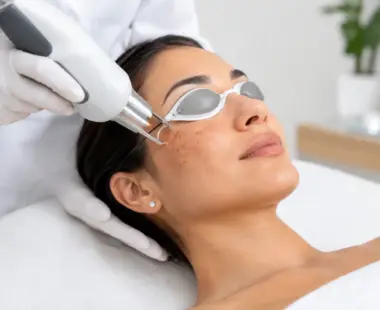
See why the best laser treatments for pigmentation vary for sun spots and melasma, and how skin tone, goals, and downtime shape a safe plan with care.
Monday: 9 AM–7 PM
Tuesday: 9 AM–5 PM
Wednesday: 9 AM–7 PM
Thursday: 9 AM–5 PM
Friday: 9 AM–4 PM
Saturday: 9 AM–4 PM
Sunday: 9 AM–2 PM