

Best Options for Body Sculpting That Work
Compare the best options for body sculpting, from noninvasive fat reduction to muscle toning, and choose a personalized treatment plan with confidence.
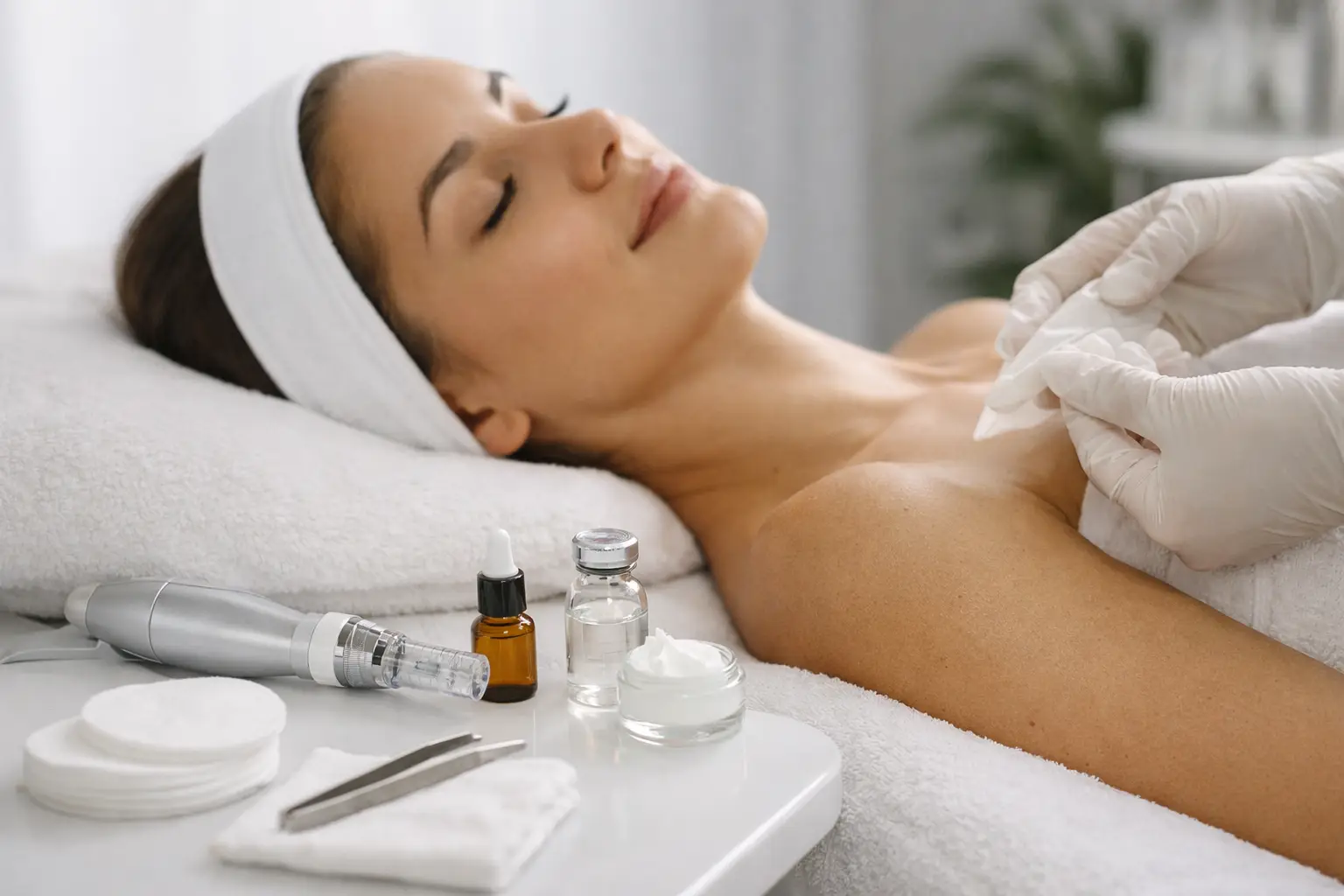
Microneedling works best when your skin arrives calm, protected, and ready for a precisely customized treatment. Knowing how to prepare for microneedling can help reduce avoidable sensitivity, support a more comfortable appointment, and set the stage for the smoother texture, firmer-looking skin, and refreshed radiance you want to see.
This is not a treatment to schedule around a last-minute beach weekend or after trying a new active serum. A thoughtful plan allows your provider to assess your skin accurately and select treatment settings designed around you.
Microneedling creates controlled micro-channels in the skin to stimulate its natural repair response and support new collagen and elastin production. Those tiny channels are intentional, but they also mean your skin should be free from irritation, sun exposure, infection, and unnecessary inflammation before treatment.
Start by sharing a complete health and skincare history during your consultation. This includes prescription medications, over-the-counter products, supplements, allergies, past cosmetic treatments, and any tendency to develop cold sores, pigmentation, or raised scars. Your provider can then determine whether microneedling is appropriate now, whether your treatment plan needs adjustment, or whether it is best to postpone.
Avoid tanning, sunburn, and significant unprotected sun exposure for at least two weeks before your appointment, unless your provider gives you a different timeline. Sun-exposed skin can be more reactive, and a recent tan may make it harder to assess your natural skin tone and condition accurately.
In Scottsdale and throughout the Phoenix area, incidental sun exposure can add up quickly. Wear broad-spectrum SPF 30 or higher daily, reapply when you are outdoors, and use a hat or seek shade during extended time outside. The goal is not to avoid normal life. It is to arrive without redness, peeling, or heat-stressed skin.
Many high-performance skincare products are excellent for long-term skin health but can be too stimulating in the days leading up to microneedling. Your provider may advise pausing retinoids, prescription tretinoin, exfoliating acids, scrubs, benzoyl peroxide, and other potentially irritating products several days before treatment.
The right timeline depends on your skin, the strength of the product, and the depth of your planned treatment. Do not guess, especially if you use prescription skincare for acne, melasma, or another medical concern. Follow the instructions provided by your treating professional rather than stopping a prescription without guidance.
Keep your routine simple during this window: gentle cleanser, bland moisturizer, and sunscreen. Avoid introducing a new serum, facial oil, peel pad, or at-home device before your appointment. Even a product that usually works well can cause a reaction when your skin is preparing for treatment.
Give your skin time to recover from other procedures before microneedling. Waxing, depilatory creams, chemical peels, aggressive exfoliation, laser treatments, and certain facials can all create temporary sensitivity. Depending on the service and treatment area, your provider may recommend spacing these appointments by one to several weeks.
If you are treating the face, skip shaving immediately before the visit if shaving typically causes irritation or razor bumps. If you need to shave, do it gently the day before with a clean razor and a product your skin already tolerates.
A safe microneedling plan is never one-size-fits-all. Some medications and health conditions may change the timing of your treatment, increase bruising risk, slow healing, or require medical clearance.
Tell your provider if you take prescription blood thinners, aspirin, anti-inflammatory medications, supplements that may affect bleeding, immune-suppressing medications, or oral acne medications. Do not discontinue medically necessary medication on your own. Your prescribing clinician should be the one to advise you when any adjustment is appropriate.
You should also disclose active acne breakouts, eczema or psoriasis flares, open cuts, rashes, bacterial or fungal infections, and any history of cold sores. If you have previously had cold sores around the mouth, a provider may recommend preventive antiviral medication before treating that area. Pregnancy, nursing, a history of keloid scarring, and recent isotretinoin use should also be part of the conversation.
These discussions are not barriers to better skin. They are how an experienced provider protects your comfort and chooses the treatment path that makes sense for your goals.
Microneedling typically comes with temporary redness, warmth, and mild swelling. Many clients describe the first day as looking or feeling similar to a sunburn. For most people, this settles noticeably within 24 to 72 hours, though dryness or light flaking can continue as the skin recovers.
Schedule your appointment when you can keep the following day relatively low-key. Avoid placing it immediately before a wedding, major presentation, professional head shots, or a vacation that involves long hours in the sun. If you have an event, ask your provider how much lead time is appropriate for your treatment depth, skin type, and desired level of recovery.
You will also want to avoid strenuous workouts, saunas, steam rooms, hot yoga, and swimming for the period your provider recommends. Heat, sweat, chlorine, and friction can make freshly treated skin feel more irritated. Planning ahead makes that short recovery window feel easy rather than inconvenient.
The evening before microneedling, cleanse gently and skip any products you were instructed to pause. Prioritize sleep, hydration, and a calm skincare routine. While drinking more water will not transform your skin overnight, arriving well-rested and properly hydrated supports your overall comfort.
On treatment day, arrive with clean skin whenever possible. Avoid makeup, self-tanner, heavy moisturizer, perfume near the treatment area, and active skincare products. If you need to wear makeup or sunscreen on the way to the office, tell your provider so the skin can be cleansed thoroughly before treatment.
Wear comfortable clothing and consider bringing a hat and sunglasses for the trip home. Your skin may be more sensitive to heat and sunlight right after treatment, so a little protection is useful even for a short drive.
Avoid alcohol the day before and the day of your appointment if your provider recommends it. Alcohol can contribute to flushing and may increase the chance of bruising for some people. The same practical rule applies to any nonessential supplement that your provider has asked you to pause.
Microneedling is a collagen-stimulating treatment, not an instant filter. You may see an early glow after the initial redness fades, but deeper improvements in texture, fine lines, acne scarring, and overall firmness develop gradually as your skin produces new collagen.
Most concerns respond best to a series of treatments spaced according to your provider’s recommendations. The number of sessions depends on your skin goals, scar depth, skin quality, and whether microneedling is being paired with another professionally selected treatment. A personalized plan is more valuable than chasing a standard number of appointments.
During your consultation, be clear about what you want to improve. Bring up concerns such as enlarged pores, acne scars, fine lines, uneven texture, dullness, or early laxity. Photos can help establish a baseline, especially because gradual collagen changes are easier to appreciate when you can compare progress over time.
A successful appointment starts before treatment, but the first few days afterward matter just as much. Have a gentle cleanser, a fragrance-free moisturizer, and a broad-spectrum mineral sunscreen available at home. Your provider may also recommend specific post-treatment products that are appropriate for freshly treated skin.
For the first 24 hours, most clients should avoid makeup unless their provider says otherwise. Keep hands away from the face, avoid picking or scrubbing, and resist the urge to restart retinoids or exfoliants too soon. Freshly treated skin benefits from a simple, protective routine.
Microneedling should feel like a considered investment in your skin, not a rushed appointment between errands. At Laser Aesthetics, personalized guidance and advanced care help ensure your treatment plan supports both immediate comfort and results that continue to build with time.

Compare the best options for body sculpting, from noninvasive fat reduction to muscle toning, and choose a personalized treatment plan with confidence.

Compare the best loose neck treatments, from RF tightening and microneedling to resurfacing, with guidance for choosing the right non-surgical plan today.
A GentleMax Pro experience combines tailored laser settings, built-in cooling, and expert care for smoother skin with less disruption to your schedule.
Monday: 9 AM–7 PM
Tuesday: 9 AM–5 PM
Wednesday: 9 AM–7 PM
Thursday: 9 AM–5 PM
Friday: 9 AM–4 PM
Saturday: 9 AM–4 PM
Sunday: 9 AM–2 PM