
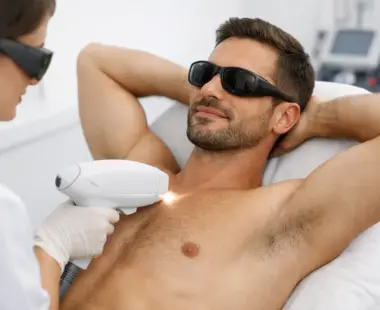
Can Men Get Laser Hair Removal? What to Know
Can men get laser hair removal? Learn how treatment works for the face and body, expected results, and why personalized settings support safe treatment.
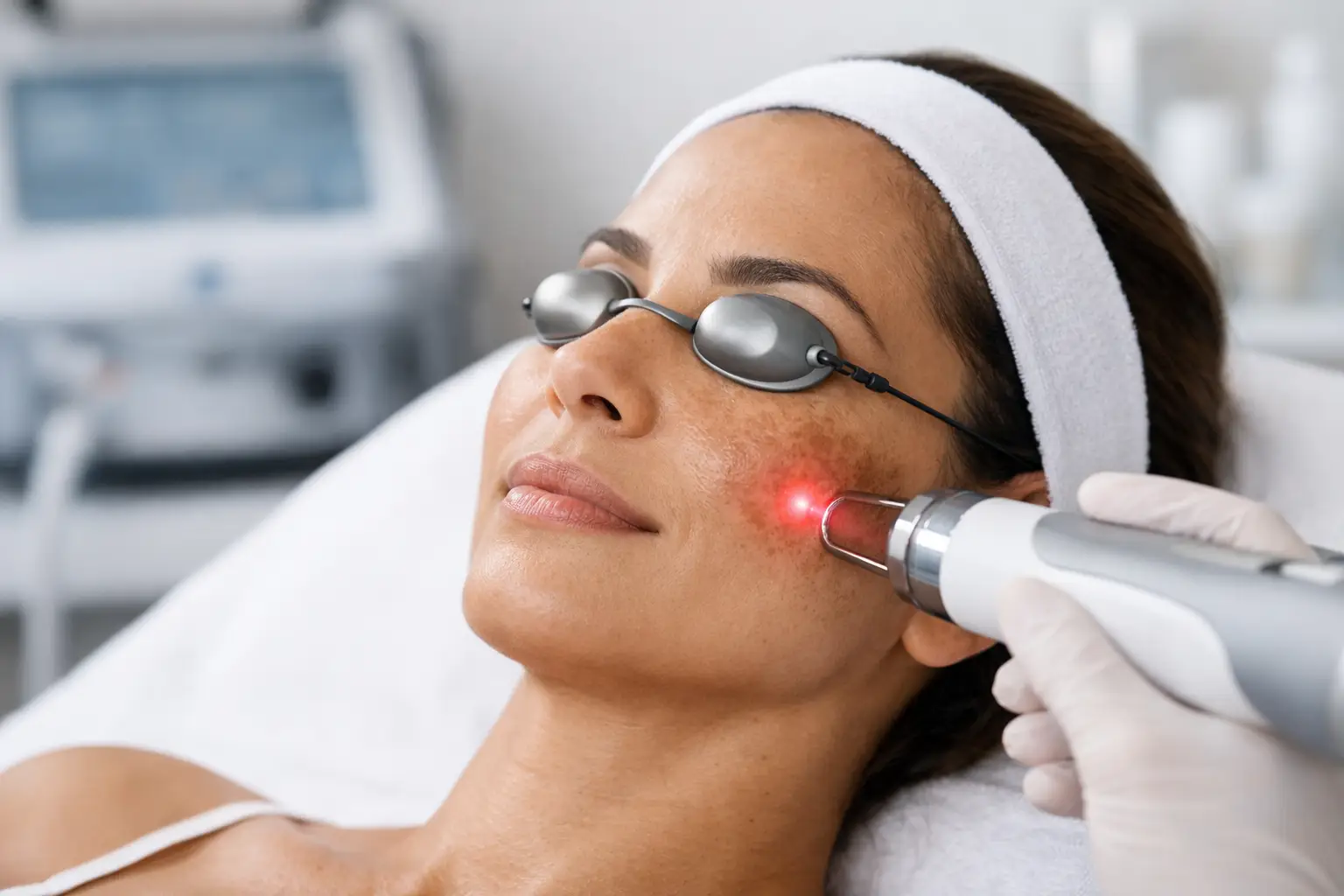
A dark patch across the cheeks can make otherwise healthy skin look uneven, no matter how carefully you apply sunscreen or skincare. A laser facial for pigmentation is designed to target that visible discoloration with focused energy, helping the skin look clearer, brighter, and more even over time. The right treatment is never one-size-fits-all. It should account for the cause of the pigment, your skin tone, your lifestyle, and how much downtime you can comfortably manage.
At Laser Aesthetics, pigmentation treatment is approached as a personalized skin strategy, not a quick fix. Advanced laser technology and carefully selected settings allow treatment to be tailored around your skin while prioritizing safety, comfort, and natural-looking improvement.
Pigmentation is the broad term for areas of skin that contain more melanin than the surrounding tissue. It can show up as freckles, sunspots, age spots, post-acne marks, or larger, more diffuse areas of discoloration. While these concerns may look similar in the mirror, they do not always respond to laser treatment in the same way.
Sun exposure is one of the most common drivers. Years of Arizona sunshine can stimulate melanin production, even for people who are diligent about sunscreen now. Hormonal shifts can also play a role, particularly with melasma, which often appears as symmetrical brown or gray-brown patches on the cheeks, forehead, upper lip, or jawline. Acne, irritation, and injuries can leave post-inflammatory hyperpigmentation after the original issue has healed.
This distinction matters because a laser that works beautifully for isolated sunspots may not be the best first choice for active melasma. Heat and inflammation can aggravate melasma in some patients. A professional evaluation helps identify what you are seeing and whether laser treatment, skincare, a combination approach, or a different timing makes the most sense.
Laser energy is attracted to pigment in the skin. During treatment, the device delivers controlled pulses of light that target excess melanin while helping preserve the surrounding tissue. The pigment absorbs the energy, breaks into smaller particles, and is gradually cleared through the body’s natural processes.
For many clients, treatment also supports a fresher overall complexion. Depending on the laser modality and treatment plan, a laser facial may improve the appearance of sun-related discoloration while supporting smoother texture and a more refined-looking tone.
The technology matters, but precision matters just as much. FDA-approved platforms such as the GentleMax Pro offer practitioners the ability to adjust treatment settings for skin type, pigment depth, and the specific concern being addressed. This is especially valuable for clients with deeper skin tones or a history of post-inflammatory hyperpigmentation, where conservative settings and expert judgment are essential.
Superficial pigment, such as many freckles and sunspots, may respond relatively quickly. These spots often darken temporarily after treatment before flaking or fading over the following days. Deeper discoloration can take more patience and may require a series of treatments.
Melasma requires a particularly thoughtful plan. Because it is influenced by hormones, heat, visible light, and sun exposure, it can return even after it improves. A provider may recommend lower-intensity laser sessions, pigment-balancing skincare, strict sun protection, and ongoing maintenance rather than aggressive treatment. The goal is improvement without triggering further pigment production.
Your appointment should begin with a conversation, not a preset protocol. Your provider will review your pigment concerns, skin history, current skincare products, medications, sun exposure, and any prior cosmetic treatments. They may also ask whether you have experienced dark marks after acne, waxing, irritation, or previous procedures.
Before the laser facial, the skin is cleansed and protective eyewear is placed over the eyes. Depending on the area and device settings, you may feel a quick snapping sensation, often compared with a warm rubber band against the skin. Many laser treatments use integrated cooling to improve comfort and protect the skin’s surface.
Treatment time can be brief for a few individual spots or longer for a full-face session. Afterward, the skin may look mildly flushed and feel warm, similar to a light sunburn. For targeted pigment treatment, dark spots may temporarily appear deeper in color. That response can be expected and does not necessarily mean the pigmentation has worsened.
Downtime depends on the laser used, treatment intensity, and how your skin responds. Some clients return to regular activities immediately with mild redness, while others experience temporary swelling, dryness, or light flaking for several days. Avoid picking or exfoliating treated areas. Let the skin shed naturally.
Visible results are often gradual. A treated sunspot may darken within the first few days, then soften or flake away over one to two weeks. More widespread uneven tone generally improves across a series of treatments. Skin cell turnover takes time, and consistent care between appointments makes a meaningful difference.
A realistic treatment plan may involve multiple sessions spaced several weeks apart. The exact number depends on whether you are treating a few isolated spots, diffuse sun damage, acne-related marks, or more complex melasma. Your provider should explain the expected timeline clearly rather than promising a dramatic change after a single visit.
The results of pigmentation treatment are closely tied to what happens after you leave the treatment room. Freshly treated skin is more vulnerable to irritation and UV exposure, and new sun exposure can stimulate the return of visible discoloration.
Use a broad-spectrum SPF 30 or higher every day, including on errands, patio lunches, and drives across Scottsdale or Phoenix. Reapply when you are outdoors, and add a hat when possible. Heat can be a factor for melasma-prone skin, so it may also be wise to avoid hot yoga, saunas, and intense exercise for the period recommended by your provider.
For the first several days, keep skincare gentle. Use a mild cleanser, moisturizer, and sunscreen. Pause potentially irritating active ingredients, such as retinoids, exfoliating acids, and scrubs, until your provider says it is appropriate to resume them. This is not the time to test a new product or chase faster peeling at home.
Adults concerned about sunspots, freckles, uneven tone, or certain post-acne marks may be good candidates for laser treatment. The best candidates are willing to follow pre- and post-treatment instructions, wear sunscreen consistently, and take a long-term view of skin maintenance.
A consultation is particularly important if you have a darker skin tone, melasma, active acne, a history of cold sores, recent tanning, or a tendency to develop raised scars or dark marks after irritation. Certain medications and skin conditions may affect when treatment can be performed. An experienced provider may recommend a test spot, altered settings, or a different service if laser treatment is not the safest choice at that time.
Pigmentation is one of the areas where device quality and clinical judgment need to work together. Ask how the provider evaluates different types of discoloration, which laser technology they use, and how they adjust treatment for your skin tone and sensitivity. Before-and-after photos can be helpful, but your plan should be based on your skin, not someone else’s result.
The most effective laser facial for pigmentation is one that respects the biology of your skin. With advanced technology, a measured approach, and diligent sun protection, treatment can help shift attention away from uneven tone and back toward the healthy, radiant skin beneath it.

Can men get laser hair removal? Learn how treatment works for the face and body, expected results, and why personalized settings support safe treatment.
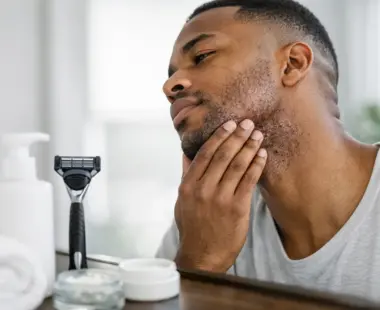
Learn how to treat razor bumps with calm, skin-smart care, when to seek expert help, and lasting prevention options for smoother, clearer-looking skin.

Learn how to choose laser hair removal with the right technology, provider expertise, and treatment plan for your skin tone, goals, and comfort safely.
Monday: 9 AM–7 PM
Tuesday: 9 AM–5 PM
Wednesday: 9 AM–7 PM
Thursday: 9 AM–5 PM
Friday: 9 AM–4 PM
Saturday: 9 AM–4 PM
Sunday: 9 AM–2 PM