
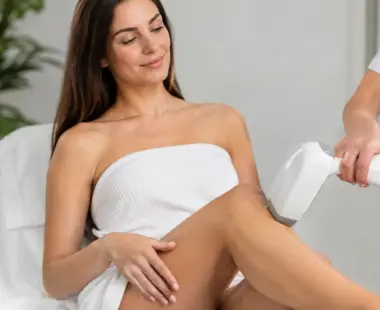
Best Hair Removal Phoenix Options for Smooth Skin
Searching for the best hair removal Phoenix offers? Learn how laser technology, skin-tone expertise, and a personal plan create smoother, lasting results for you.
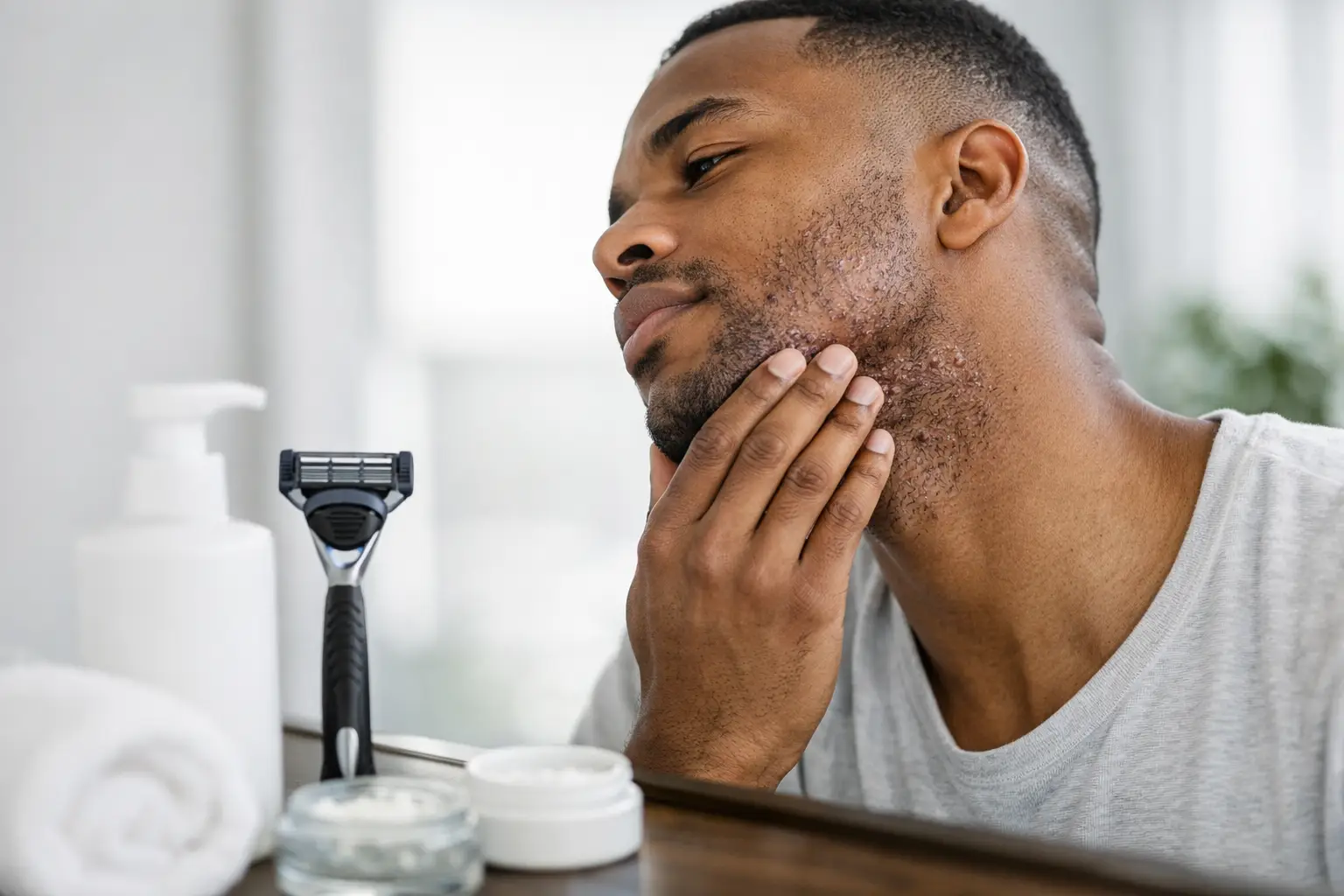
That tender, bumpy patch along the bikini line, jawline, underarms, or neck can make a close shave feel like a bad trade. Knowing how to treat razor bumps starts with recognizing that more shaving, scrubbing, and picking usually make the irritation linger longer. Calm the skin first, then adjust the hair-removal routine that triggered it.
Razor bumps are especially common in areas where hair is coarse, curly, or removed frequently. They can affect anyone, but tightly curled hair is more likely to grow back into the skin after shaving, creating visible bumps, redness, dark marks, and discomfort. With the right approach, most cases improve and future flare-ups become far more manageable.
Razor bumps, medically called pseudofolliculitis barbae, happen when a cut hair curves back into the skin or becomes trapped as it grows. Your body treats that hair like an irritant, leading to inflammation around the follicle. This is why the bumps can look similar to acne but often appear exactly where you shave.
They are not always the same as folliculitis, which involves inflammation or infection of the hair follicle. Razor bumps may itch, sting, or feel tender, while infected follicles can produce pus-filled bumps, spreading redness, warmth, or more significant pain. The distinction matters because a simple ingrown hair routine is not the right answer for every irritated area.
The first move is simple: pause shaving over the affected skin if you can. Giving hair a chance to grow beyond the surface reduces the chance that newly cut hairs will re-enter the skin. Even a few days off can make a visible difference when the area is inflamed.
Use a cool compress for 10 to 15 minutes at a time to relieve heat, redness, and tenderness. Follow with a gentle, fragrance-free moisturizer to support the skin barrier. The goal is not to dry the bumps out aggressively. Overly harsh products can strip the skin, increase inflammation, and leave more noticeable discoloration once the bumps settle.
A chemical exfoliant can help release trapped hairs, but timing and product choice matter. Salicylic acid is oil-soluble and can help clear follicular buildup. Glycolic or lactic acid may support smoother texture and more even-looking skin over time. Start slowly, especially on sensitive zones such as the bikini area or underarms, and do not use acids on broken, raw, or freshly shaved skin.
For more inflamed razor bumps, a short course of over-the-counter hydrocortisone may reduce redness and itching. Use it only as directed on the label and avoid extended use without guidance from a medical professional. If you are prone to post-inflammatory hyperpigmentation, irritation itself can leave lasting dark spots, so gentle care is more valuable than an aggressive at-home routine.
Do not squeeze, dig at, or tweeze deeply embedded hairs. It is tempting, especially when a bump seems close to the surface, but picking can create scarring, infection, and pigmentation changes. If the tip of a hair is clearly visible at the surface, it may be lifted gently with clean hands and a sanitized tool. Do not pull the hair from the root.
Retinoids, scrubs, acids, and benzoyl peroxide can all have a place in a skincare plan, but layering them together on already irritated skin is rarely productive. A physical scrub can create tiny abrasions. Strong acne products may cause dryness and burning. If your skin feels tight, shiny, or sore, focus on soothing care first and reintroduce treatment products gradually.
Once the skin has calmed, your technique makes a meaningful difference. Start with warm water and a gentle cleanser, then apply a lubricating shave gel or cream. Shaving dry, rushing through the process, or using soap alone creates friction and raises the odds of irritation.
Use a clean, sharp razor. A dull blade pulls at hair rather than cutting it cleanly, while a blade with buildup can drag bacteria and product residue over the skin. For people prone to ingrown hairs, fewer blades are often better. Multi-blade razors can cut hair extremely close to the skin, which may increase the risk that a curly hair becomes trapped during regrowth.
Shave in the direction hair grows, using light pressure and short strokes. Avoid stretching the skin taut for an ultra-close finish. It can look smooth in the moment, but the hair may retract beneath the skin surface as soon as you release it. Rinse the blade frequently and limit repeated passes over the same area.
After shaving, pat rather than rub the skin dry. Apply a bland moisturizer and wait before using fragranced body products, deodorant, or tight clothing around the freshly shaved area. Friction, heat, and sweat can all compound irritation.
If razor bumps return every time you shave, the issue may not be a lack of exfoliation or a bad razor. Frequent shaving itself may be the ongoing trigger. Laser hair removal can be a strategic long-term option because it reduces the amount and density of hair that needs to be shaved.
The treatment works by directing laser energy toward pigment in the hair follicle. Over a series of sessions, many clients experience reduced hair growth and less dependence on daily or frequent shaving. Fewer hairs, fewer close shaves, and fewer opportunities for hair to curl back into the skin can mean a significant reduction in recurring razor bumps.
Results depend on your hair color, hair density, skin tone, treatment area, hormones, and treatment consistency. An experienced provider should evaluate these factors and customize settings carefully rather than taking a one-size-fits-all approach. Advanced platforms, including the GentleMax Pro used at Laser Aesthetics, allow providers to select appropriate wavelengths and treatment parameters for a range of skin types and hair concerns.
Laser hair removal should not be performed directly over a severely irritated, infected, or broken-out area without a professional assessment. Once the skin is stable, it may be an excellent choice for clients who regularly deal with bumps on the face, neck, underarms, legs, chest, or bikini line.
Most mild razor bumps improve with a break from shaving and consistent gentle care. However, seek medical guidance if bumps are painful, spreading, filled with pus, repeatedly infected, leaving scars, or failing to improve after a few weeks. A clinician can determine whether you are dealing with folliculitis, cystic acne, contact dermatitis, or another condition that needs a different treatment plan.
Persistent discoloration deserves attention, too. Dark spots after bumps can be frustrating, particularly in sun-exposed areas. Daily sunscreen on exposed skin, a personalized home-care routine, and professionally selected skin treatments may help support a clearer, more even appearance without over-irritating the area.
Smooth skin should not require a cycle of painful shaving and recovery. Give irritated follicles room to settle, choose methods that respect your skin’s sensitivity, and consider professional hair-reduction options when razor bumps have become a recurring concern.

Searching for the best hair removal Phoenix offers? Learn how laser technology, skin-tone expertise, and a personal plan create smoother, lasting results for you.
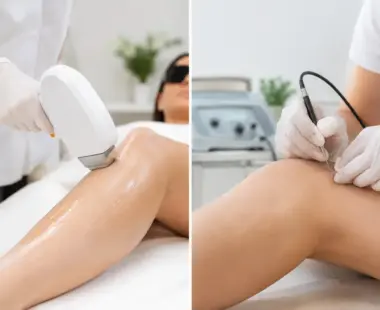
Compare laser hair removal versus electrolysis, including results, comfort, cost, skin tone, and treatment time, to choose the right approach for you.

Learn how to choose body contouring based on your goals, treatment area, timeline, and skin quality, with safe, personalized guidance for results today.
Monday: 9 AM–7 PM
Tuesday: 9 AM–5 PM
Wednesday: 9 AM–7 PM
Thursday: 9 AM–5 PM
Friday: 9 AM–4 PM
Saturday: 9 AM–4 PM
Sunday: 9 AM–2 PM