
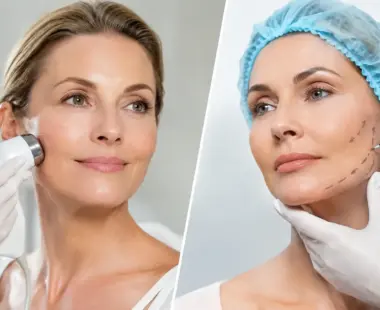
RF Versus Surgical Facelift: Which Fits You?
RF versus surgical facelift: compare lifting power, downtime, longevity, and candidacy to choose a personalized path to firmer, more youthful-looking skin.
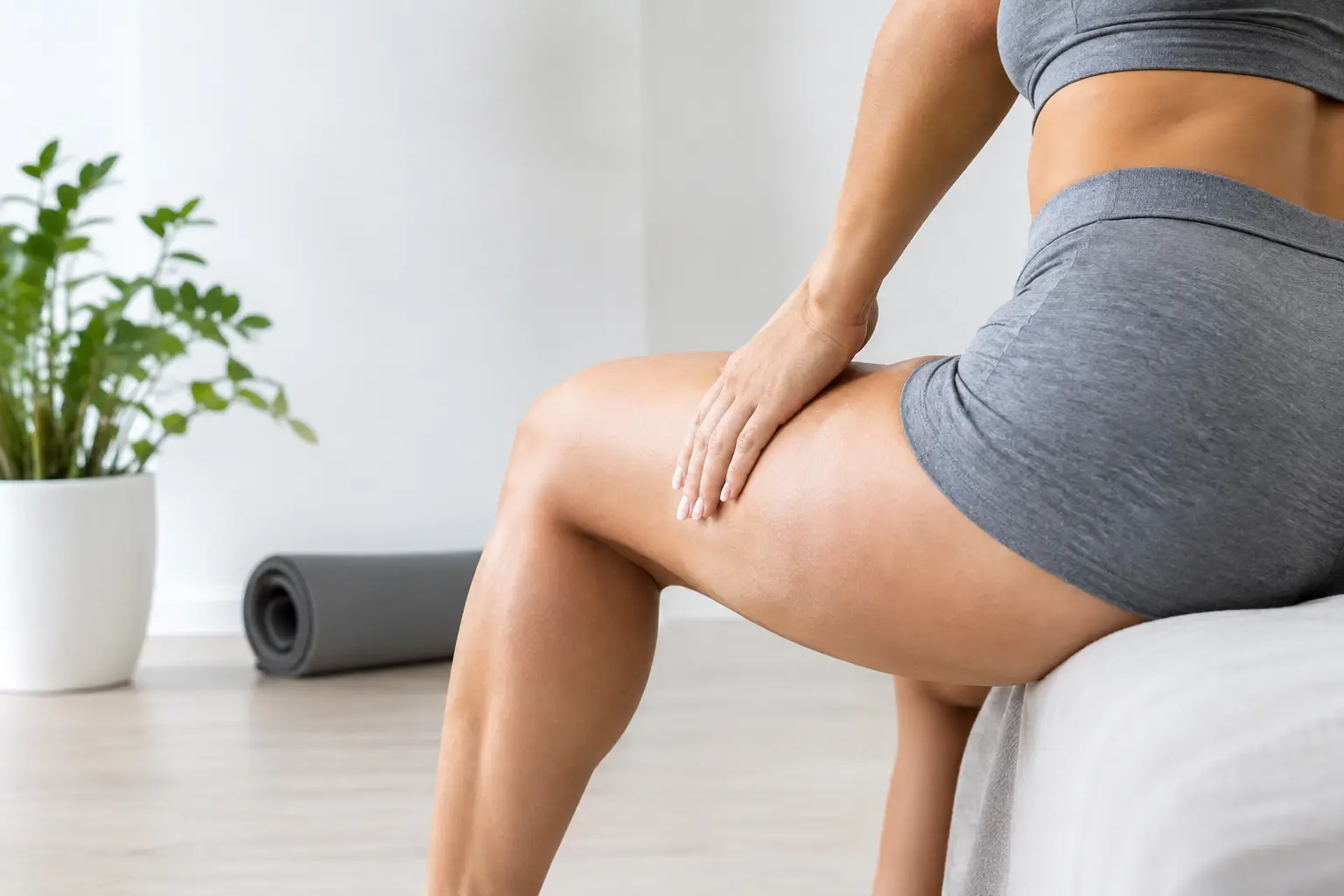
Cellulite can be frustrating precisely because it is so common. Even people who exercise regularly, eat well, and feel confident in their bodies may notice dimpling on the thighs, buttocks, hips, or abdomen. If you are researching how to improve cellulite appearance, the most useful starting point is this: meaningful improvement is possible, but the right approach depends on what is creating the texture beneath your skin.
Cellulite is not a sign that you have done anything wrong. It is a structural concern involving fat beneath the skin, connective bands, skin thickness, and natural changes in collagen. A personalized plan can help create smoother-looking skin and improve overall contour without surgery or extensive downtime.
Cellulite develops when fibrous connective bands pull the skin downward while underlying fat presses upward. That push-and-pull effect creates the uneven, dimpled appearance many people recognize. Genetics play a major role, which is why cellulite can appear at many body sizes and fitness levels.
Hormonal shifts, aging, changes in skin elasticity, and reduced collagen can also make cellulite more visible over time. As skin becomes thinner or less firm, the texture beneath it may show more clearly. Fluid retention can temporarily emphasize the appearance as well, although it is not the root cause of cellulite.
This is why a single solution rarely works for everyone. Someone with mild dimpling and loose skin may benefit from a different strategy than someone with deeper, tethered indentations and localized fullness. A professional assessment helps identify the concern that should be addressed first.
Healthy daily habits will not erase cellulite completely, but they can support skin quality, body composition, circulation, and long-term treatment results. Think of them as the foundation, not a replacement for professional care when you want more noticeable change.
Strength training can be especially helpful for areas affected by cellulite. Building muscle in the glutes and legs may create a firmer underlying shape, which can make the skin surface look smoother. Consistency matters more than extreme workouts, so choose a routine you can maintain.
Nutrition also supports the bigger picture. A balanced eating pattern with adequate protein, fiber-rich foods, hydration, and fewer highly processed foods can help you maintain a stable weight and support healthy skin. Rapid weight fluctuations may make skin laxity and texture changes more noticeable for some people.
Topical products can provide a temporary cosmetic boost, particularly formulas that hydrate the skin or include caffeine. Hydrated skin often reflects light more evenly, so dimpling may look less pronounced for a short time. However, creams do not release the connective bands responsible for deeper cellulite, and they should be viewed as supportive care rather than a permanent correction.
Dry brushing, massage, and foam rolling may temporarily reduce puffiness or improve the look of circulation, but expectations should stay realistic. If an approach promises to completely eliminate cellulite in a few days, it is not offering an evidence-based expectation.
For clients who want visible improvement beyond what lifestyle changes can deliver, non-surgical cellulite reduction treatments can be a strong option. The best treatment plan depends on the depth of dimpling, skin firmness, the size of the treatment area, and your comfort with downtime, cost, and maintenance.
Radiofrequency treatments use controlled energy to warm targeted tissue. This process can support collagen remodeling and improve skin firmness over time, which may soften the appearance of cellulite when laxity is part of the concern. Treatments are typically performed as a series because collagen response develops gradually.
Radiofrequency is often a good fit for clients who want a comfortable, non-surgical option with little to no downtime. Results tend to look natural because the change is progressive. The trade-off is that it may not fully correct deep, sharply tethered dimples on its own.
Some clients have a combination of cellulite, mild skin laxity, and areas of stubborn fullness. In these cases, a body contouring plan may be paired with cellulite-focused treatment to improve the overall silhouette. Reducing localized fullness does not automatically remove cellulite, but it can enhance the visible result when selected carefully.
A qualified provider should explain what each technology is designed to treat. Body contouring is not a weight-loss procedure, and cellulite reduction is not simply fat reduction. Treating the wrong concern can lead to disappointing results, even with advanced technology.
Deep cellulite dimples are often caused by strong connective bands beneath the skin. Treatments designed to target these structural attachments may be considered when the dimpling is pronounced and remains visible regardless of lighting, posture, or body composition.
These options can offer more targeted improvement for the right candidate, but they may involve more recovery than energy-based treatments. Bruising, tenderness, or swelling can occur, depending on the procedure. A consultation should cover the expected recovery process and whether your concerns are better suited to a gradual, no-downtime approach or a more direct intervention.
The most effective cellulite plan is designed around your anatomy, goals, and timeline. During an aesthetic consultation, your provider should assess skin quality, the pattern and depth of dimpling, areas of fullness, and whether loose skin is making the texture more apparent. They should also ask about your health history, medications, and any prior body treatments.
At Laser Aesthetics, this individualized approach allows treatments to be selected and adjusted with precision rather than relying on a one-size-fits-all package. Advanced technology matters, but expert assessment and appropriate settings are equally important for safe, natural-looking results.
Photos can also be valuable during the process. Cellulite can look different based on lighting, body position, hydration, and even the time of day. Consistent before-and-after photos offer a more reliable way to evaluate progress than checking the mirror after every treatment.
A realistic goal is smoother-looking, firmer-looking skin with less visible dimpling, not perfectly texture-free skin. Many clients notice gradual improvement as collagen remodels and the treated area settles. Depending on the modality, initial changes may appear within weeks, while fuller results can take several months.
Maintenance may be part of the plan. Aging and natural changes in collagen continue, so periodic follow-up treatments can help preserve your result. Maintaining a stable weight, staying active, and following your provider’s aftercare guidance can also support the outcome.
Safety should always come before speed. Choose a medical aesthetics provider who performs a thorough consultation, uses proven technology appropriately, and clearly explains benefits, limitations, and possible side effects. Be cautious of aggressive treatment claims, especially if there is no discussion of your skin, tissue quality, or medical history.
Cellulite does not need to define how you feel in your clothes or in your skin. With realistic expectations and a treatment plan designed around your unique concerns, you can pursue smoother, more confident-looking contours on your terms.

RF versus surgical facelift: compare lifting power, downtime, longevity, and candidacy to choose a personalized path to firmer, more youthful-looking skin.

Our cellulite treatment review explains why dimpling forms, which options can improve it, and how personalized care supports smoother-looking skin over time.

Explore stretch mark treatments that support smoother-looking skin, from microneedling and laser resurfacing to a plan tailored to your skin and goals.
Monday: 9 AM–7 PM
Tuesday: 9 AM–5 PM
Wednesday: 9 AM–7 PM
Thursday: 9 AM–5 PM
Friday: 9 AM–4 PM
Saturday: 9 AM–4 PM
Sunday: 9 AM–2 PM