
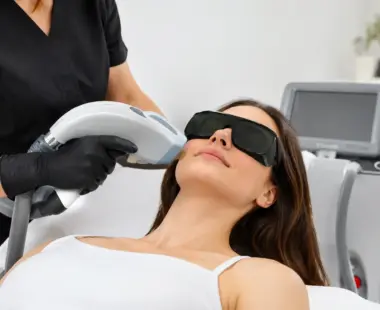
What a GentleMax Pro Experience Really Feels Like
A GentleMax Pro experience combines tailored laser settings, built-in cooling, and expert care for smoother skin with less disruption to your schedule.
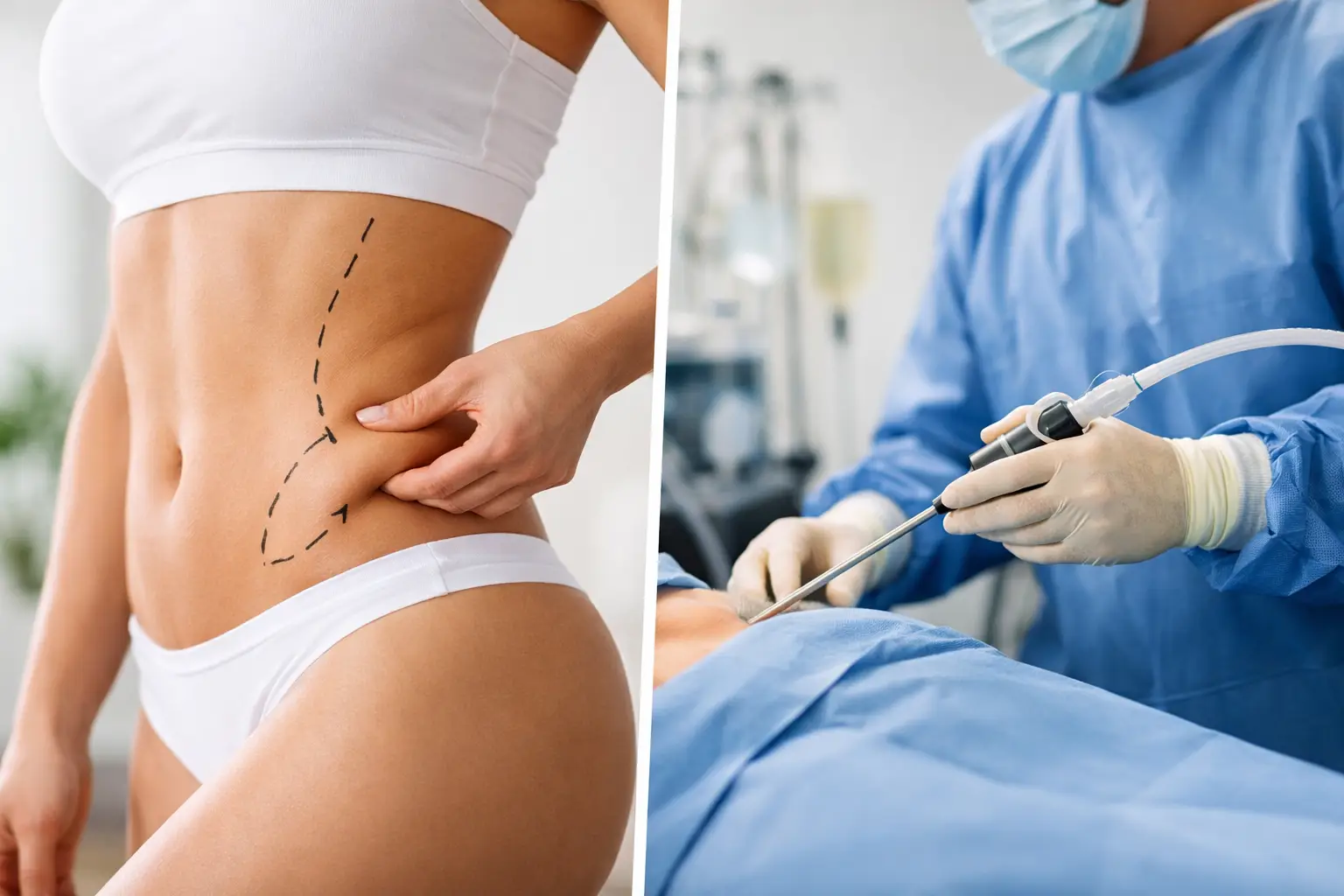
A stubborn lower-abdominal area, softening along the jawline, or pockets of fat at the flanks can feel frustrating when your exercise routine and nutrition are already on track. The question of body contouring vs liposuction is not simply about which treatment removes more fat. It is about choosing an approach that matches your goals, comfort level, timeline, and willingness to undergo surgery.
Both options can create a more refined silhouette, but they work very differently. Liposuction is a surgical procedure designed for more significant fat removal and immediate physical reshaping. Non-surgical body contouring uses advanced energy-based technology to target unwanted fat without incisions, anesthesia, or extended recovery. The right choice depends on what you want to change and how you want to get there.
Liposuction physically removes fat cells through a small cannula inserted beneath the skin. It is performed by a qualified surgeon, typically with local anesthesia, sedation, or general anesthesia depending on the treatment area and extent of the procedure. Because fat is removed directly, liposuction can address larger, more noticeable deposits in one procedure.
Non-surgical body contouring does not remove fat through surgery. Instead, it uses carefully controlled technologies such as radiofrequency, laser energy, ultrasound, cooling, or electromagnetic stimulation to affect fat cells and, in some cases, improve muscle tone or skin firmness. Your body gradually processes the treated fat cells over the following weeks and months.
That distinction shapes nearly every part of the decision. Liposuction is more invasive and more dramatic, while body contouring is designed for people who want targeted improvement with little to no interruption to their routine.
Liposuction usually delivers a more immediate and substantial change in body volume. Once post-procedure swelling resolves, the treatment area can appear distinctly flatter, smoother, or more sculpted. It may be appropriate for someone with a larger amount of pinchable fat who wants a more pronounced reduction than non-surgical treatment can reasonably provide.
However, immediate does not mean instant final results. Swelling, bruising, tenderness, compression garments, and healing are all part of the process. Final liposuction results often take several months to fully settle as the tissue recovers.
Body contouring results develop gradually, which can be an advantage for clients who prefer a subtle, natural-looking transition. Depending on the technology, the area treated, and your individual response, you may see progressive refinement over several weeks. A series of treatments is often recommended to build the best result.
Non-surgical contouring is best viewed as body refinement, not a replacement for major weight loss. It can be highly effective for smaller areas that remain resistant to a healthy lifestyle, such as the abdomen, flanks, thighs, upper arms, back, or under the chin. Results are most satisfying when expectations are realistic and the treatment plan is customized around your anatomy.
A common misconception is that liposuction or body contouring is a weight-loss solution. Neither is designed to replace nutrition, movement, or medically guided weight management when that is the primary need.
Both treatments work best for adults who are near a stable, sustainable weight and want to improve proportion in specific areas. Fat cells can be reduced or removed, but remaining fat cells can still enlarge with future weight gain. Maintaining your results depends on consistent lifestyle habits.
For many Scottsdale and Phoenix-area professionals, recovery is the deciding factor. Liposuction requires downtime. The exact experience varies by procedure and treatment area, but many patients need time away from work, workouts, and social commitments. Bruising and swelling are expected, and strenuous activity is restricted during early healing.
Body contouring is built around convenience. Most non-surgical sessions allow you to return to work, errands, and regular daily activities right away. You may experience temporary warmth, redness, mild soreness, numbness, or sensitivity in the treatment area, but these effects are generally manageable and short-lived.
This does not mean non-surgical treatment is casual or one-size-fits-all. Advanced body contouring should still begin with a thoughtful consultation, a review of your health history, and settings selected for your body, skin, and goals. The absence of surgery does not remove the need for experienced care.
Liposuction is generally a single surgical procedure, although some patients choose future procedures for other areas or additional refinement. It may produce more change at once, but that comes with surgical planning, recovery, and a higher overall financial commitment.
Body contouring often requires a treatment series. The number of sessions depends on the technology used, the amount of visible fat, the quality of the skin, and the degree of change you want. Some clients are pleased after a few sessions, while others benefit from a broader plan that pairs fat reduction with skin tightening or cellulite-focused treatment.
This is where a personalized approach matters. A flatter abdomen may still have loose or crepey skin, for example. Treating fat alone may not create the polished result you have in mind. Combining appropriate modalities can support a smoother, firmer-looking finish without asking one treatment to solve every concern.
Liposuction is a medical surgery with real risks, including infection, anesthesia-related complications, fluid changes, contour irregularities, and prolonged swelling. Choosing a properly credentialed surgeon, following pre- and post-procedure instructions, and being honest about your medical history are essential.
Non-surgical body contouring also has candidacy requirements. Certain devices may not be appropriate for people who are pregnant, have implanted electronic devices, have specific medical conditions, or have particular skin or tissue concerns. A provider should discuss potential side effects, realistic results, and whether the technology is suitable for the area you want to treat.
Skin quality is another major consideration. If skin laxity is significant, liposuction alone can sometimes make looseness more visible after volume is removed. In those cases, a surgical skin-removal procedure or a non-surgical plan focused on gradual tightening may be a better fit. The best recommendation is never based on a photo alone. It comes from an in-person assessment of fat distribution, tissue firmness, and your desired outcome.
It is understandable to compare the cost of body contouring and liposuction, but the lowest initial number rarely tells the whole story. Liposuction costs reflect surgery, anesthesia, facility fees, surgeon expertise, compression garments, and recovery-related expenses. Pricing varies widely based on the areas treated and the complexity of the procedure.
Non-surgical contouring has a lower barrier to entry because treatments can be purchased individually or as a package. Still, the total investment should account for the number of sessions recommended to reach your goal. A reputable provider should explain this clearly rather than promising dramatic change from a single treatment that is unlikely to be enough.
For many clients, the value of non-surgical contouring is not only financial. It is the ability to improve a concern without surgery, scars, anesthesia, or a lengthy pause in everyday life.
Body contouring may be the better choice if you are close to your goal weight, have localized areas of stubborn fat, prefer no incisions, and are comfortable with gradual improvement. It is also an appealing option if your schedule does not allow for surgical recovery.
Liposuction may be worth considering if you want a more substantial reduction in a single area, have enough excess fat to make non-surgical results feel too subtle, and are prepared for the cost, recovery, and responsibilities of surgery.
The most productive consultation is one that starts with your real goal rather than a treatment name. At Laser Aesthetics, a personalized body assessment can clarify whether advanced non-surgical contouring is likely to deliver the level of refinement you want, or whether a surgical conversation would better serve your expectations.
A confident choice begins with an honest one: choose the treatment that fits your body, your timeline, and the result you will be genuinely happy to see in the mirror.

A GentleMax Pro experience combines tailored laser settings, built-in cooling, and expert care for smoother skin with less disruption to your schedule.

A guide to scalp hair restoration explains causes of thinning, treatment options, candidacy, timelines, and how personalized plans support fuller hair.
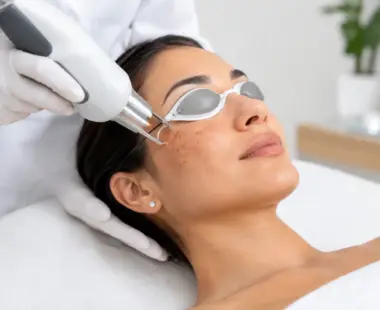
See why the best laser treatments for pigmentation vary for sun spots and melasma, and how skin tone, goals, and downtime shape a safe plan with care.
Monday: 9 AM–7 PM
Tuesday: 9 AM–5 PM
Wednesday: 9 AM–7 PM
Thursday: 9 AM–5 PM
Friday: 9 AM–4 PM
Saturday: 9 AM–4 PM
Sunday: 9 AM–2 PM