

Best Options for Body Sculpting That Work
Compare the best options for body sculpting, from noninvasive fat reduction to muscle toning, and choose a personalized treatment plan with confidence.
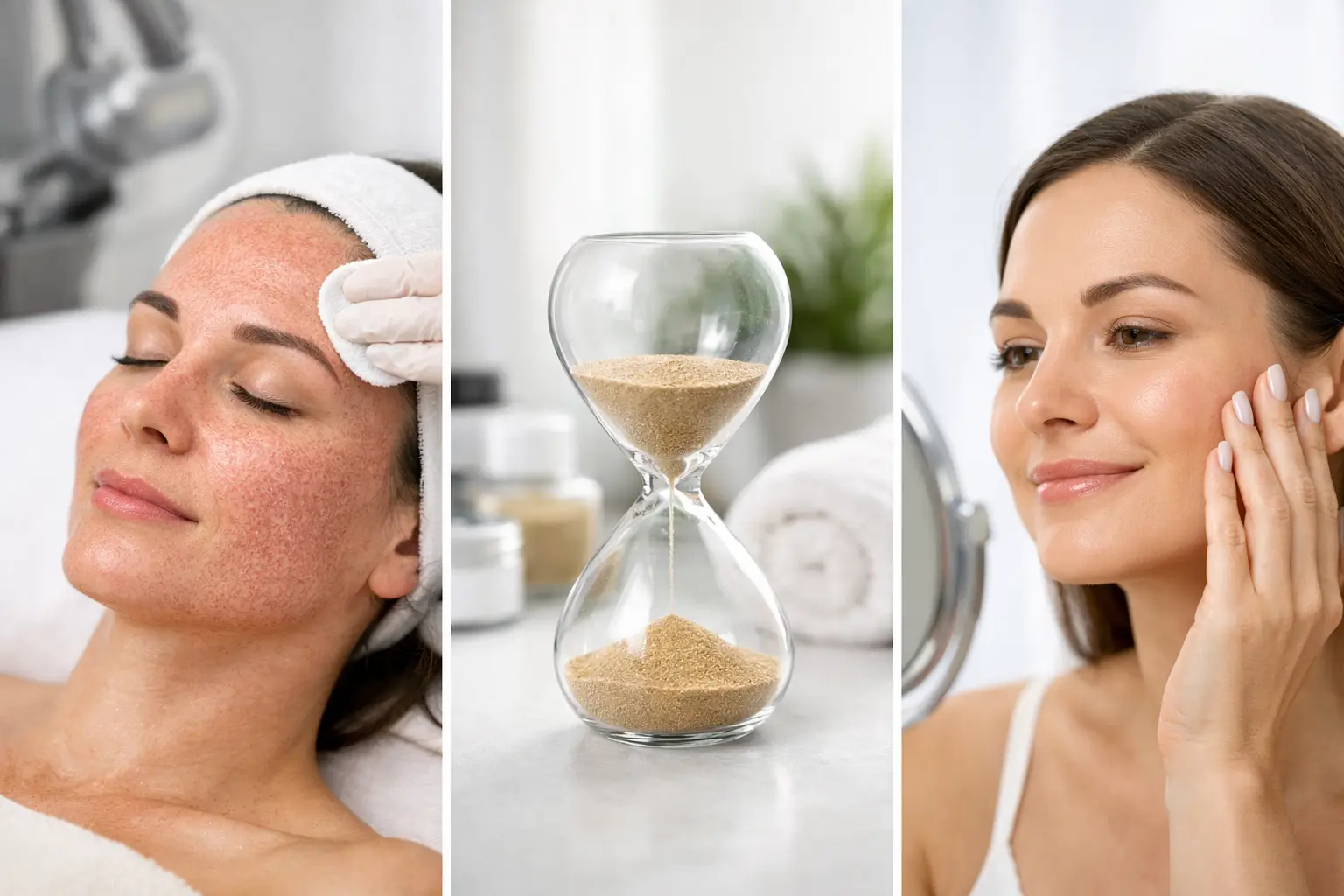
The first question most clients ask after treatment is not whether their skin will improve. It is, “What will I look like tomorrow?” A fractional resurfacing recovery timeline helps you plan around real life, whether that means a Scottsdale work event, a weekend in the sun, or simply wanting to know when makeup will sit smoothly again. With fractional non-ablative resurfacing, recovery is typically manageable, but your exact experience depends on your treatment intensity, skin type, concerns, and aftercare.
Fractional resurfacing works by creating controlled microscopic treatment zones in the skin while leaving surrounding tissue intact. This approach supports the skin’s natural repair process and can improve the appearance of uneven texture, fine lines, enlarged pores, sun damage, and discoloration with less downtime than more aggressive ablative laser treatments. The trade-off is that improvement is progressive. You may need a series of customized treatments for more visible, lasting refinement.
Immediately after a fractional non-ablative treatment, skin often looks pink to red and feels warm, similar to a moderate sunburn. Some clients experience mild swelling, especially around the eyes or upper cheeks. This is a normal short-term response to the controlled energy delivered into the skin.
Your provider may apply soothing skincare and sunscreen before you leave. Keep the rest of the day simple: avoid heat, strenuous workouts, hot showers, saunas, and direct sun exposure. Heat can make redness and swelling more noticeable, particularly in Arizona’s dry, sunny climate.
Most people are comfortable returning home, working remotely, or completing low-key plans the same day. If you have an important in-person commitment, schedule your treatment several days ahead rather than relying on next-day skin recovery.
The first few days are usually the most noticeable part of recovery. Redness may deepen before it fades, and skin can feel dry, tight, sensitive, or slightly rough. Mild swelling is common and often improves within 24 to 48 hours.
This is the time to be disciplined about gentle care. Cleanse with a mild, non-exfoliating cleanser, use the moisturizer recommended by your provider, and apply broad-spectrum sunscreen every morning. Avoid retinoids, exfoliating acids, scrubs, benzoyl peroxide, and other active products until your treatment team confirms your skin is ready.
Makeup timing depends on how your skin looks and feels. Many clients can wear mineral or gentle complexion makeup after the first day, but it is better to give skin more time if there is significant sensitivity, pinpoint swelling, or surface roughness. Clean application tools matter just as much as the formula.
As the skin renews, you may notice a bronzed or speckled appearance. Treated pigmentation can look temporarily darker, and the surface may feel sandpaper-like. This stage can be surprising if you are not expecting it, but it is often part of the normal renewal process.
Some people experience light flaking or tiny dark specks that gradually shed. Do not pick, scrub, or try to speed up the process. Pulling at dry skin can increase irritation and may raise the risk of post-inflammatory discoloration, especially for clients prone to pigmentation changes.
By the end of the first week, much of the visible redness and roughness has often improved. You may see early brightness, smoother makeup application, or a more refreshed appearance. That said, skin is still healing beneath the surface, so maintain a conservative routine and continue protecting it from sun exposure.
For many clients, the social downtime is largely over by the second week. The surface typically feels smoother, lingering pinkness continues to fade, and uneven tone may begin to look more refined. This is often when the treatment becomes easier to appreciate in the mirror rather than simply manage day to day.
Do not mistake a calmer complexion for a reason to return immediately to aggressive skincare. Your provider may reintroduce active ingredients gradually based on your skin response. A personalized plan is especially valuable if you use prescription skincare, have melasma, or have a history of sensitivity.
Fractional resurfacing is designed to support more than a short-term glow. During the weeks after treatment, the skin continues its repair and collagen remodeling process. Fine lines may soften, texture can become more even, and the overall quality of the skin may look firmer and clearer.
This phase is why before-and-after results should not be judged too early. A single treatment can create visible improvement, but concerns such as acne scarring, deeper lines, widespread sun damage, or persistent texture irregularities often respond best to a series. Treatment spacing and settings should be designed entirely around your skin goals, tolerance, and timeline.
No two recovery experiences are identical. Fractional non-ablative resurfacing generally involves less downtime than ablative resurfacing, which removes the outer layer of skin and can require a more intensive healing period. However, even within non-ablative treatments, higher energy settings and multiple treatment passes may produce more redness, swelling, and temporary roughness.
Your baseline skin condition matters as well. Sensitive skin, active inflammation, recent sun exposure, rosacea, and a tendency toward hyperpigmentation can all affect how your skin responds. This does not automatically rule out treatment. It means your provider should assess your skin carefully, select appropriate settings, and prepare you with a thoughtful pre- and post-treatment plan.
Lifestyle plays a role, too. Sun exposure, excessive heat, smoking, poor sleep, and using irritating skincare products can make recovery less predictable. Consistent sunscreen use is one of the most meaningful ways to protect both your healing skin and the results you are investing in.
The best aftercare is not complicated. It is calm, consistent, and protective. For the first several days, cleanse gently, moisturize as directed, and use sunscreen daily. Avoid tanning, prolonged outdoor exposure, hot yoga, intense exercise, swimming pools, and steam rooms until redness and sensitivity have settled.
If your provider recommends cool compresses, use them gently without applying pressure or ice directly to the skin. Keep pillowcases clean, avoid touching your face unnecessarily, and pause facial waxing, chemical peels, dermaplaning, and exfoliating treatments until you are cleared to resume them.
Call your treatment provider if you develop increasing pain, significant blistering, spreading redness, drainage, or swelling that worsens rather than improves. These are not typical signs of routine recovery and deserve timely clinical guidance.
For a conservative estimate, give yourself five to seven days before a major social event and two weeks if you want your skin to appear fully settled in photos. Some clients recover faster, while others hold onto mild redness or a bronzed appearance longer. If you are treating pigmentation, remember that temporary darkening can be part of the process before the skin looks clearer.
At Laser Aesthetics, treatment planning starts with the details that matter: your skin tone, current skincare routine, history of pigmentation, desired downtime, and the results you want to see. Advanced technology matters, but precise settings and experienced care are what make that technology work intelligently for your skin.
A well-planned fractional resurfacing treatment should fit your goals without forcing you to guess your way through recovery. Give your skin the time, protection, and patience it needs, and the gradual change you see can feel far more natural than an overnight fix.

Compare the best options for body sculpting, from noninvasive fat reduction to muscle toning, and choose a personalized treatment plan with confidence.

Compare the best loose neck treatments, from RF tightening and microneedling to resurfacing, with guidance for choosing the right non-surgical plan today.
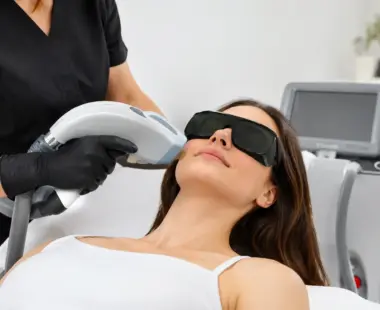
A GentleMax Pro experience combines tailored laser settings, built-in cooling, and expert care for smoother skin with less disruption to your schedule.
Monday: 9 AM–7 PM
Tuesday: 9 AM–5 PM
Wednesday: 9 AM–7 PM
Thursday: 9 AM–5 PM
Friday: 9 AM–4 PM
Saturday: 9 AM–4 PM
Sunday: 9 AM–2 PM