
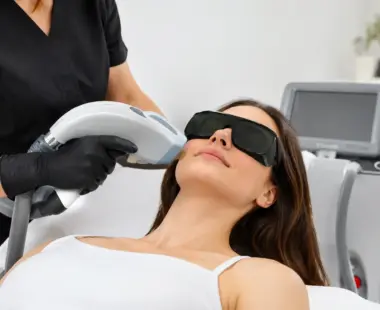
What a GentleMax Pro Experience Really Feels Like
A GentleMax Pro experience combines tailored laser settings, built-in cooling, and expert care for smoother skin with less disruption to your schedule.

A widening part, more hair around the shower drain, or a ponytail that no longer feels as full can change the way you see yourself long before anyone else notices. Hair restoration for women begins with taking that change seriously, without jumping to assumptions or one-size-fits-all solutions. The right approach looks at your pattern of thinning, your health history, your styling habits, and the outcome you want to see in the months ahead.
For many women, hair thinning is not simply a cosmetic concern. It can affect confidence at work, in photos, and in everyday routines. The encouraging news is that early, personalized care can often help support healthier-looking, fuller hair without surgery or extended downtime.
Women often experience thinning as a gradual reduction in overall density rather than a sharply receding hairline. You may first see more scalp along the part, less volume at the crown, or hair that feels finer when you style it. Because the change can be subtle at first, many women spend months trying new shampoos, supplements, or styling products before seeking a professional opinion.
Several factors can contribute to hair loss or reduced density. Genetics play a role, particularly when thinning follows a recognizable pattern over time. Hormonal changes related to pregnancy, postpartum recovery, perimenopause, menopause, thyroid conditions, or polycystic ovary syndrome can also affect the hair-growth cycle. Stress, illness, rapid weight change, nutritional deficiencies, certain medications, traction from tight styles, and chemical or heat damage may add to the picture.
This is why a thoughtful evaluation matters. A treatment that makes sense for hereditary thinning may not be the first choice for sudden shedding after illness or a period of major stress. If hair loss is abrupt, patchy, painful, accompanied by scalp irritation, or paired with other health changes, medical evaluation should come first. Aesthetic hair restoration works best when it is part of a responsible plan, not a substitute for needed medical care.
The goal is not to promise overnight transformation. Hair grows in cycles, and visible improvement takes consistency, patience, and a strategy built around the cause of your concerns. During a consultation, an experienced provider should ask when you noticed the change, whether shedding is ongoing, where density has decreased, and what medical or lifestyle factors may be involved.
Your scalp and hair should also be assessed in person. The same concern can look very different from client to client. Someone with diffuse thinning through the top of the scalp may need a different approach than someone whose edges have weakened from years of tight extensions or someone noticing hormonal thinning around the part.
A personalized plan should set realistic expectations from the beginning. In many cases, the objective is to slow further thinning, improve the appearance of density, encourage healthier hair growth, and preserve the hair you have. The degree of improvement depends on the underlying cause, how long thinning has been present, and whether follicles are still active. Earlier intervention generally offers more options than waiting until areas have been bare for years.
Non-surgical hair restoration can be a strong fit for women who want a medically informed option without incisions, grafts, or a lengthy recovery period. Depending on the provider and your needs, a plan may include in-office regenerative treatments designed to support the scalp environment and stimulate dormant or weakened follicles.
These treatments are typically performed in a series rather than as a single appointment. That schedule reflects the biology of hair growth, not a lack of results. Hair moves through active growth, transition, and resting phases, so meaningful changes are measured over several months. You may first notice reduced shedding, then improved texture or strength, followed by gradual changes in visible density.
Some women may also benefit from physician-guided topical or oral therapies. These can be appropriate for certain types of hair loss, but they are not right for everyone. Pregnancy plans, medical history, hormone sensitivity, medication interactions, and potential side effects should all be considered with a qualified medical professional.
Scalp care and styling adjustments can support your investment as well. Avoiding chronic tension from tight ponytails or extensions, limiting high-heat tools, treating scalp inflammation, and choosing gentle hair practices may help reduce unnecessary breakage. These changes cannot reverse every type of thinning, but they can protect fragile hair and make professional treatment more effective.
The most credible hair restoration experience is honest about timing. It is normal to want fuller hair immediately, especially when thinning has become noticeable. But hair growth is gradual. Most clients need several months before they can fairly evaluate early changes, and a longer maintenance plan may be recommended to protect results.
Results are also not limited to the number of hairs on the scalp. Stronger strands, less visible scalp, improved coverage at the part, and hair that holds style more easily can all make a meaningful difference. Consistent photos taken in the same lighting and with the same part placement are often more useful than trying to judge progress day by day in the mirror.
There are trade-offs to consider. Non-surgical treatments require consistency and maintenance, while surgical hair transplantation may offer another path for certain candidates with stable, established hair loss. Surgery, however, is not always appropriate for diffuse thinning, can involve greater cost and recovery, and does not eliminate the need to manage ongoing loss in surrounding hair. A trusted provider will help you understand which approach aligns with your goals instead of steering every client toward the same service.
Hair restoration is personal, and the treatment setting should feel equally personal. Look for a provider who takes time to understand your concerns, explains the rationale behind recommendations, and communicates clearly about discomfort, aftercare, expected timing, and maintenance.
Technology and technique matter, but customization matters just as much. A premier medical aesthetics practice should use advanced treatment protocols responsibly, prioritize safety, and build a plan around your scalp, your hair pattern, and your lifestyle. You should never feel rushed into a package before you understand what it is designed to address.
At Laser Aesthetics, hair restoration plans are designed around the individual, with a focus on non-surgical care, advanced technology, and natural-looking improvement. For women in Scottsdale, Phoenix, Cave Creek, and Fountain Hills, a consultation offers a private place to discuss thinning hair and explore options with clarity rather than pressure.
It is easy to normalize thinning hair when life is busy. You may change your part, buy a volumizing product, avoid overhead lighting, and tell yourself you will address it later. Yet the sooner you understand what is happening, the more confidently you can make decisions about your care.
A well-designed hair restoration plan is not about chasing a different version of yourself. It is about supporting the hair you have, restoring a sense of fullness where possible, and feeling comfortable with what you see when you look in the mirror. Start with an expert consultation, ask direct questions, and choose care that respects both your goals and your timeline.

A GentleMax Pro experience combines tailored laser settings, built-in cooling, and expert care for smoother skin with less disruption to your schedule.

A guide to scalp hair restoration explains causes of thinning, treatment options, candidacy, timelines, and how personalized plans support fuller hair.

See why the best laser treatments for pigmentation vary for sun spots and melasma, and how skin tone, goals, and downtime shape a safe plan with care.
Monday: 9 AM–7 PM
Tuesday: 9 AM–5 PM
Wednesday: 9 AM–7 PM
Thursday: 9 AM–5 PM
Friday: 9 AM–4 PM
Saturday: 9 AM–4 PM
Sunday: 9 AM–2 PM