
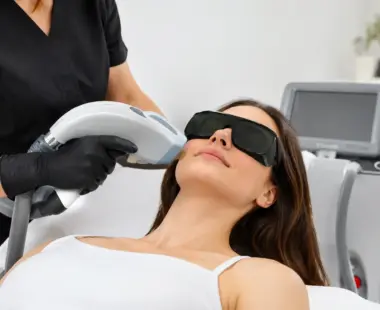
What a GentleMax Pro Experience Really Feels Like
A GentleMax Pro experience combines tailored laser settings, built-in cooling, and expert care for smoother skin with less disruption to your schedule.
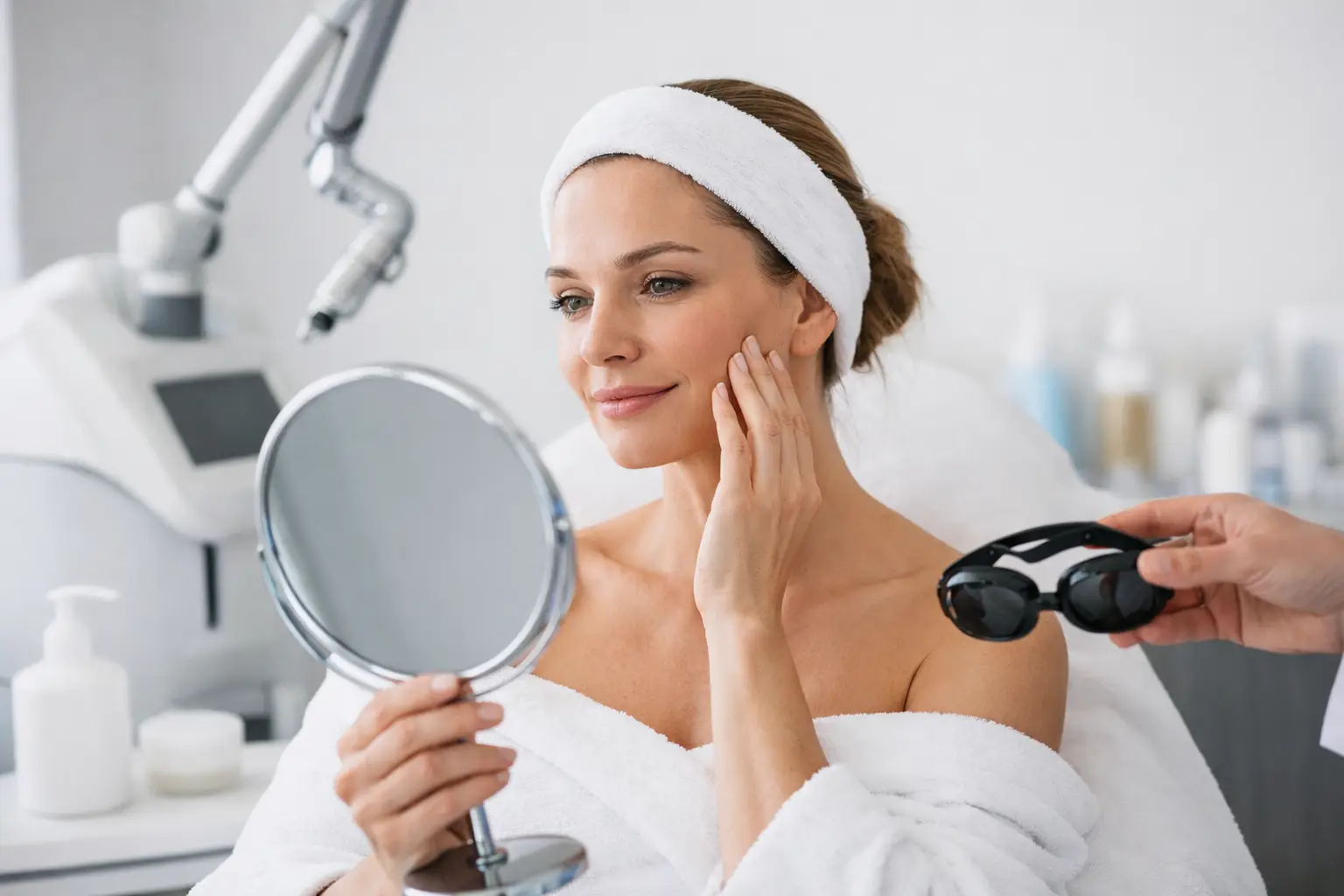
Laser resurfacing can improve the look of uneven texture, fine lines, enlarged pores, sun damage, and discoloration, but your results begin well before your appointment. Knowing how to prepare for laser resurfacing helps your provider treat your skin with the appropriate settings, supports a more comfortable experience, and gives your skin the best conditions for recovery.
Preparation is not about following a generic routine or buying a shelf full of new products. It is about protecting your skin barrier, avoiding factors that increase sensitivity, and giving your aesthetic provider a complete picture of your skin history, medications, and goals.
Laser resurfacing is not one-size-fits-all. Fractional non-ablative resurfacing, for example, works by creating controlled thermal effects below the skin’s surface to encourage collagen renewal with less downtime than more aggressive ablative treatments. The right treatment plan depends on your skin tone, current skin condition, concerns, history of pigmentation, and desired recovery window.
At your consultation, be open about prior cosmetic treatments, including chemical peels, microneedling, injectables, and any previous laser experience. Let your provider know if you have a history of cold sores, melasma, keloid scarring, post-inflammatory hyperpigmentation, eczema, psoriasis, or delayed wound healing. These details do not automatically rule out treatment, but they can change the treatment settings, timing, or preparation plan.
This is also the time to discuss realistic results. Laser resurfacing can create visible improvement in tone and texture, yet collagen remodeling takes time. Some concerns respond best to a series of treatments and a consistent at-home skincare plan rather than a single appointment.
Sun exposure is one of the most common reasons a laser resurfacing appointment needs to be postponed. Tanned, sunburned, or irritated skin has more pigment activity and can be more prone to unwanted discoloration after treatment.
For at least two weeks before your appointment, avoid intentional tanning, tanning beds, and prolonged unprotected outdoor exposure. In Scottsdale and throughout the Phoenix area, this matters year-round. A quick walk, patio lunch, or drive with strong sun exposure can add up faster than many people realize.
Wear a broad-spectrum SPF 30 or higher every morning, and reapply when you are outside for extended periods. A wide-brimmed hat and shade are practical additions, especially if you spend time hiking, golfing, or attending outdoor events. Arrive at treatment with skin that is calm and free of sunburn.
Your skin should be stable before resurfacing, not inflamed from a new active ingredient or an overaggressive exfoliation routine. Your provider will give you specific instructions based on your treatment and skin type, but many clients are asked to pause potentially irritating products several days before treatment.
This may include retinoids, prescription tretinoin, retinol, exfoliating acids, scrubs, benzoyl peroxide, and strong vitamin C formulas. Do not assume every product needs to stop, though. Some clients may be advised to continue a prescribed pigment-control regimen, while others may need to pause it. Follow the plan created for your skin rather than relying on a friend’s routine or social media advice.
Avoid waxing, depilatory creams, dermaplaning, and harsh facial treatments in the treatment area shortly before your visit unless your provider specifically approves them. If you are prone to irritation, keep your routine simple: gentle cleanser, moisturizer, and sunscreen.
The week before laser resurfacing is not the time to test a new serum, facial oil, or exfoliating mask. Even quality products can trigger redness, breakouts, or sensitivity when they are unfamiliar to your skin. Consistency is more valuable than experimentation leading up to a laser appointment.
Some medications and supplements can affect photosensitivity, bruising, healing, or inflammation. Tell your provider about all prescription medications, over-the-counter medications, vitamins, herbal supplements, and topical treatments you use. This includes acne medications, blood thinners, anti-inflammatory medications, and anything prescribed by a dermatologist or primary care provider.
Never stop a prescribed medication without guidance from the clinician who prescribed it. Your laser provider may recommend a temporary adjustment, request medical clearance, or determine that a different treatment timing is safer. If you are pregnant, breastfeeding, have an active infection, or are experiencing a skin flare in the treatment area, mention it before your appointment.
If you have a history of cold sores, ask about preventive antiviral medication. Laser treatments around the mouth can potentially trigger an outbreak in people who are susceptible, and prevention may be part of your preparation plan.
One of the most useful ways to prepare for laser resurfacing is to give yourself enough breathing room afterward. Non-ablative treatments usually involve less downtime than ablative resurfacing, but redness, warmth, mild swelling, dryness, and a sandpaper-like texture are still possible. The degree and duration vary by device settings, treatment area, and individual skin response.
Avoid scheduling your appointment immediately before a wedding, major presentation, photoshoot, vacation, or important social event. If you want to look polished for an occasion, schedule treatment far enough in advance to allow for your provider’s recommended healing timeline and any follow-up treatments.
Consider choosing a day when you can keep the rest of your schedule light. You may prefer to skip the gym, hot yoga, sauna, steam room, and strenuous outdoor activity right after treatment, as heat and sweat can worsen redness and discomfort. Planning ahead removes the pressure to rush your recovery.
On the day of treatment, arrive with clean skin and no makeup, self-tanner, heavy moisturizer, or active skincare products in the area being treated unless you were told otherwise. If you wear contacts and are having treatment near the eyes, ask in advance whether you should bring glasses.
Choose comfortable clothing, particularly if areas beyond the face will be treated. For facial resurfacing, you may also want a hat and sunglasses for the ride home. Your skin can feel warm and look flushed afterward, so minimizing direct sun exposure on the way out is a smart precaution.
You do not need to overprepare with complicated home remedies. Hydrate normally, eat a balanced meal, and follow any instructions regarding topical numbing or pre-treatment skincare. If numbing cream is part of your treatment, your provider will explain when and how it should be applied.
Having the right basics at home makes it easier to follow through on aftercare when your skin is feeling sensitive. Your provider may recommend specific products, but a simple recovery setup often includes a gentle cleanser, fragrance-free moisturizer, broad-spectrum sunscreen, clean pillowcases, and a cool compress if approved.
Resist the urge to pick, scrub, or exfoliate flaking skin after treatment. Peeling and roughness are part of the renewal process for many clients, and mechanical exfoliation can raise the risk of irritation or uneven pigment. Let your skin shed naturally while following the aftercare instructions provided.
For the first several days, prioritize barrier support over aggressive correction. Your usual retinoid or acid serum can wait until your provider confirms it is appropriate to restart. The goal is healthy, supported healing, not faster peeling.
A quality consultation should leave you clear on the treatment itself and the plan around it. Ask which laser technology is being used, why it is appropriate for your skin, what sensations to expect, and what type of visible recovery is typical. You should also understand when to restart active skincare, when you can exercise and wear makeup, and what signs would warrant a call to the office.
Ask whether a series is recommended and how treatment will be spaced. Skin texture and collagen-based concerns often improve progressively, so your long-term plan may matter more than any single session. At Laser Aesthetics, treatment settings and recommendations are designed around your skin, your goals, and the level of downtime that works for your life.
The best preparation is simple: protect your skin, share your full health and skincare history, and leave room in your calendar to recover without pressure. When your skin is treated thoughtfully before and after resurfacing, you can focus less on guesswork and more on the renewed, healthy-looking complexion you came in for.

A GentleMax Pro experience combines tailored laser settings, built-in cooling, and expert care for smoother skin with less disruption to your schedule.

A guide to scalp hair restoration explains causes of thinning, treatment options, candidacy, timelines, and how personalized plans support fuller hair.
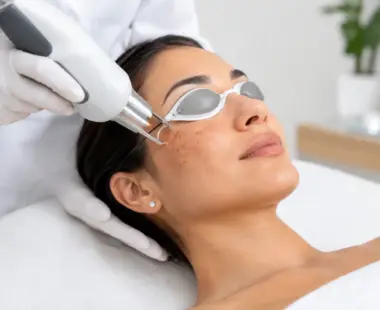
See why the best laser treatments for pigmentation vary for sun spots and melasma, and how skin tone, goals, and downtime shape a safe plan with care.
Monday: 9 AM–7 PM
Tuesday: 9 AM–5 PM
Wednesday: 9 AM–7 PM
Thursday: 9 AM–5 PM
Friday: 9 AM–4 PM
Saturday: 9 AM–4 PM
Sunday: 9 AM–2 PM