

Best Hair Removal Phoenix Options for Smooth Skin
Searching for the best hair removal Phoenix offers? Learn how laser technology, skin-tone expertise, and a personal plan create smoother, lasting results for you.
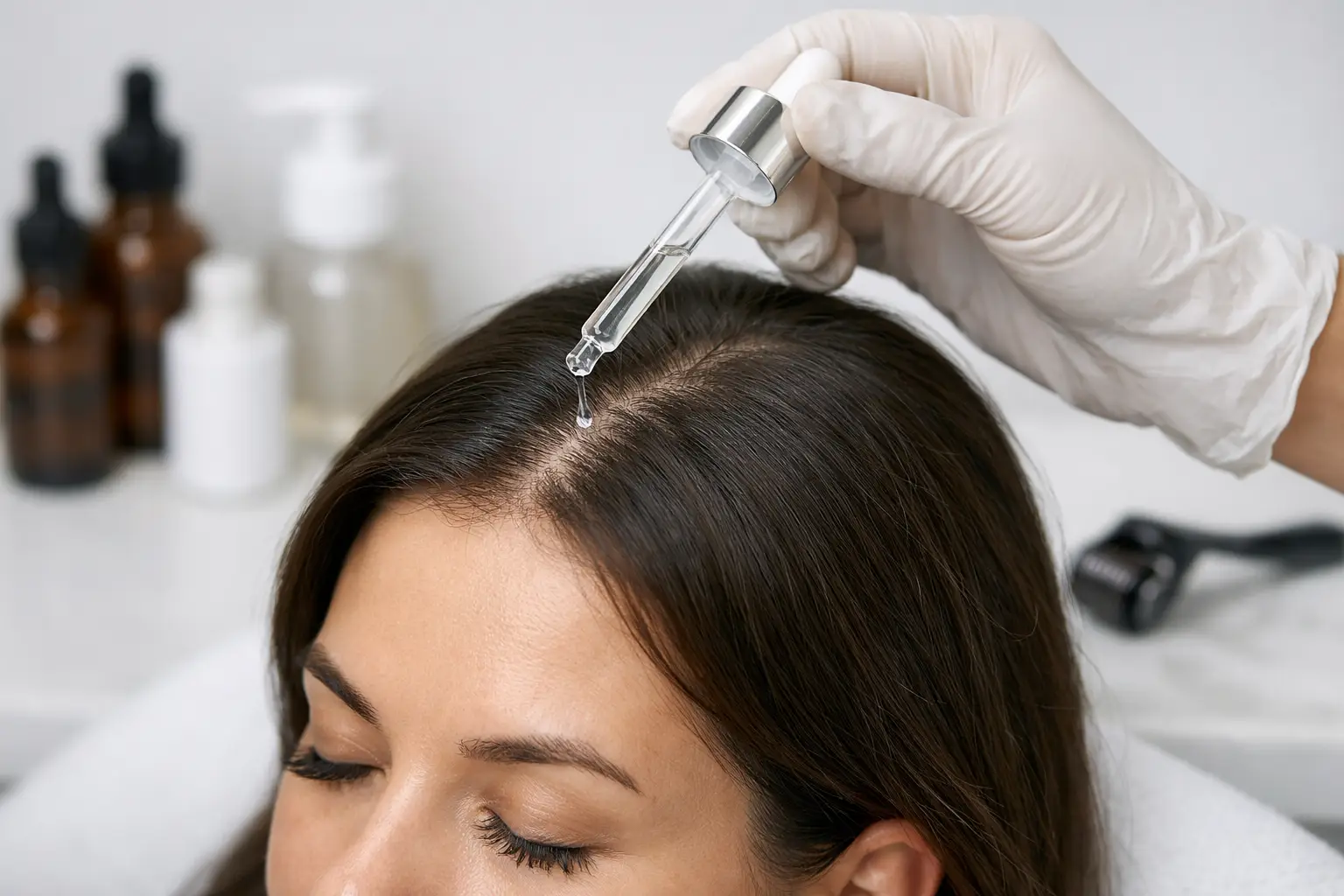
Hair thinning rarely begins with a dramatic change. More often, it shows up in a wider part, a less defined hairline, extra strands in the shower, or styling that no longer creates the fullness it once did. The right scalp treatments for hair thinning can help create healthier conditions for hair growth, but results depend on identifying what is driving the change in the first place.
A personalized approach matters because thinning hair is not one concern with one solution. Genetics, hormonal shifts, stress, nutritional deficiencies, scalp inflammation, medications, and certain medical conditions can all affect the hair growth cycle. Treating the scalp thoughtfully can be an effective part of a larger hair restoration plan, especially when care begins early.
Every hair follicle is rooted in the scalp. When that environment is affected by excess oil, buildup, inflammation, irritation, or poor circulation, follicles may not function at their best. A healthy scalp does not guarantee thick hair, particularly when genetic hair loss is involved, but it gives existing follicles a better environment to remain active.
Hair also grows in cycles. The active growth phase can last years, while shedding and resting phases are normal parts of the process. Stress, illness, hormone changes, and inflammation can push more follicles into a shedding phase at once. This is why sudden shedding can look alarming even when the underlying trigger is temporary.
The first goal is not to use the most aggressive treatment available. It is to understand whether the concern is increased shedding, gradual miniaturization of individual hairs, breakage, a scalp condition, or a combination of factors. That distinction guides the most effective next step.
A professional consultation is the starting point for meaningful hair restoration. Your provider can review the pattern and timeline of your thinning, your medical history, current medications, recent stressors, and scalp condition. If there are signs of a medical cause, such as sudden patchy loss, scaling, pain, or significant shedding, a referral to a physician or dermatologist may be appropriate before aesthetic treatment begins.
For clients with gradual thinning, a customized plan may pair in-office treatments with at-home support. The most effective protocol is rarely identical from one person to the next. A woman experiencing postpartum shedding, for example, may need a different strategy than a man with a receding hairline caused by androgenetic alopecia.
Product residue, oil, dead skin cells, and flakes can build up around follicle openings. Professional cleansing and exfoliation can help remove that buildup and improve scalp comfort. This may be particularly useful for people who use dry shampoo frequently, rely on styling products, or experience oily, flaky skin.
This type of care is supportive rather than a standalone cure for genetic thinning. It can improve the scalp environment, but it will not replace treatments designed to address hormonal or hereditary follicle miniaturization. Over-exfoliating at home can also create irritation, so stronger scalp products should be selected carefully.
Regenerative hair restoration treatments are designed to support follicle activity by using biologically active components delivered into the scalp. Platelet-rich plasma, often called PRP, is one option that uses a concentrated portion of your own blood. It has been studied as a treatment for certain forms of hair thinning and may help improve hair density and shaft thickness for appropriate candidates.
PRP is not a one-visit solution. A series of treatments is commonly recommended, followed by maintenance sessions based on your response and goals. It tends to be most valuable when follicles are still present but producing finer, weaker hair. Areas that have been smooth and bare for years are less likely to respond because the follicles may no longer be viable.
Microneedling may also be incorporated into a professional treatment plan. Controlled microchannels can stimulate a wound-healing response and may improve the delivery of certain topical therapies. Proper technique, sterile protocols, and carefully selected settings are essential. At-home microneedling devices can cause infection, irritation, or scarring when used incorrectly, particularly on an inflamed scalp.
Low-level light therapy uses specific wavelengths of light to support cellular activity in the follicle. FDA-cleared devices are available in formats such as caps, helmets, and combs. For some people with pattern hair loss, consistent use may help reduce shedding and improve the appearance of density over time.
The trade-off is commitment. Light therapy is gradual, and it requires regular use for months before changes can be evaluated. It can be a convenient complement to an in-office plan, but it is not the best fit for someone looking for an immediate cosmetic transformation.
For certain types of thinning, a medical provider may recommend topical minoxidil or other prescription options. Minoxidil is not simply a cosmetic scalp serum. It is a medication with specific use instructions and potential side effects, including temporary increased shedding early in treatment for some users.
A qualified provider can help determine whether it belongs in your plan, especially if you are pregnant, breastfeeding, managing cardiovascular concerns, or taking other medications. The key is consistency. Stopping an effective treatment often means losing the progress it helped maintain.
Hair restoration requires patience because hair grows slowly. Most people need several months before they can fairly assess whether a treatment is reducing shedding, improving texture, or creating more visible fullness. Photos taken in consistent lighting and with the same part placement are often more useful than checking your hair in the mirror every day.
The best outcomes usually look natural rather than dramatic overnight. You may notice less shedding first, followed by stronger-looking strands and improved coverage in areas where follicles remain active. Results vary according to the cause and severity of thinning, your overall health, and how consistently you follow your treatment plan.
Be cautious of any scalp treatment that promises to regrow a full head of hair quickly. Quality care should set realistic expectations, explain the benefits and limitations of each option, and make room to adjust the plan as your scalp and hair respond.
Some signs call for medical evaluation before beginning cosmetic or regenerative scalp treatments. These include rapid hair loss, circular bald patches, scalp pain or burning, sores, marked redness, heavy scaling, or thinning paired with fatigue, unexplained weight changes, or menstrual changes. These symptoms can point to conditions that need medical diagnosis and targeted treatment.
Even gradual thinning deserves attention when it is affecting your confidence. The earlier you address it, the more opportunity there may be to support vulnerable follicles before thinning becomes more advanced.
At Laser Aesthetics, hair restoration is approached with the same precision used across advanced aesthetic care: thoughtful consultation, individualized planning, and treatments selected around your goals. A comfortable, well-supported scalp and a plan designed for your specific pattern of thinning can make a meaningful difference in how your hair looks and how you feel about it.
If your part is widening, your ponytail feels smaller, or your hairline is beginning to change, do not wait for the concern to become overwhelming. A professional evaluation can help you move forward with clear expectations, appropriate treatment options, and confidence in every next step.

Searching for the best hair removal Phoenix offers? Learn how laser technology, skin-tone expertise, and a personal plan create smoother, lasting results for you.
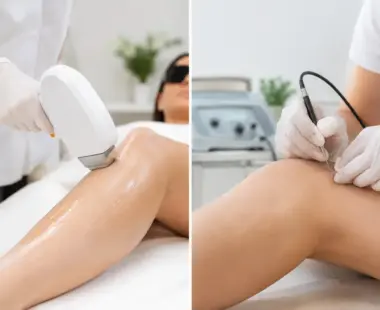
Compare laser hair removal versus electrolysis, including results, comfort, cost, skin tone, and treatment time, to choose the right approach for you.

Learn how to choose body contouring based on your goals, treatment area, timeline, and skin quality, with safe, personalized guidance for results today.
Monday: 9 AM–7 PM
Tuesday: 9 AM–5 PM
Wednesday: 9 AM–7 PM
Thursday: 9 AM–5 PM
Friday: 9 AM–4 PM
Saturday: 9 AM–4 PM
Sunday: 9 AM–2 PM