

Laser Hair Removal Packages Review: Real Value
Read a laser hair removal packages review that explains session counts, technology, costs, safety, and how to choose a plan designed for lasting smoothness.
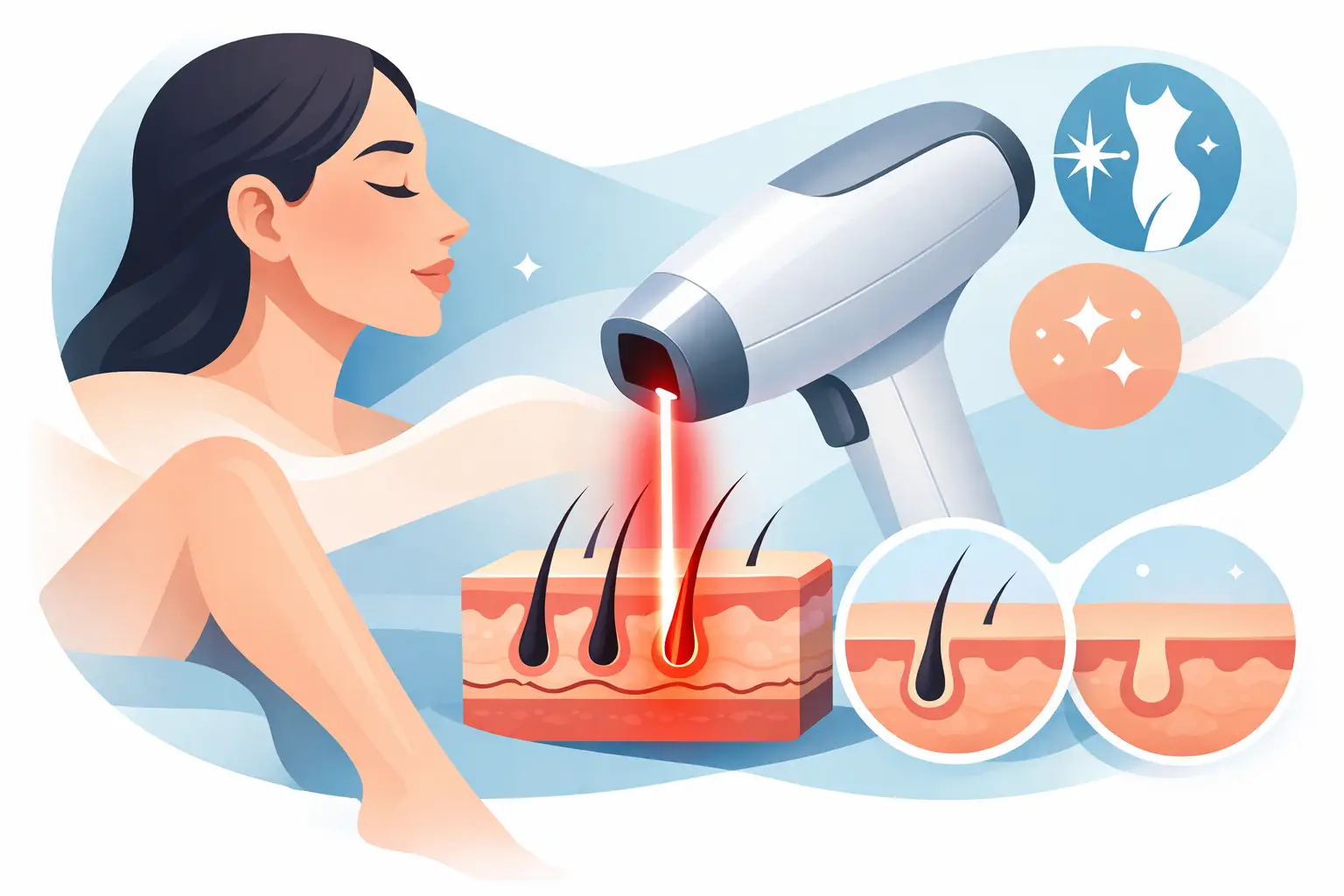
Smooth skin sounds simple until you are shaving every other day, dealing with ingrown hairs, or planning appointments around waxing. That is usually when people start asking, what is laser hair removal and how does it work? The short answer is that laser hair removal uses concentrated light energy to target the pigment in hair follicles, helping reduce future growth with far more precision than razors or wax ever can.
The better answer is a little more interesting, because results depend on the device, the settings, your skin tone, your hair type, and the experience of the provider. When treatment is customized correctly, laser hair removal can be one of the most efficient ways to reduce unwanted hair on the face and body while improving comfort and convenience over time.
Laser hair removal is a non-surgical treatment that uses pulses of light to target hair at the root. The laser is attracted to melanin, the pigment in the hair shaft. That light energy travels down the hair and converts to heat, which damages the follicle enough to slow or interrupt future growth.
The goal is not to remove every hair forever after one visit. Hair grows in cycles, and the laser is most effective when hair is in the active growth phase. Because only a percentage of hairs are in that phase at any given time, a series of treatments is needed to treat the area thoroughly.
This is why laser hair removal is best described as long-term hair reduction rather than a one-time permanent fix. Many clients see a major decrease in density, thickness, and speed of regrowth. The hair that does return often comes back finer and lighter.
A well-designed laser system is built around selective photothermolysis, which is the scientific principle behind the treatment. In plain language, that means the laser is calibrated to focus heat on a specific target, in this case pigment within the hair, while limiting unnecessary heat in the surrounding skin.
That selectivity is what makes modern laser hair removal so effective. Advanced systems can be adjusted based on skin tone, hair thickness, and treatment area. This matters because a setting that works beautifully for coarse underarm hair may not be right for finer facial hair or darker skin types.
Technology also plays a major role in comfort and safety. FDA-approved platforms such as the GentleMax Pro are known for combining power with precision, along with integrated cooling that helps protect the skin and make treatment more tolerable.
Most people want to know one thing before anything else: does it hurt?
The honest answer is that it depends on the area being treated, your pain tolerance, and the device being used. Many clients describe the sensation as a quick snap against the skin, often compared to a rubber band. Areas with coarser hair, like the bikini line or underarms, can feel more intense than places like the arms or lower legs.
The good news is that sessions are usually fast, and advanced cooling systems make a noticeable difference. Smaller areas such as the upper lip may take only minutes, while larger areas like full legs or the back take longer but are still very manageable.
After treatment, the skin may look slightly pink or feel warm for a few hours. That response is common and usually temporary.
Laser hair removal works best when there is contrast between the pigment in the hair and the surrounding skin, but modern technology has made treatment more inclusive than many people realize. With the right platform and experienced treatment planning, a wider range of skin tones can be treated safely.
Hair color matters too. Dark brown and black hair typically respond best because they contain more pigment for the laser to target. Blonde, gray, red, and white hairs are more difficult to treat because they contain less melanin. In those cases, results may be limited, and a consultation should be very straightforward about that.
Hormones also influence outcomes. Clients with conditions that trigger ongoing hair growth, or those treating areas affected by hormonal changes, may still get strong improvement but often need more sessions and occasional maintenance.
This is where expectations matter. Most clients need a series of treatments spaced several weeks apart. A common starting point is six to eight sessions, though some people need more depending on the area, hair density, hormones, and how their body responds.
Facial areas may be scheduled more frequently because of faster growth cycles. Body areas are often treated at longer intervals. Your provider should adjust the timing based on biology, not a one-size-fits-all calendar.
Maintenance is also normal. Even after a successful series, occasional touch-ups help manage any follicles that recover or activate later. That does not mean the treatment failed. It means hair growth is influenced by time, hormones, and individual variation.
A good result is not just less hair. It is also less daily maintenance, fewer ingrown hairs, less irritation from shaving, and smoother skin texture in treated areas.
Most people notice that hair starts shedding within one to three weeks after treatment. Regrowth usually appears patchier and lighter after each session. The change tends to build gradually, which is why consistency matters.
It is also worth saying that laser hair removal is not instant gratification. If you want a major reduction before a trip, wedding, or summer season, it is smart to start well in advance. The best cosmetic outcomes usually come from a treatment plan with enough time for multiple sessions.
Laser hair removal can be used on many parts of the body, including the underarms, legs, bikini area, back, chest, arms, chin, upper lip, and neck. Some of the most satisfied clients are those treating areas where shaving causes constant irritation or where hair grows back quickly and visibly.
Underarms and bikini lines are often popular because the hair is usually coarse and dark, which makes it highly responsive. Men frequently choose the back, chest, or neck to reduce bulk and cut down on razor bumps. Facial areas can respond well too, although they sometimes require more maintenance because hormones can continue to stimulate growth.
Preparation affects both safety and results. The area should be shaved before treatment so the laser can focus on the follicle below the skin rather than singeing long hair above the surface. Waxing, tweezing, or threading should be avoided before sessions because those methods remove the follicle the laser needs to target.
Sun exposure is another big factor. Recently tanned skin can increase the risk of irritation or pigment changes, so providers usually recommend avoiding direct sun and using consistent sun protection before and after treatment.
A quality consultation should also cover medications, active skin conditions, recent procedures, and any history of pigmentation issues. This is part of safe customization, not paperwork for the sake of paperwork.
The question is not only what is laser hair removal and how does it work, but also how well it is being performed. The same treatment can produce very different results depending on the technology and the person operating it.
An experienced provider will assess skin tone, hair texture, medical history, treatment goals, and the specific area being treated before choosing settings. They will also explain what is realistic for your hair type instead of overpromising. That level of precision matters in aesthetics, especially with energy-based treatments.
At a medical spa that prioritizes advanced technology and individualized care, the process should feel both clinically informed and genuinely comfortable. That balance is a big reason many clients choose providers like Laser Aesthetics when they want visible results without guesswork.
For many people, yes, especially if you are tired of the cycle of shaving, waxing, stubble, and skin irritation. The upfront investment is higher than buying razors, but the long-term value often becomes clear when you factor in time saved, smoother skin, and less ongoing maintenance.
Still, the right answer depends on your goals. If your hair is very light, if you want a single-session miracle, or if you are not willing to follow a treatment schedule, laser hair removal may not match your expectations. If you want a more strategic, technology-driven solution for unwanted hair, it can be an excellent fit.
The best place to start is with a personalized consultation that treats your skin, hair, and goals as unique, because the most impressive results are never generic.

Read a laser hair removal packages review that explains session counts, technology, costs, safety, and how to choose a plan designed for lasting smoothness.

Compare the best options for body sculpting, from noninvasive fat reduction to muscle toning, and choose a personalized treatment plan with confidence.

Compare the best loose neck treatments, from RF tightening and microneedling to resurfacing, with guidance for choosing the right non-surgical plan today.
Monday: 9 AM–7 PM
Tuesday: 9 AM–5 PM
Wednesday: 9 AM–7 PM
Thursday: 9 AM–5 PM
Friday: 9 AM–4 PM
Saturday: 9 AM–4 PM
Sunday: 9 AM–2 PM