
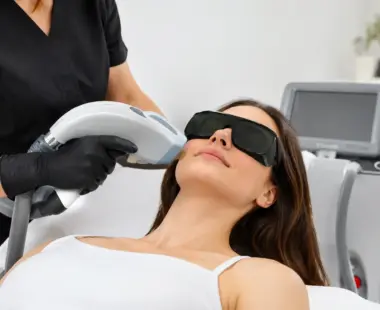
What a GentleMax Pro Experience Really Feels Like
A GentleMax Pro experience combines tailored laser settings, built-in cooling, and expert care for smoother skin with less disruption to your schedule.
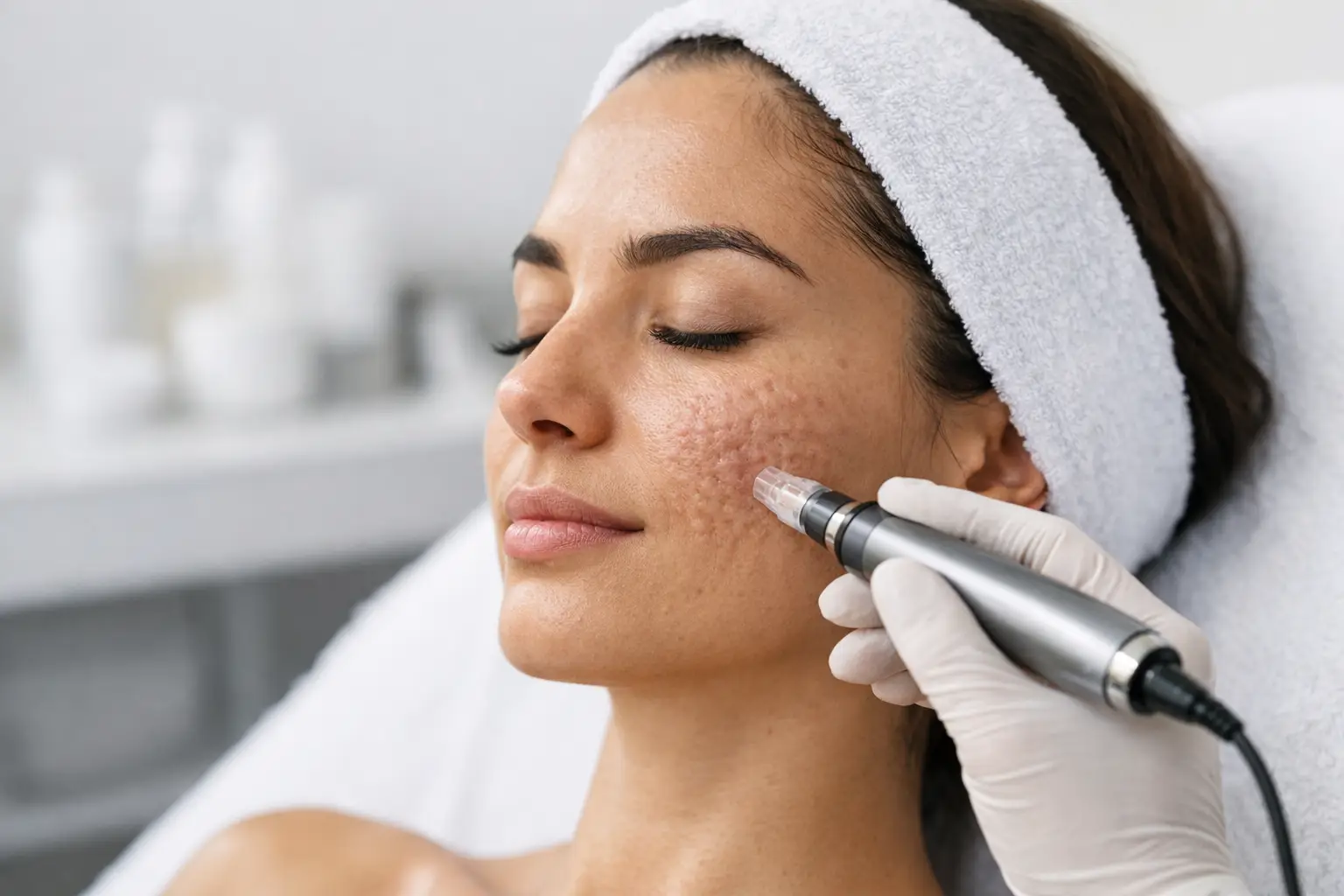
Acne scars tend to linger long after breakouts are under control. For many people, the frustration is not active acne anymore – it is the uneven texture, shallow depressions, and visible reminders that makeup and skincare cannot fully smooth out. That is where microneedling for acne scars often becomes a strong next step, especially for patients who want meaningful skin improvement without the downtime of more aggressive resurfacing.
Microneedling has earned its place in modern aesthetics because it works with the skin rather than against it. By creating controlled micro-injuries in the treatment area, it prompts the skin to repair itself and build new collagen. That process can gradually soften certain types of acne scarring, improve overall texture, and leave skin looking smoother, firmer, and more refined.
Acne scars form when inflammation disrupts normal healing. In some cases, the skin loses collagen during the breakout process, which creates indented scars such as rolling scars, boxcar scars, and smaller atrophic scars. Microneedling targets that structural issue by stimulating collagen and elastin production beneath the surface.
The treatment uses a specialized device with fine needles that create tiny channels in the skin. Those controlled micro-injuries trigger a healing response. Over the following weeks, the skin begins producing new supportive tissue, which can help lift depressed areas and improve uneven texture.
This is one reason microneedling remains such a popular option in medical spas and aesthetic practices. It is a collagen-focused treatment, not a temporary cosmetic fix. Results develop over time as the skin remodels itself.
Microneedling is typically most effective for atrophic acne scars, which are scars that sit below the surface of the skin. Rolling scars often respond well because they are caused by fibrous bands and collagen loss. Boxcar scars may improve too, particularly when they are not extremely deep. More superficial textural irregularities also tend to show visible improvement.
Ice pick scars are a little different. Because they are narrow and deep, they often need a more tailored approach or combination treatment plan. In those cases, microneedling may still play a role, but it may not be the only treatment recommended.
Raised scars are another category where treatment selection matters. If a scar is hypertrophic or keloid in nature, microneedling may not be appropriate. This is why a professional skin assessment matters so much. The best treatment plan depends on scar type, depth, skin tone, and the overall condition of your skin.
Microneedling can produce real improvement, but expectations should stay grounded in how scar revision actually works. Acne scars usually do not disappear completely after one appointment. What most patients see is progressive softening of texture, smoother skin, and less visible indentation after a series of treatments.
For some, the improvement is subtle after the first session and more noticeable after the second or third. For others, especially those with moderate scarring, a broader series may be recommended. Skin quality also tends to improve beyond the scars themselves. Pores can appear more refined, the skin may look fresher, and the overall tone can look more even.
That gradual change is often what patients appreciate most. The skin does not look suddenly altered. It looks healthier, smoother, and more confident over time.
Collagen remodeling is a process, not a one-day event. A single treatment can stimulate repair, but acne scarring usually requires repeated sessions for more visible structural change. Many patients benefit from a treatment series spaced several weeks apart, allowing the skin time to heal and rebuild between visits.
The exact number depends on the depth of the scars, your baseline skin quality, and how aggressively your provider can safely treat your skin. Someone with mild textural acne scarring may need fewer sessions than someone with long-standing, deeper atrophic scars.
This is also where customization matters. A thoughtful treatment plan should account for your skin goals, your schedule, your tolerance for downtime, and whether combination care may produce better results.
Microneedling sits in a very useful middle ground. It is more corrective than basic facials or topical products, but generally involves less downtime than more aggressive ablative resurfacing. For patients who want visible results without stepping too far into harsher recovery territory, that balance is appealing.
Compared with lasers, microneedling can be an excellent option for many skin tones when performed properly. Some laser treatments require more caution with pigment-prone skin, while microneedling is often chosen because it can improve texture with a favorable safety profile in a wider range of patients.
That said, it is not always an either-or decision. Some patients do best with a combination approach. Fractional non-ablative resurfacing, RF-based treatments, or targeted scar techniques may be better suited for specific scar patterns. The right recommendation should be based on what your skin needs, not a one-size-fits-all package.
Most patients describe microneedling as very tolerable, especially when numbing is used beforehand. During treatment, you may feel vibration, pressure, or a light scratching sensation across the skin. Areas with thinner skin can feel more sensitive, but discomfort is usually manageable.
Afterward, the skin often looks pink to red, similar to a mild to moderate sunburn. Some tightness, warmth, and slight swelling are common in the first day or two. Depending on treatment depth, there may also be a rough or sandpaper-like texture as the skin begins to recover.
One reason patients like microneedling is that recovery is relatively straightforward. Most return to normal routines quickly, though careful aftercare is essential.
The quality of the treatment matters, but so does what happens after you leave. Freshly treated skin is more vulnerable, which means post-procedure care should be taken seriously. Sun protection is especially important, as UV exposure can interfere with healing and increase the risk of unwanted pigmentation.
Your provider may recommend pausing active skincare ingredients for a short period, including retinoids, exfoliating acids, or other potentially irritating products. Gentle cleansing, hydration, and barrier support typically become the priority while the skin recovers.
This is another reason medical oversight matters. Good aftercare instructions should be clear, individualized, and designed around both your skin sensitivity and your daily routine.
For patients concerned about post-inflammatory hyperpigmentation, treatment planning is critical. Microneedling can be a strong option for many skin tones, but settings, depth, frequency, and aftercare all need to be chosen with precision.
A provider should evaluate current acne activity, recent sun exposure, your history of pigmentation, and whether your skin barrier is healthy enough for treatment. If active breakouts are widespread or inflamed, the timing may need to be adjusted. Treating scar tissue works best when the skin is in a stable place.
At a practice that prioritizes advanced technology and individualized care, this evaluation is not just a formality. It is part of protecting your skin and making sure treatment is aligned with realistic, safe progress.
The best candidates are usually patients with mild to moderate atrophic acne scarring who want gradual but meaningful skin improvement with limited downtime. It is also well suited to people who are committed to a treatment plan rather than hoping for a dramatic overnight fix.
You may be a strong candidate if your acne is mostly controlled, your skin is not currently irritated or compromised, and you are willing to follow pre- and post-treatment instructions carefully. If your scars are deeper or more complex, microneedling may still help, but your provider may recommend combining it with other advanced treatments for better correction.
For many adults in Scottsdale and the greater Phoenix area, that balance of efficacy and convenience is what makes the treatment so attractive. It fits into real life while still moving the skin in a noticeably better direction.
Microneedling works best when it is treated as part of a bigger skin strategy, not a standalone trend. The device matters. The provider matters. Your skin history matters. A thorough consultation should look at the pattern of your scarring, your skin tone, your tolerance for downtime, and whether other technologies could improve your outcome.
That is the standard patients should expect from a modern medical aesthetics provider. At Laser Aesthetics, treatment planning is built around visible results, safety, and a more personalized experience from start to finish.
Acne scars can be stubborn, but they are not untouchable. When collagen is stimulated with the right technique, and when your plan is designed around your skin rather than a generic protocol, smoother texture and stronger confidence become much more realistic.

A GentleMax Pro experience combines tailored laser settings, built-in cooling, and expert care for smoother skin with less disruption to your schedule.

A guide to scalp hair restoration explains causes of thinning, treatment options, candidacy, timelines, and how personalized plans support fuller hair.
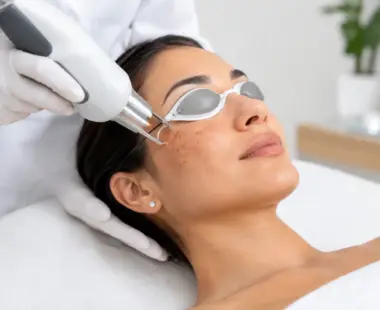
See why the best laser treatments for pigmentation vary for sun spots and melasma, and how skin tone, goals, and downtime shape a safe plan with care.
Monday: 9 AM–7 PM
Tuesday: 9 AM–5 PM
Wednesday: 9 AM–7 PM
Thursday: 9 AM–5 PM
Friday: 9 AM–4 PM
Saturday: 9 AM–4 PM
Sunday: 9 AM–2 PM