
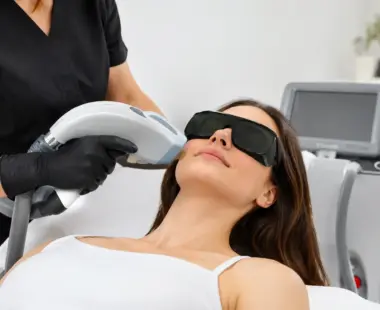
What a GentleMax Pro Experience Really Feels Like
A GentleMax Pro experience combines tailored laser settings, built-in cooling, and expert care for smoother skin with less disruption to your schedule.
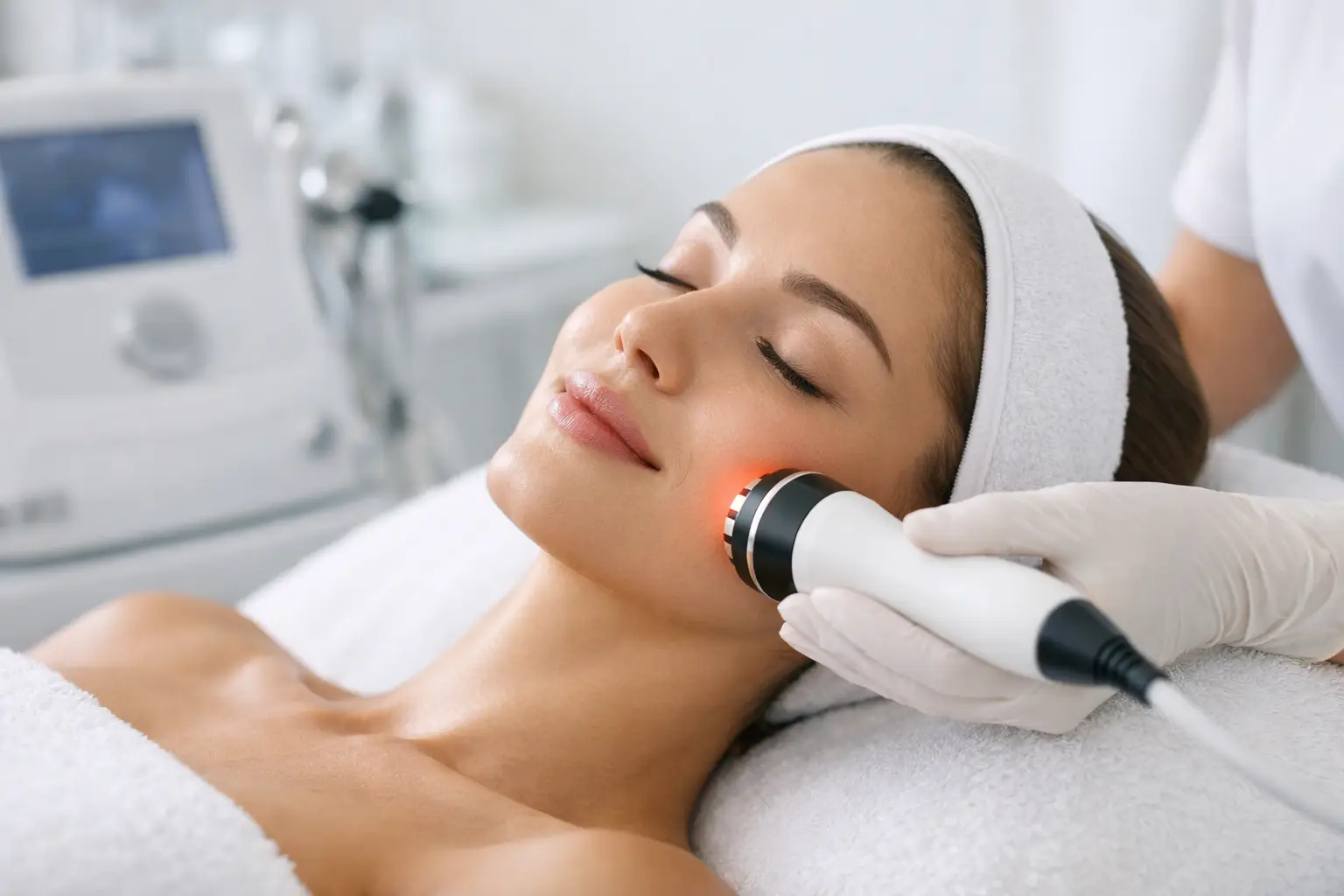
Loose skin rarely shows up all at once. It tends to appear in the mirror in smaller ways first – a softer jawline, creasing around the mouth, skin that looks a little less firm than it did a year ago. That is why rf skin tightening benefits appeal to so many people. The treatment addresses early to moderate laxity without surgery, long recovery, or the abrupt change that can come with more invasive procedures.
Radiofrequency skin tightening uses controlled energy to heat the deeper layers of the skin while protecting the surface. That heat stimulates collagen remodeling and encourages new collagen production over time. The goal is not to make you look different. The goal is to help your skin behave younger – firmer, smoother, and more resilient.
RF skin tightening is designed to treat skin laxity by delivering heat into the dermis, where collagen fibers live. Collagen is one of the main structural proteins that gives skin support. As collagen declines with age, weight changes, sun exposure, and genetics, skin starts to thin and loosen.
By raising tissue temperature in a controlled way, radiofrequency encourages an internal repair response. Existing collagen contracts, and the skin begins building more collagen and elastin over the following weeks and months. That is why results often look progressive rather than instant. You may notice some early improvement, but the more meaningful change tends to develop gradually.
This matters for clients who want visible refinement without looking overdone. The best treatments preserve your natural features while improving definition and skin quality.
The strongest benefit is firmer-looking skin. For many people, that shows up first in the lower face, neck, or areas where the skin has started to feel a bit crepey. The treatment can improve the appearance of mild jowling, soft jawline definition, and laxity under the chin. On the body, it is often used to support smoother-looking skin in areas like the abdomen, arms, or thighs.
Another major advantage is texture. When collagen support improves, skin can look smoother and more refined. Fine lines may soften, and the surface can appear less tired or thin. This is one reason RF is often appealing to clients who are not ready for aggressive resurfacing but still want a meaningful upgrade in skin quality.
There is also the benefit of little to no downtime. Most people can return to normal activities quickly, which makes RF attractive for busy professionals and anyone who wants treatment to fit real life. You are not stepping away from work or social plans for an extended recovery period.
RF can also be a useful maintenance treatment. Not every client needs surgery, and not every concern calls for a dramatic intervention. In many cases, consistent collagen-focused treatments help slow the visible progression of laxity and keep skin looking stronger over time.
The face and neck are common treatment areas because they show early signs of aging quickly. Mild looseness around the cheeks, jawline, and under the chin often responds well when there is still enough skin elasticity left to stimulate. Around the eyes, careful treatment may help improve crepey texture, depending on the device and the provider’s approach.
On the body, RF can be helpful where skin looks less taut after weight fluctuations, pregnancy, or natural aging. That said, body skin is thicker and often needs a different plan than facial skin. Results can be very good, but expectations should be tailored to the treatment area and the degree of laxity.
The best outcomes usually happen when the concern is moderate, not severe. RF can tighten and refine, but it does not remove excess skin. That distinction matters.
A good candidate is usually someone with mild to moderate skin laxity who wants improvement without surgery. Many clients are in their 30s to 60s, but age matters less than the condition of the skin. Someone younger with early laxity can be an excellent fit, while someone older with healthy skin quality may also respond well.
Skin tone is another important consideration. One advantage of many RF-based treatments is that they can be appropriate for a range of skin tones because they do not target pigment in the same way some laser treatments do. Even so, device selection, treatment depth, and provider expertise still matter for safety.
The strongest candidates tend to have realistic expectations. RF can improve firmness, texture, and definition, but it is not the same as a facelift. If the concern is significant sagging or heavy excess tissue, a non-surgical treatment may deliver some improvement without fully matching the result the patient has in mind.
One reason clients appreciate RF is that the change is usually gradual. You are not walking out looking dramatically altered. Instead, your skin improves in a way that often looks natural to everyone else but noticeably better to you.
Some people see early tightness after treatment because of tissue contraction and mild swelling. The more durable result comes later as collagen remodeling continues. Depending on the treatment plan, visible improvement may build over two to six months.
That slower timeline can actually be a benefit. It gives your skin time to respond naturally and allows your provider to evaluate how you are progressing. In aesthetic medicine, subtle, well-planned improvement tends to age better than rushed correction.
It depends on the device, the treatment area, and how much laxity you are trying to improve. Some RF technologies are designed for a series, while others may be performed less frequently with stronger settings. A personalized plan matters more than a standard number.
Clients with early laxity may be happy after a short series and periodic maintenance. Others benefit from combining RF with treatments like microneedling, skin resurfacing, or body contouring to address texture, pigmentation, or volume at the same time. Skin aging is rarely caused by one factor, so the most effective plan often treats more than one issue.
RF has real advantages, but it is not the right answer for every concern. If you want dramatic tightening in a single session, you may be disappointed. The treatment is more about stimulation and remodeling than instant transformation.
Comfort also varies. Many modern devices are designed to improve the patient experience, but heating the deeper skin can still feel intense in some areas. A well-trained provider will explain what the treatment feels like, how settings are selected, and what can be done to keep you comfortable.
Cost is another consideration. Because RF often works best as a series or maintenance plan, the value should be judged by the quality of the technology, the customization of the treatment, and the consistency of the results – not just by the lowest price. In a med spa setting, expertise matters as much as the device itself.
Radiofrequency is not just about applying heat. Effective treatment depends on the right candidate, the right device, and settings adjusted to the skin’s thickness, tone, and level of laxity. Too conservative, and results may be limited. Too aggressive, and safety or comfort may suffer.
That is why a thoughtful consultation matters. A strong provider will assess whether RF is the best fit, where it should be used, and whether another approach would serve you better. In a market like Scottsdale, where aesthetic options are everywhere, that level of personalization is often what separates a polished result from a disappointing one.
At Laser Aesthetics, this kind of treatment planning is built around advanced technology, visible outcomes, and care designed entirely around you. That combination matters when your goal is not just tighter skin, but confidence in how you are being treated.
The strongest results come from matching the treatment to the right moment. RF is especially valuable when skin is starting to loosen, texture is changing, and you want to intervene before laxity becomes more advanced. It can also be an excellent way to maintain results and support long-term skin quality without the downtime of surgery.
If you are considering treatment, focus less on hype and more on fit. The right RF plan should make sense for your skin, your goals, and your timeline. When that alignment is there, tighter, smoother, healthier-looking skin tends to feel less like a trend and more like a smart investment in yourself.

A GentleMax Pro experience combines tailored laser settings, built-in cooling, and expert care for smoother skin with less disruption to your schedule.

A guide to scalp hair restoration explains causes of thinning, treatment options, candidacy, timelines, and how personalized plans support fuller hair.
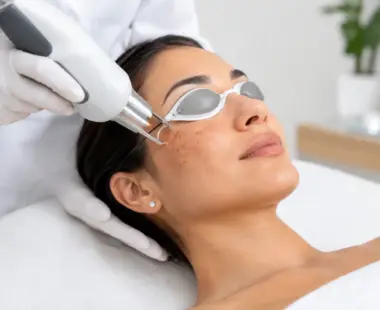
See why the best laser treatments for pigmentation vary for sun spots and melasma, and how skin tone, goals, and downtime shape a safe plan with care.
Monday: 9 AM–7 PM
Tuesday: 9 AM–5 PM
Wednesday: 9 AM–7 PM
Thursday: 9 AM–5 PM
Friday: 9 AM–4 PM
Saturday: 9 AM–4 PM
Sunday: 9 AM–2 PM