

Best Hair Removal Phoenix Options for Smooth Skin
Searching for the best hair removal Phoenix offers? Learn how laser technology, skin-tone expertise, and a personal plan create smoother, lasting results for you.
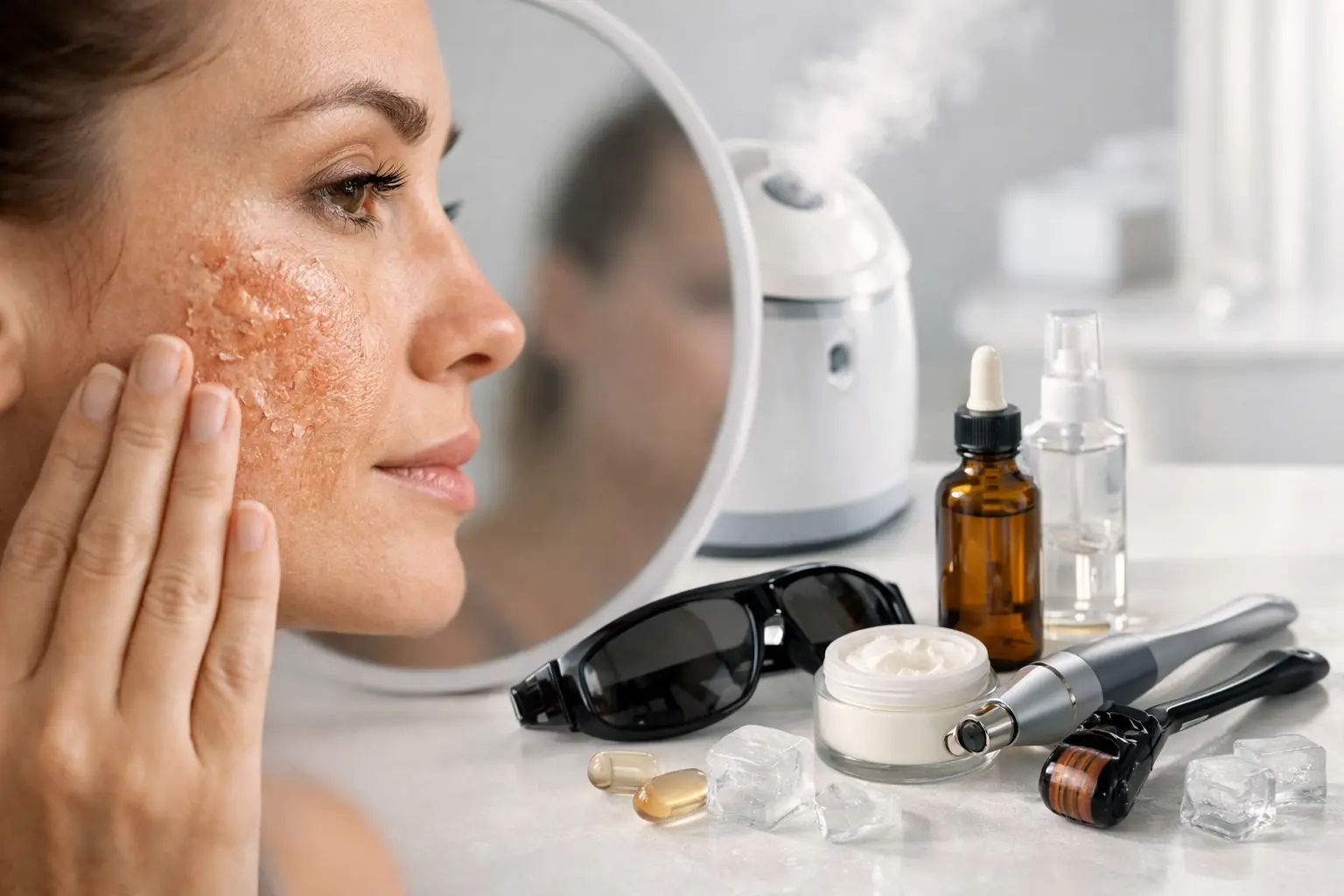
If your skin suddenly looks dull, blotchy, rough, or older than it should, sun damage is often the reason. The best treatments for sun damage are not one-size-fits-all because brown spots, redness, crepey texture, and fine lines do not respond the same way. The right plan depends on what the sun changed in your skin, how deep that damage goes, and how much downtime you are willing to take.
For many patients, the frustration is not just cosmetic. Sun damage tends to build slowly, then show up all at once. You may notice pigmentation after summer, lingering redness that no skincare product seems to calm, or a rough texture that makeup can no longer hide. At that point, creams alone usually are not enough. That is where advanced in-office treatment makes a real difference.
Sun damage is a broad term, but in practice it usually shows up in a few predictable ways. Hyperpigmentation is one of the most common, especially sun spots and uneven patches of color. Texture changes are another, including roughness, enlarged pores, and a leathery look. Fine lines can deepen faster in areas that get constant UV exposure, and some patients also develop visible redness or broken capillaries.
These concerns often overlap. Someone may come in wanting to remove a few dark spots, then realize the bigger issue is that the skin no longer reflects light evenly. That is why treatment planning should be personalized. The goal is not just to chase one spot or one wrinkle. It is to improve the overall quality of the skin in a way that looks natural and balanced.
The most effective approach usually starts with identifying the dominant issue. Pigment, texture, laxity, and redness each respond best to different technologies or combinations.
Laser-based treatments are often the fastest and most visible option for sun-related pigment. When the concern is scattered sun spots, patchy discoloration, or a generally uneven tone, targeted light or laser energy can break up excess pigment more efficiently than topical products. This is especially valuable when patients have already spent months trying brightening serums with limited improvement.
A YAG laser facial can be a strong option for improving tone and supporting a brighter, more refined appearance with minimal interruption to daily life. For patients who want gradual improvement with little downtime, that type of treatment can fit well into an ongoing skin maintenance plan.
That said, not every pigmented lesion should be treated cosmetically before it is properly evaluated. Any spot that changes shape, color, or behavior should be assessed medically first. Safety always comes before aesthetics.
Fractional non-ablative resurfacing is one of the best treatments for sun damage when the skin feels rough, looks tired, or has started to show fine textural changes. This type of treatment works below the surface to stimulate repair while leaving surrounding tissue intact, which supports healing with less downtime than more aggressive resurfacing.
Patients often choose fractional resurfacing because it helps with multiple concerns at once. It can soften mild pigmentation, improve texture, reduce the look of pores, and support smoother, more even skin over time. Results are typically progressive rather than instant, which is part of the trade-off. You are choosing meaningful improvement with a recovery profile that is more manageable for most busy adults.
If sun exposure has left the skin thinner, less firm, or crepey, collagen-focused treatments tend to be more valuable than pigment-focused treatments alone. Microneedling is a proven option here. By creating controlled micro-injuries in the skin, it stimulates collagen remodeling and can improve texture, fine lines, and overall skin quality.
Microneedling is especially useful for patients who want rejuvenation without heat-based treatment or who are building a long-term anti-aging plan. It is not the fastest fix for dark spots, but it can be excellent for restoring smoother, healthier-looking skin that has been weakened by years of UV exposure.
For some patients, combining microneedling with other modalities creates better overall results than relying on a single treatment. This is often the case when sun damage includes both pigment and structural aging.
Not all sun damage is brown. Chronic UV exposure can also contribute to redness, visible capillaries, and a persistently flushed look. In these cases, the best treatment is often a device that targets vascular concerns rather than pigment alone.
This is where professional evaluation matters. A patient may assume they have simple sun damage when they actually have a mix of vascular redness, sensitivity, and pigment. Treating only one layer of the problem rarely gives a polished result. The most effective plans account for the full picture.
Sun damage rarely shows up as a single issue, so combination treatment is often the smartest approach. For example, a patient with brown spots and rough texture may benefit from laser treatment for pigment followed by fractional resurfacing or microneedling for overall skin renewal. Someone with diffuse tone issues and early laxity may need a collagen-stimulating approach rather than repeated spot treatment.
This is one reason advanced med spas and aesthetic practices focus so heavily on consultation and customization. A powerful device matters, but so does choosing the right settings, sequence, and spacing between sessions. Premium technology only performs well when it is matched to the patient in front of you.
At Laser Aesthetics, that personalized approach is central to treatment planning. Rather than pushing a generic facial or a one-visit fix, the focus is on selecting FDA-approved technologies that make sense for your skin tone, your goals, and your downtime preferences.
Skincare still matters, but usually as support rather than the full solution. Antioxidants, retinoids, pigment-correcting ingredients, and daily sunscreen all play an important role in managing sun damage and protecting your results. But once visible pigment and textural damage are established, home care tends to work more slowly and less dramatically than in-office treatment.
That does not mean skincare is optional. In fact, treatments for sun damage are less effective when patients continue unprotected UV exposure. If you invest in resurfacing, microneedling, or laser treatment and then skip sunscreen, new damage can undermine your results quickly.
The strongest plans combine corrective treatment with prevention. Think of in-office procedures as the reset and daily skincare as the maintenance strategy that helps preserve that improvement.
The best treatments for sun damage depend on several factors: your skin tone, the depth of pigmentation, whether redness is involved, your history with sensitivity, and how aggressive you want to be. A patient preparing for an event may prioritize low downtime and subtle brightening. Another may be comfortable with a series of treatments to address years of accumulated damage more comprehensively.
Skin tone is especially important. Not every laser or resurfacing approach is appropriate for every patient, and settings should never be treated casually. Safe, visible improvement depends on expertise as much as equipment. That is why medical oversight and experience with a range of skin types matter.
Season can matter too. In sunny climates like Scottsdale and Phoenix, treatment timing and strict sun protection are part of the conversation. Some procedures are easier to schedule when UV exposure is lower and post-treatment compliance is easier.
Good treatment should make your skin look clearer, smoother, and healthier, not artificial. Some sun spots may lift quickly. Texture and collagen changes usually improve more gradually. Most patients need a series rather than a single appointment, especially when treating deeper or long-standing damage.
It is also worth being realistic about maintenance. Sun damage can be corrected, but skin still ages and UV exposure still adds up. Patients who get the best long-term results tend to treat this as part of ongoing skin health rather than a one-time rescue.
If your skin no longer matches how healthy or vibrant you feel, there are advanced options that can change that. The right treatment plan should leave you looking refreshed, even-toned, and more confident in your skin, with results built around what matters most to you.

Searching for the best hair removal Phoenix offers? Learn how laser technology, skin-tone expertise, and a personal plan create smoother, lasting results for you.
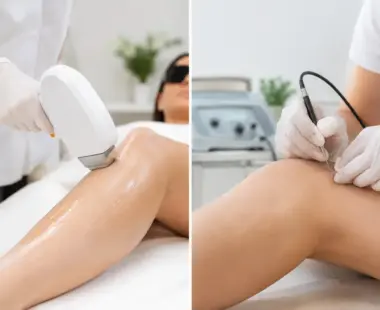
Compare laser hair removal versus electrolysis, including results, comfort, cost, skin tone, and treatment time, to choose the right approach for you.

Learn how to choose body contouring based on your goals, treatment area, timeline, and skin quality, with safe, personalized guidance for results today.
Monday: 9 AM–7 PM
Tuesday: 9 AM–5 PM
Wednesday: 9 AM–7 PM
Thursday: 9 AM–5 PM
Friday: 9 AM–4 PM
Saturday: 9 AM–4 PM
Sunday: 9 AM–2 PM