
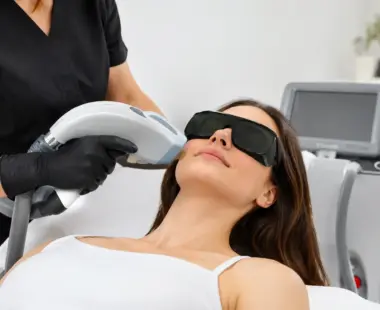
What a GentleMax Pro Experience Really Feels Like
A GentleMax Pro experience combines tailored laser settings, built-in cooling, and expert care for smoother skin with less disruption to your schedule.
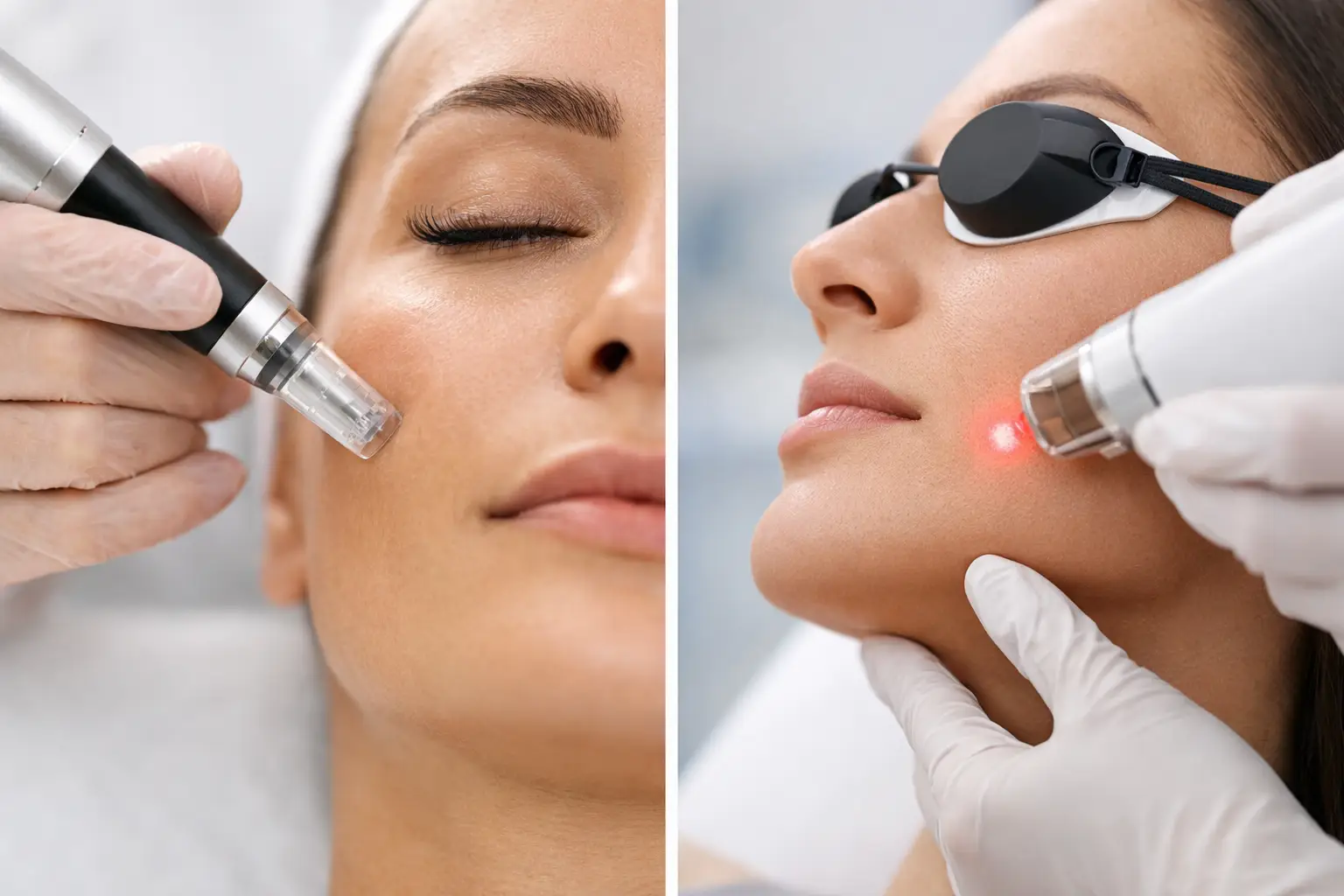
If you are trying to improve acne scars, rough texture, fine lines, or early laxity, the real question is rarely whether treatment works. It is which treatment matches your skin, your schedule, and your goals. In the conversation around microneedling vs fractional laser, both can deliver visible improvement, but they do it in different ways and at different intensities.
This is where customization matters. Two people can have the same complaint – uneven texture, enlarged pores, lingering acne scars – and still be better suited for very different treatments. The best choice depends on skin tone, downtime tolerance, severity of concern, and how quickly you want to see change.
Microneedling creates controlled micro-injuries in the skin using fine needles. That process stimulates collagen and elastin production, helping the skin rebuild itself over time. It is a collagen induction treatment first, which is why it is often recommended for textural concerns, mild to moderate acne scarring, and early signs of aging.
Fractional laser also triggers collagen remodeling, but it uses laser energy rather than needles. Depending on the device and settings, it can target a fraction of the skin at a time while leaving surrounding tissue intact to support healing. In a fractional non-ablative treatment, heat is delivered into the deeper layers without fully removing the top layer of skin. That often means more intensity than microneedling, along with a stronger resurfacing effect.
In plain terms, microneedling is usually the gentler option. Fractional laser is often the more aggressive option, especially for deeper damage or more visible signs of aging.
Microneedling is a strong option for clients who want steady improvement with relatively little downtime. It is commonly used for mild acne scars, enlarged pores, uneven texture, fine lines, and skin that looks dull or less firm than it used to.
One reason it remains popular is versatility. It can be adjusted in depth and intensity, and it is often well suited to a wide range of skin tones when performed by an experienced provider. For patients concerned about post-inflammatory hyperpigmentation, that matters. The treatment is also approachable for people who are not ready for laser resurfacing but still want meaningful collagen stimulation.
Results tend to build gradually. Most people need a series, not a single treatment, and the change can look very natural because the skin improves as new collagen develops. If your goal is refinement rather than a dramatic reset, microneedling often fits well.
Fractional laser is typically chosen when the skin needs more correction. It is especially effective for moderate textural irregularities, visible sun damage, acne scarring, and lines that are no longer mild. Because laser energy can be delivered with precision and power, it often produces faster or more noticeable results per session than microneedling.
That does not automatically make it the better treatment. It makes it the stronger tool when the concern calls for more intensity. A patient with etched-in texture or years of accumulated photodamage may benefit more from fractional resurfacing than from repeated lower-intensity treatments.
At a modern med spa focused on advanced technology and customized settings, fractional non-ablative resurfacing can offer an effective middle ground – significant skin renewal without the extended recovery associated with more aggressive fully ablative lasers. For busy professionals in Scottsdale and Phoenix, that balance is often a deciding factor.
This is where the choice becomes practical.
Microneedling usually comes with a shorter recovery window. Expect redness, mild swelling, and a tight or sun-kissed feeling for a day or two, sometimes a bit longer depending on treatment depth. Most clients return to normal routines quickly, with simple post-care and a temporary pause on active skin care ingredients.
Fractional laser often involves more visible recovery. Redness can last longer, the skin may feel warmer and more sensitive, and some flaking or roughness is common as the skin renews itself. The exact downtime depends on whether the treatment is lighter or more aggressive, but it is generally more noticeable than microneedling.
As for comfort, both treatments can be well managed with topical numbing. Microneedling often feels more tolerable to first-time patients. Fractional laser may feel hotter or more intense during treatment, even when it is non-ablative. That said, comfort depends heavily on the device, treatment settings, and provider technique.
Acne scars are one of the most common reasons people compare these treatments, and this is where nuance matters.
Microneedling can work very well for mild to moderate atrophic acne scars, especially when the scars are shallow and spread over a broader area. It helps improve overall texture and can soften the look of scars over a series of sessions. For some skin types, it is also a more conservative starting point.
Fractional laser is often preferred for more pronounced scarring or when a patient wants stronger resurfacing. Heat-based remodeling can create a more significant response in deeper scar tissue, which is why laser may be recommended when scars are more established or resistant.
Still, not every acne scar should be treated the same way. Ice pick scars, rolling scars, and boxcar scars respond differently, and some patients benefit from combining techniques over time. A treatment plan designed entirely around your scar type, skin tone, and healing response will outperform a one-size-fits-all approach every time.
Fractional laser usually has the edge for visible sun damage and overall resurfacing, particularly when texture and pigmentation show up together. If your skin concerns include roughness, fine lines, and photodamage from years of sun exposure, laser can address multiple layers of the problem in one strategy.
Microneedling can improve tone indirectly by strengthening skin quality and supporting healthier turnover, but it is not typically the first treatment chosen for stubborn pigmentation alone. In some cases, providers may favor microneedling for patients who need a more cautious approach based on skin tone or sensitivity.
This is another area where provider judgment matters. Pigment issues are not all the same, and the safest effective option depends on whether the discoloration is superficial, hormonal, inflammatory, or sun-related.
Safety is not a side note in aesthetics. It is the foundation of good results.
Microneedling is often considered a safer option across a wider range of skin tones because it does not rely on heat in the same way laser treatments do. That can reduce the risk of pigment complications in certain patients, particularly when treating deeper skin tones.
Fractional laser can absolutely be used safely, but it requires more careful selection of device, settings, and timing. Not every laser is appropriate for every skin tone, and not every patient is a candidate year-round, especially with recent sun exposure. This is where medical oversight and experience with advanced platforms make a measurable difference.
The treatment that is technically stronger is not the treatment you should choose if it raises unnecessary risk. The best plan is the one that balances performance with precision.
Microneedling usually works best as a series. Many patients need three or more sessions spaced several weeks apart to build visible collagen remodeling. The results continue to improve gradually, which appeals to people who want progressive change with minimal interruption.
Fractional laser may require fewer sessions to produce a noticeable shift, but that does not mean one treatment solves everything. More significant concerns often still need a series, or a maintenance approach over time. The difference is that each laser session can carry more impact.
This is where cost should be viewed realistically. Microneedling may have a lower price per session, while fractional laser may involve fewer sessions but a higher per-treatment investment. The better value depends on the condition being treated and the quality of the plan behind it.
Choose microneedling if you want collagen support, texture improvement, and a more conservative treatment with shorter downtime. It is often ideal for early aging concerns, mild scarring, and patients who want steady refinement.
Choose fractional laser if you want a stronger resurfacing treatment for more visible textural damage, sun exposure, or scarring and you are comfortable with a more noticeable recovery. It can deliver impressive correction when the indication is right.
For many patients, the real answer is not microneedling or fractional laser forever. It is using the right treatment at the right time, sometimes in phases, based on how your skin responds. At Laser Aesthetics, that kind of personalized planning is what turns a popular treatment into a smart one.
Your skin does not need the trendiest option. It needs the one that is precise, safe, and aligned with the result you actually want to see in the mirror.

A GentleMax Pro experience combines tailored laser settings, built-in cooling, and expert care for smoother skin with less disruption to your schedule.

A guide to scalp hair restoration explains causes of thinning, treatment options, candidacy, timelines, and how personalized plans support fuller hair.
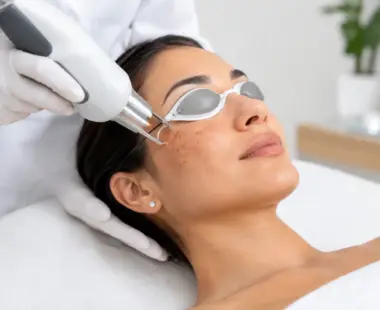
See why the best laser treatments for pigmentation vary for sun spots and melasma, and how skin tone, goals, and downtime shape a safe plan with care.
Monday: 9 AM–7 PM
Tuesday: 9 AM–5 PM
Wednesday: 9 AM–7 PM
Thursday: 9 AM–5 PM
Friday: 9 AM–4 PM
Saturday: 9 AM–4 PM
Sunday: 9 AM–2 PM