
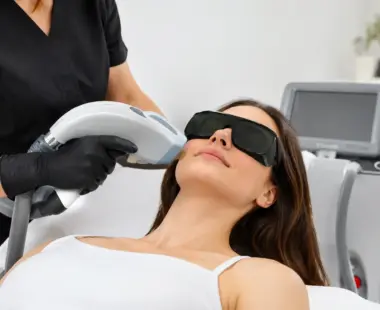
What a GentleMax Pro Experience Really Feels Like
A GentleMax Pro experience combines tailored laser settings, built-in cooling, and expert care for smoother skin with less disruption to your schedule.
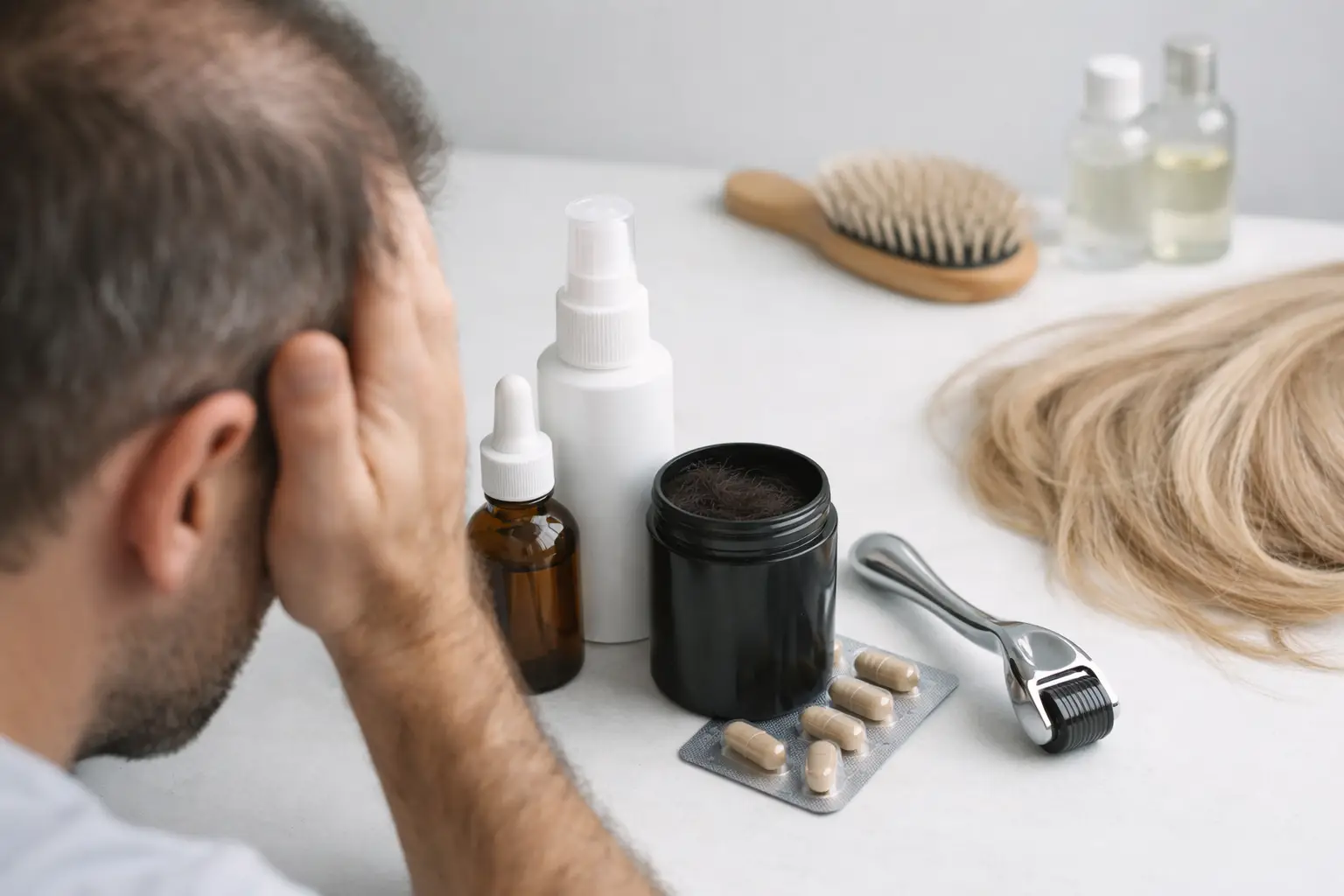
A widening part, more hair in the shower, or a thinner-looking hairline can feel surprisingly personal. The best options for thinning hair are not one-size-fits-all products or promises. They begin with identifying why density has changed, then choosing a treatment plan that respects your health, hair pattern, lifestyle, and timeline for results.
For many adults, thinning is gradual and genetic. For others, it can follow stress, illness, hormonal changes, nutritional deficiencies, medication changes, or significant weight loss. The right next step is not to panic or buy every serum on the shelf. It is to get a clear, personalized assessment while there is still active hair to support.
Hair naturally moves through cycles of growth, transition, and shedding. Problems arise when more follicles remain in the shedding phase, growth phases become shorter, or follicles progressively produce finer strands. Pattern hair loss, often called androgenetic alopecia, is common in both men and women and typically develops over time. Men may notice a receding hairline or thinning at the crown, while women often see diffuse thinning through the part line and top of the scalp.
Sudden or substantial shedding deserves medical attention. Thyroid conditions, iron deficiency, autoimmune concerns, scalp inflammation, recent pregnancy, and certain medications can all play a role. A qualified medical provider may recommend a health history, scalp evaluation, and, when appropriate, lab work before building an aesthetic treatment plan.
That evaluation matters because a treatment that helps hereditary thinning may not solve shedding caused by an underlying health issue. It also prevents the frustration of waiting months for improvement from a solution that was never matched to the cause.
The most effective plans often combine professional guidance with consistent at-home care. The best approach depends on whether your goal is to slow ongoing loss, improve the appearance of density, encourage healthier growth, or address a more advanced area of thinning.
Topical minoxidil is one of the most established over-the-counter options for certain types of pattern hair loss. It is applied to the scalp consistently and may help support hair growth and maintain existing density. Results take time. Many people need several months of regular use before they can fairly evaluate progress, and stopping treatment can allow the benefits to fade.
Prescription options may also be appropriate for some patients. These can include oral medications that influence hormonal pathways associated with pattern hair loss. They are not right for everyone and require a conversation with a licensed medical provider about personal health history, pregnancy considerations, potential side effects, and realistic expectations.
Medical treatment can be highly valuable, especially when thinning is active. Still, it is a commitment. The strongest results generally come from consistency, follow-up, and a plan that is adjusted as your hair changes.
Non-surgical hair restoration can be an excellent option for clients who want a treatment-based approach without the downtime of surgery. Depending on the individual plan, professional treatments may focus on creating a healthier scalp environment and supporting follicles that are still present but producing weaker, finer hair.
At Laser Aesthetics, hair restoration is approached with the same precision used across advanced aesthetic care: a thoughtful consultation, customized recommendations, and a focus on safe, visible improvement. These treatments are often best suited to early or moderate thinning, when follicles remain viable. They may be used alongside medically directed therapies rather than as a replacement for them.
Treatment schedules vary. Some clients begin with a series of sessions, followed by maintenance appointments designed around their response and long-term goals. Photography and consistent part-line or hairline evaluation can make subtle changes easier to track over time.
Low-level light therapy uses specific wavelengths of light in an effort to support follicle activity. It is available through in-office devices and certain at-home caps, helmets, or combs. For the right candidate, it can be a convenient addition to a broader plan, particularly for maintaining consistency between professional visits.
The trade-off is patience. Light therapy is not a quick fix, and device quality, treatment adherence, and the cause of thinning all affect outcomes. A professional consultation can help determine whether it makes sense for your pattern of loss instead of becoming another unused device in a bathroom cabinet.
A healthy scalp does not guarantee hair regrowth, but inflammation, buildup, irritation, and harsh styling habits can make thinning hair look and feel worse. Gentle cleansing, targeted scalp care, and reducing traction from tight styles may support the overall appearance of the hair.
Coloring, extensions, heat styling, and chemical services are not automatically off-limits. The key is being honest about how your hair is responding. If strands are breaking or your scalp feels tender, a less aggressive routine may be needed while you address the underlying thinning.
Nutrition belongs in this conversation, too. Protein, iron, vitamin D, zinc, and other nutrients are essential to normal hair growth, but supplements are not a universal answer. Taking high doses without a confirmed deficiency may be ineffective or create other health concerns. Testing and provider guidance are more useful than guessing.
Hair fibers, root sprays, strategic cuts, and professionally placed color can make a meaningful visual difference immediately. These are appearance-focused solutions, not follicle treatments, but they can restore confidence while a longer-term plan develops.
A stylist who understands thinning hair can recommend a cut that minimizes contrast at the scalp and avoids excessive layering that leaves ends looking sparse. For many clients, this is a practical part of the plan, not a compromise.
When areas are fully bare or follicles have been inactive for a long time, transplant surgery may offer the most meaningful path to permanent redistribution of hair. It is a surgical procedure with cost, recovery, and candidacy considerations, so it requires careful evaluation by a qualified hair restoration surgeon.
Even after a transplant, future thinning can continue in untreated areas. Many patients benefit from medical or non-surgical maintenance to protect the surrounding native hair. Surgery and non-surgical care are not opposing choices. In the right case, they can work together.
Start with your pattern and timing. Has thinning been gradual for years, or did shedding increase rapidly over a few months? Is the concern localized to the hairline, temples, crown, or part line? Are you noticing breakage, scalp symptoms, or changes after a health event? These details help separate a cosmetic concern from something that may need broader medical evaluation.
Next, consider your willingness to maintain treatment. Some options require daily application, others involve periodic appointments, and many need both. A plan you can follow consistently is more valuable than an impressive-sounding treatment that does not fit your schedule or budget.
Finally, be cautious with guarantees. Healthy hair growth is gradual, and credible providers should explain the possibility of stabilization, improvement, or limited response before treatment begins. Before-and-after images can be helpful, but your outcome will depend on your baseline density, the cause of hair loss, and how early you begin care.
Schedule an evaluation promptly if you have sudden patchy loss, pain, itching, scaling, redness, or shedding that feels dramatic. These symptoms may point to a scalp or medical condition that needs diagnosis beyond aesthetic treatment.
For gradual thinning, a consultation is still worthwhile before the concern becomes more noticeable. Clients in Scottsdale and the Phoenix area often seek help when styling starts taking longer or photos reveal more scalp than expected. Early, personalized care offers more options than waiting until follicles are no longer producing hair.
Your hair does not need to look “bad enough” before you ask for answers. The most useful plan is one that gives you a realistic path forward, supports what you have now, and helps you feel more confident each time you look in the mirror.

A GentleMax Pro experience combines tailored laser settings, built-in cooling, and expert care for smoother skin with less disruption to your schedule.

A guide to scalp hair restoration explains causes of thinning, treatment options, candidacy, timelines, and how personalized plans support fuller hair.
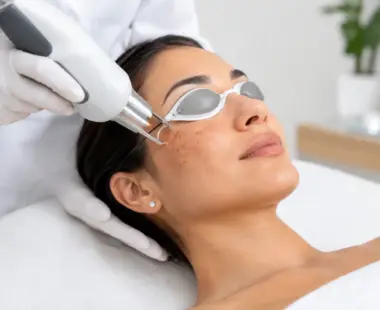
See why the best laser treatments for pigmentation vary for sun spots and melasma, and how skin tone, goals, and downtime shape a safe plan with care.
Monday: 9 AM–7 PM
Tuesday: 9 AM–5 PM
Wednesday: 9 AM–7 PM
Thursday: 9 AM–5 PM
Friday: 9 AM–4 PM
Saturday: 9 AM–4 PM
Sunday: 9 AM–2 PM