
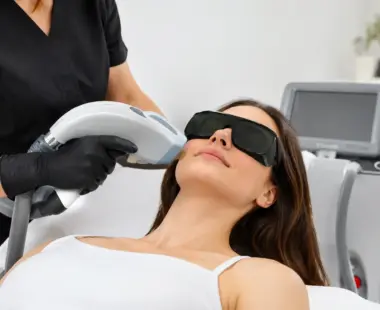
What a GentleMax Pro Experience Really Feels Like
A GentleMax Pro experience combines tailored laser settings, built-in cooling, and expert care for smoother skin with less disruption to your schedule.
Phoenix sun, dry air, weight changes, and the natural aging process can all leave skin looking less firm than it once did. For clients considering skin tightening Phoenix treatments, the goal is usually not to change who they are. It is to restore a smoother, more rested, more refined look with a treatment plan that respects their features, schedule, and comfort.
Non-surgical skin tightening can be a powerful option for improving mild to moderate laxity, texture, and overall skin quality. The right treatment depends on where you see change, how much tightening you need, your skin tone, and whether you are comfortable with a gradual result or need a more intensive approach.
Skin becomes less firm over time because collagen and elastin production slow down. Collagen provides structural support, while elastin helps skin return to place after movement. Sun exposure, genetics, stress, hormonal shifts, and fluctuations in weight can accelerate the visible effects.
Advanced energy-based treatments work by delivering controlled heat into targeted layers of the skin. This process supports collagen remodeling and encourages the body to create new collagen over time. The result can be tighter-looking skin, improved texture, softened fine lines, and a more refreshed appearance.
Most clients seek treatment for the face, jawline, neck, chest, abdomen, upper arms, or areas above the knees. Skin tightening may also complement body contouring or cellulite reduction plans, especially when someone wants to improve skin quality as well as shape.
There is an important distinction between tightening and lifting. Non-surgical treatments can improve mild to moderate laxity and create meaningful refinement, but they do not produce the same degree of change as surgery for significant loose skin or pronounced jowling. A thoughtful consultation should be honest about that difference from the start.
There is no single best treatment for every concern. The strongest plans are built around your skin, your goals, and the depth of correction you want.
Radiofrequency, often called RF, uses controlled energy to gently heat deeper skin layers while protecting the surface. This makes it a popular choice for clients who want firmer-looking skin with little interruption to their routine. RF treatments are commonly used on the face, neck, and body, and they can be adjusted to suit the treatment area and the patient’s comfort level.
Many clients describe the sensation as a deep, warming massage. Some warmth and mild redness can occur afterward, but downtime is generally minimal. Results develop gradually as collagen remodeling occurs, making RF a practical choice for people who prefer natural-looking improvement over time.
When laxity appears alongside rough texture, fine lines, enlarged pores, or sun-related skin changes, fractional non-ablative laser resurfacing may be the better fit. This treatment creates precise zones of thermal energy below the skin’s surface to support collagen production and skin renewal without removing the entire outer layer of skin.
The benefit is broader skin rejuvenation. You may notice smoother texture and improved tone along with a firmer appearance. Because resurfacing can involve several days of redness or a sandpaper-like texture, it is often planned around social events, travel, or important work commitments.
Microneedling creates controlled microchannels in the skin to stimulate the body’s repair response. It is especially valuable for concerns such as early laxity, fine lines, acne scarring, and uneven texture. For the right candidate, it can be part of a long-term collagen-support strategy rather than a one-time fix.
Microneedling is not always the ideal standalone answer for more noticeable skin laxity, particularly on the neck or body. However, it can pair well with other treatments when the focus is improving both firmness and surface quality.
Results from skin tightening Phoenix may be faster than you expect. Collagen remodeling is a biological process, not an overnight event. Some clients notice an initial glow or temporary plumping effect soon after treatment, but more visible firming usually develops over several weeks. Depending on the technology and area treated, improvement may continue for two to six months.
A series of treatments is often recommended because each session builds on the last. Your provider may also suggest maintenance appointments to help preserve results as collagen naturally declines with age. This is where personalized planning matters: a treatment schedule should be based on your starting point, not a generic package.
For best results, protect your investment with daily broad-spectrum sunscreen, consistent skincare, hydration, and a stable weight when possible. In Arizona, sunscreen is not an occasional step. It is a core part of maintaining brighter, firmer-looking skin after any rejuvenation treatment.
The ideal candidate is typically someone with mild to moderate laxity who wants visible improvement without surgery or extensive downtime. You may be a good fit if your skin feels less resilient, your jawline has started to soften, or your neck, arms, abdomen, or knees look crepey or loose.
Skin tone also matters. Different technologies and settings have different considerations for melanin-rich skin, recent sun exposure, pigmentation concerns, and a history of melasma. A provider should assess these factors carefully rather than using the same settings for every person.
Certain medical conditions, active skin infections, recent use of specific medications, pregnancy, or implanted electronic devices may affect your eligibility for some treatments. An experienced provider will review your health history and explain whether treatment should be adjusted, postponed, or avoided.
Advanced technology matters, but the person operating it matters just as much. Effective skin tightening requires an understanding of skin anatomy, energy settings, treatment depth, skin tone, and the difference between pushing for results and overtreating the skin.
At Laser Aesthetics, treatment planning is designed around the individual rather than a one-size-fits-all protocol. During a consultation, a trained provider should evaluate your skin quality, discuss your goals, explain expected sensations and downtime, and recommend an approach that fits your lifestyle.
Ask practical questions before booking. Find out which technology is being used, how many sessions are likely recommended, what recovery may look like, and what kind of result is realistic for your level of laxity. Clear answers are a sign of a provider focused on safety and long-term satisfaction, not a quick sale.
One of the advantages of non-surgical treatments is flexibility, but timing still matters. RF skin tightening may fit easily into a busy week, while laser resurfacing may require a few days of visible recovery. If you are preparing for a wedding, reunion, vacation, or professional milestone, begin early enough to allow for a treatment series and collagen development.
Avoid scheduling aggressive skin treatments immediately before major events. Even minimal-downtime procedures can cause temporary redness, swelling, dryness, or sensitivity. Planning ahead gives your skin time to respond beautifully without unnecessary pressure.
The best next step is a personalized consultation that starts with your actual concern, not a preset treatment menu. Whether your goal is a more defined jawline, smoother neck, or firmer body skin, the right strategy should help you look like yourself – refreshed, confident, and cared for.

A GentleMax Pro experience combines tailored laser settings, built-in cooling, and expert care for smoother skin with less disruption to your schedule.

A guide to scalp hair restoration explains causes of thinning, treatment options, candidacy, timelines, and how personalized plans support fuller hair.
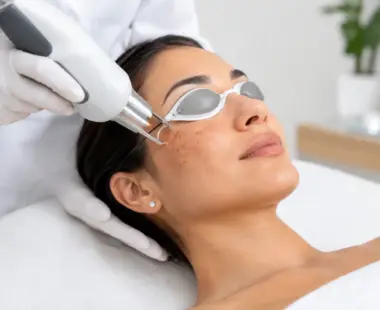
See why the best laser treatments for pigmentation vary for sun spots and melasma, and how skin tone, goals, and downtime shape a safe plan with care.
Monday: 9 AM–7 PM
Tuesday: 9 AM–5 PM
Wednesday: 9 AM–7 PM
Thursday: 9 AM–5 PM
Friday: 9 AM–4 PM
Saturday: 9 AM–4 PM
Sunday: 9 AM–2 PM