

Best Options for Body Sculpting That Work
Compare the best options for body sculpting, from noninvasive fat reduction to muscle toning, and choose a personalized treatment plan with confidence.
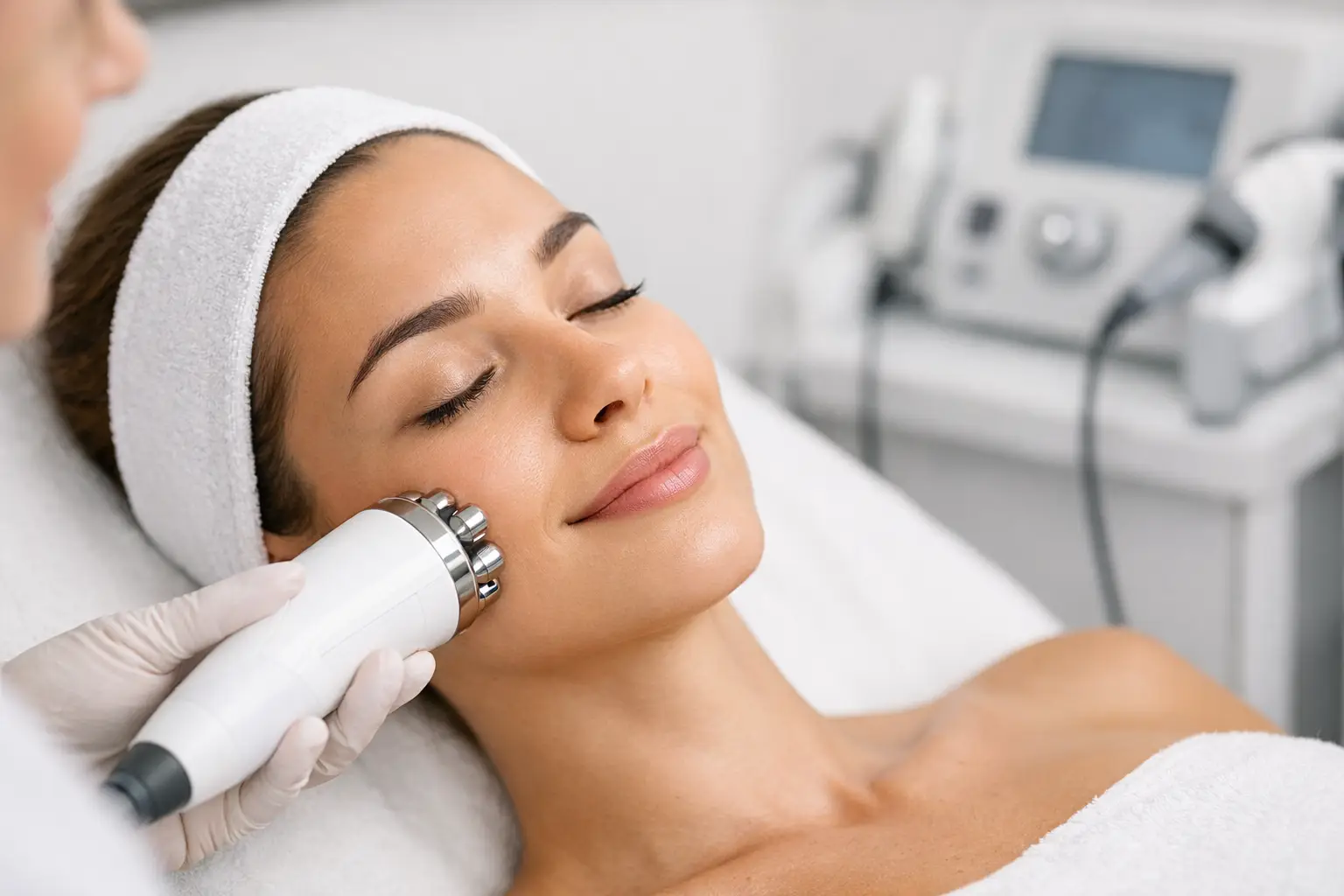
A radio frequency treatment should never feel like a one-size-fits-all facial. If you are asking, is RF safe for face skin tightening, the honest answer is: it can be very safe when the technology, settings, treatment area, and your health history are carefully considered. The goal is controlled heat in the right layer of skin, not simply turning a device up and hoping for a dramatic result.
For adults in Scottsdale and the Phoenix area who want firmer, smoother-looking skin without surgery or extended downtime, RF can be a valuable option. But great outcomes depend on more than the name of the treatment. They depend on qualified guidance, appropriate candidacy, and a plan designed around your skin.
Radio-frequency, often called RF, uses electromagnetic energy to create controlled heat within the skin and underlying tissue. That heat can encourage collagen remodeling and support new collagen production over time. Collagen is a structural protein that helps skin look firm, smooth, and resilient.
When performed with a quality, FDA-cleared device by a trained aesthetic professional, RF is generally considered a safe non-surgical treatment for many facial concerns. It is commonly used to improve the appearance of mild skin laxity, fine lines, crepey texture, and loss of definition around areas such as the cheeks, jawline, neck, and under-eye region when appropriate for the device.
“Generally safe” does not mean risk-free or right for every person. RF treatments use heat, and heat must be delivered with precision. The right provider evaluates your skin, facial anatomy, goals, previous treatments, medications, and medical history before recommending a protocol.
Not all RF treatments deliver energy in the same way. Some devices treat the skin’s surface and deeper dermal layers. Others combine radio frequency with micro-needling, allowing energy to be delivered at selected depths through very fine needles. These approaches can address different concerns, from overall laxity to texture, acne scarring, and more advanced signs of collagen loss.
A premier treatment plan accounts for that difference. Someone focused on early jawline laxity may need a different approach than someone treating etched-in acne scars or rough texture. Skin thickness, sensitivity, and tone also influence how energy should be selected and delivered.
Proper settings are not just a comfort issue. They are central to safety. Too little energy may produce minimal visible change. Too much energy, applied too aggressively or inappropriately, can increase the chance of prolonged irritation, burns, swelling, or unwanted changes in pigmentation. Advanced technology gives providers more control, but expert execution is what turns that control into a safe, comfortable experience.
Most clients describe non-invasive RF as a deep warmth that rises and falls as the hand-piece moves across the face. The sensation should be tolerable. Depending on the device and treatment area, you may feel brief moments of more intense heat, particularly over bony areas or regions with thinner tissue.
RF micro-needling has a different feel because it includes tiny needle channels along with radio frequency energy. Topical numbing is often used to support comfort. Redness, warmth, mild swelling, and a temporary tight feeling are common after either type of RF treatment. With many non-invasive treatments, these effects fade within hours to a few days. Recovery after RF micro-needling may be somewhat longer, depending on the intensity of the session.
Pain that feels sharp, severe, or progressively worse during treatment should be communicated immediately. A thoughtful provider welcomes that feedback and can adjust the approach when needed.
RF can be especially appealing for people who want gradual, natural-looking improvement rather than the immediate structural change of a surgical lift. It is often best suited to mild to moderate laxity and early collagen loss. The improvements tend to develop over weeks and months as the skin responds to treatment.
Skin tone is an important part of the consultation, but radio frequency is often a versatile option because it does not primarily target melanin in the way many light-based treatments do. That does not eliminate the need for careful treatment planning. Anyone with a history of post-inflammatory hyper-pigmentation, melasma, or sensitivity should have their skin assessed before moving forward.
You may need to postpone or avoid RF treatment if you are pregnant, have an active skin infection, open wounds, uncontrolled inflammatory skin conditions, or certain implanted electronic or metal devices in the treatment area. A history of keloid scarring, recent facial procedures, injectable treatments, filler, thread lifts, or surgery also deserves a detailed conversation. The answer is not always no, but timing and treatment selection matter.
Most side effects from properly performed RF treatments are temporary, including redness, swelling, tenderness, dryness, and sensitivity. Less common risks can include blistering, burns, bruising, infection with micro-needling-based treatments, prolonged redness, pigment changes, or changes in facial fat when energy is poorly selected or placed.
That last concern has received understandable attention online. Facial tissue is not uniform, and aggressive heat-based treatment over areas with limited volume may not be the right choice for every face. A responsible provider does not treat every concern with the same device, depth, or intensity. Sometimes the safest and most flattering recommendation is a more conservative RF plan, a different modality, or no treatment at all.
Be cautious with offers that promise dramatic lifting in one session, use vague language about the device being used, or skip a thorough consultation. Visible results should never come at the expense of tissue health or natural facial balance.
The safest RF experience begins before the appointment. Share your complete health history, medications, supplements, allergies, history of cold sores, past cosmetic procedures, and any previous reactions to energy-based treatments. Even details that seem unrelated can influence your treatment plan.
Before your session, avoid arriving with irritated or sunburned skin. Follow your provider’s instructions regarding retinoids, exfoliating acids, tanning, and any skincare products that may increase sensitivity. After treatment, use gentle skincare, protect the skin from sun exposure, and avoid excessive heat such as hot yoga, saunas, or intense workouts for the time frame your provider recommends.
Do not judge safety by whether a treatment feels aggressive. More heat is not automatically better. A well-designed series of treatments may deliver more refined, lasting improvement than one overly intense session. This is especially true for facial skin, where preserving a fresh, balanced appearance matters as much as improving firmness.
RF is a collagen-supporting treatment, not a replacement for surgery. It can improve the look of skin quality and mild laxity, but it will not create the same result as a face-lift for significant sagging or substantial volume loss. The best candidates appreciate subtle refinement: smoother texture, a firmer feel, a more polished complexion, and gradual improvement that still looks like them.
Results vary based on age, genetics, sun exposure, skin condition, lifestyle, and the specific treatment used. Many clients benefit from a series, followed by maintenance sessions as collagen naturally changes over time. A customized plan may also pair RF with other treatments, such as micro-needling, fractional non-ablative resurfacing, or a targeted skincare regimen, when those options align with your goals.
At Laser Aesthetics, every recommendation should begin with a close look at what your skin actually needs, not a predetermined treatment menu. The right RF plan is one that respects your anatomy, supports your comfort, and aims for visible improvement with safety at the center.
If facial RF is on your radar, make the consultation as valuable as the treatment itself. Ask which device will be used, what tissue depth it targets, what results are realistic for your concerns, and what recovery you should expect. The best next step is not chasing the strongest treatment. It is choosing the one that is precisely right for your skin.

Compare the best options for body sculpting, from noninvasive fat reduction to muscle toning, and choose a personalized treatment plan with confidence.

Compare the best loose neck treatments, from RF tightening and microneedling to resurfacing, with guidance for choosing the right non-surgical plan today.
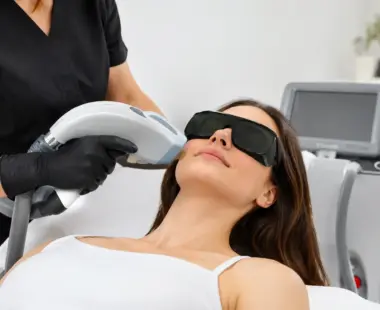
A GentleMax Pro experience combines tailored laser settings, built-in cooling, and expert care for smoother skin with less disruption to your schedule.
Monday: 9 AM–7 PM
Tuesday: 9 AM–5 PM
Wednesday: 9 AM–7 PM
Thursday: 9 AM–5 PM
Friday: 9 AM–4 PM
Saturday: 9 AM–4 PM
Sunday: 9 AM–2 PM