
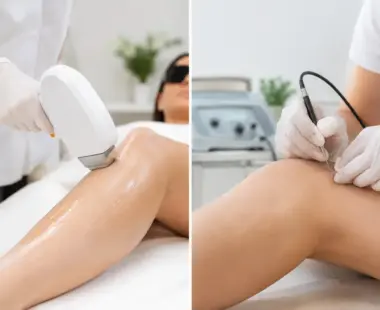
Laser Hair Removal Versus Electrolysis: Which Works?
Compare laser hair removal versus electrolysis, including results, comfort, cost, skin tone, and treatment time, to choose the right approach for you.
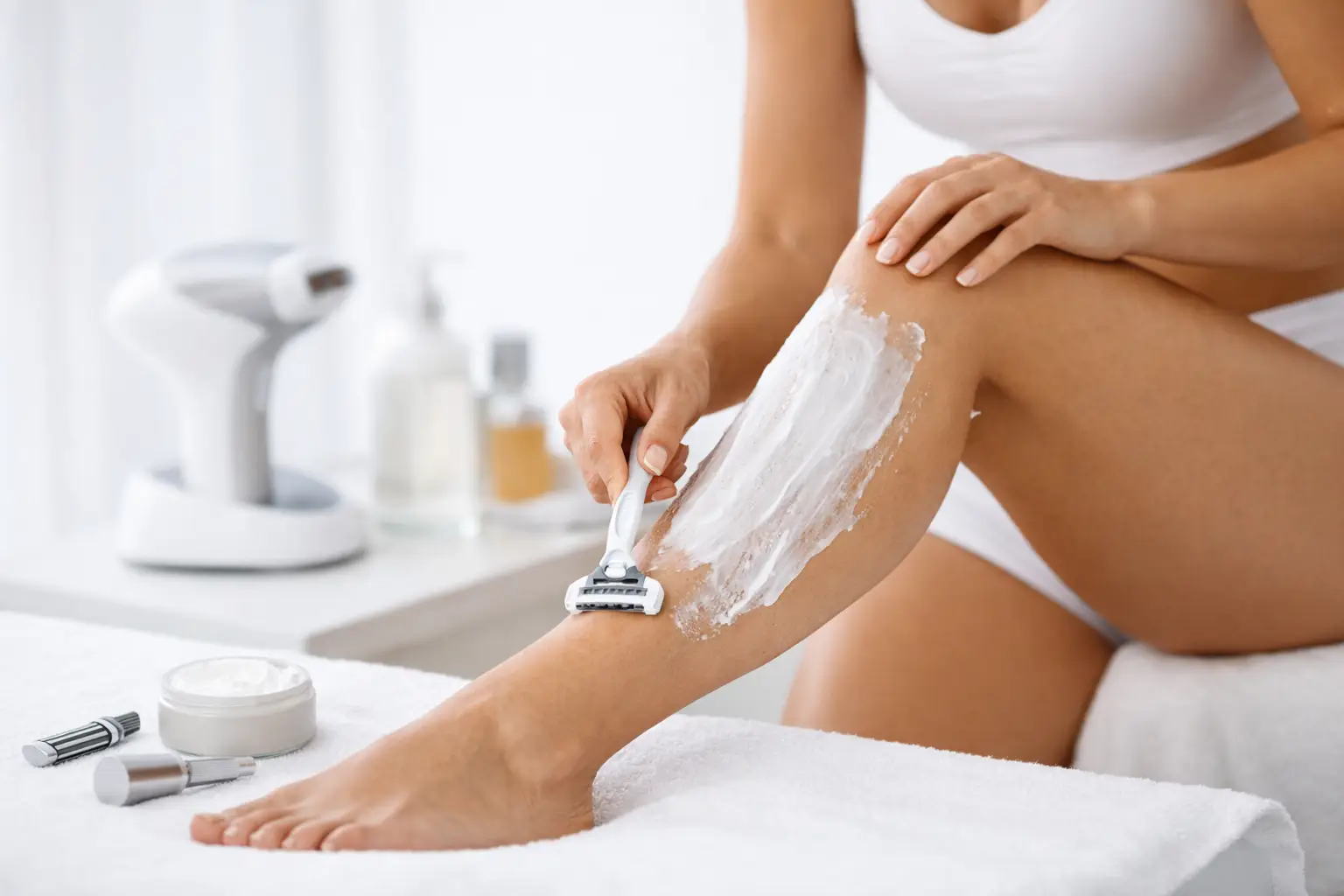
The right shave can make your laser hair removal appointment feel more comfortable and support a more precise treatment. Knowing how to shave before laser is not about getting an ultra-close, perfectly smooth result. It is about removing visible hair above the skin while preserving the hair root beneath it, where the laser needs to work.
Laser hair removal targets pigment in the hair follicle. When the area is properly shaved, more of the laser energy can focus below the skin’s surface instead of heating long hairs on top of it. That helps reduce the smell of singed hair, limits unnecessary surface irritation, and gives your provider a clean treatment area to assess and treat.
For most areas, shave about 12 to 24 hours before your appointment. This timing leaves the skin smooth enough for treatment while giving minor razor irritation time to settle. If your skin is especially sensitive, shaving the evening before rather than immediately before your visit is often the more comfortable choice.
There are exceptions. Areas where hair grows quickly, such as the face or underarms, may be shaved closer to the appointment if your provider recommends it. For a bikini area, legs, chest, or back, the night before is typically ideal. Your treatment plan should always take priority, particularly if you are treating a sensitive area or have a history of ingrown hairs, folliculitis, or razor burn.
Do not arrive with long, visible hair unless your provider specifically instructs you to do so. Long hair can absorb laser energy at the skin’s surface, making treatment less comfortable and less efficient.
Use a clean, sharp razor and warm water. A dull blade pulls at the hair and can create tiny nicks, which are not what you want before a laser appointment. Apply a gentle, fragrance-free shaving gel or cream, then shave with light pressure in the direction of hair growth when possible. This is especially helpful around the bikini line, underarms, and other areas prone to bumps.
Rinse the razor often and avoid repeatedly passing over the same spot. Chasing an extremely close shave can leave the skin more irritated than the benefit is worth. The goal is to remove the hair above the skin, not to exfoliate aggressively or create friction.
After shaving, rinse with cool or lukewarm water and pat the area dry with a clean towel. If your skin feels dry, use a simple, non-fragranced moisturizer unless your provider has told you to arrive with completely bare skin. On treatment day, the area should be clean and free from lotion, deodorant, makeup, perfume, self-tanner, and body oils.
Use a fresh facial razor and a mild shaving product that does not contain exfoliating acids, retinoids, or strong fragrance. Men having facial hair removal should shave closely enough that there is no stubble sitting above the skin. Avoid aftershave products with alcohol, menthol, or fragrance before treatment.
Take your time and use a clean razor reserved for the body. Shave only the area included in your treatment plan. If you are unsure where your treatment borders begin and end, ask before your first appointment rather than guessing. Skip harsh scrubs, dry brushing, and depilatory creams, all of which can leave this sensitive skin reactive.
A standard razor generally works well. If hair is long, carefully trim it first with clean electric clippers or scissors, then shave. Do not use a dry razor on large areas. A comfortable shave with adequate lubrication is less likely to cause redness that could affect your session.
Shaving is the preferred hair-removal method before laser because it leaves the follicle intact. Waxing, tweezing, threading, sugaring, and epilating remove hair from the root, leaving little or no target for the laser to detect.
Stop these root-removal methods for at least four weeks before beginning laser hair removal, or for the interval your provider recommends. During a series of treatments, continue shaving between sessions as needed. Do not wax just because the hair looks patchy as it starts to shed or regrow. That pattern can be a normal part of the process.
Avoid bleaching treatment-area hair as well. Laser technology relies on pigment, so bleaching can make the hair a less effective target. Depilatory creams are also best avoided unless your provider specifically approves them, since they can irritate the skin and make it harder to determine whether a reaction is from the cream or the laser treatment.
Sun exposure matters, too. Tanned, sunburned, or recently self-tanned skin may require your appointment to be postponed or your settings to be adjusted for safety. Protect the treatment area from sun exposure and disclose any recent tanning honestly. Advanced platforms such as the FDA-approved GentleMax Pro allow experienced providers to customize treatment for a range of skin tones, but safe settings still depend on your skin’s current condition.
The day before, shave the planned area with a clean razor and gentle shaving product. Keep the skin calm afterward, and do not exfoliate or use active skincare products on the area.
On the day of treatment, arrive with clean, dry skin. Skip makeup for facial treatments and skip deodorant for underarm appointments unless your provider says otherwise. Wear loose, breathable clothing if you are treating the bikini line, legs, or body. Friction from tight waistbands, synthetic fabric, or compression garments can feel uncomfortable after treatment.
Be sure to tell your provider about any new medications, active skin irritation, recent sun exposure, cold sores near a facial treatment area, or changes in your medical history. Certain medications and topical products can increase sensitivity to light. A personalized consultation is designed to identify those details before treatment begins.
Do not panic. Call your provider before the appointment rather than canceling automatically. Depending on the area, hair length, and schedule, the team may be able to trim or shave the area, or they may recommend rescheduling for the safest, most effective experience.
Avoid rushing in with a dry, aggressive shave five minutes before you leave. Fresh razor burn or small cuts can make treatment uncomfortable and may require the provider to avoid certain spots. A short delay is preferable to treating compromised skin.
Usually, yes, if your skin tolerates shaving well and your provider has not given different instructions. Still, shaving 12 to 24 hours ahead is often more comfortable because it allows temporary redness to fade. For facial hair or very fast-growing areas, same-day shaving may be appropriate.
Not necessarily. Shaving with the grain is generally gentler and can reduce bumps and irritation. If your skin handles shaving well, a careful second pass may create a closer result, but it is not required. Visible surface hair should be removed without leaving the skin inflamed.
Tell your provider. A small, healed mark may not affect treatment, but active cuts, open skin, a rash, or inflamed ingrown hairs may need to be avoided until the skin has recovered. This is part of responsible, individualized laser care.
A well-timed, gentle shave sets the stage for a more comfortable laser hair removal session and helps your provider focus on what matters: treating the follicles with precision. If you are unsure how to prepare for a specific area, ask for personalized guidance before your visit. The best plan is always the one designed around your skin, hair, and treatment goals.

Compare laser hair removal versus electrolysis, including results, comfort, cost, skin tone, and treatment time, to choose the right approach for you.

Learn how to choose body contouring based on your goals, treatment area, timeline, and skin quality, with safe, personalized guidance for results today.

Compare the best facial treatments Scottsdale clients choose for brighter, smoother skin, with custom plans, advanced technology, and minimal downtime.
Monday: 9 AM–7 PM
Tuesday: 9 AM–5 PM
Wednesday: 9 AM–7 PM
Thursday: 9 AM–5 PM
Friday: 9 AM–4 PM
Saturday: 9 AM–4 PM
Sunday: 9 AM–2 PM