
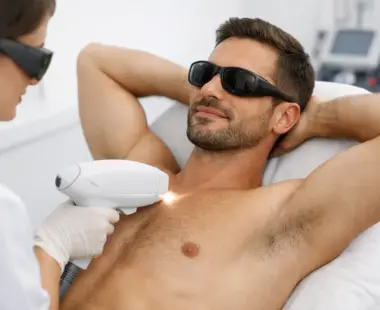
Can Men Get Laser Hair Removal? What to Know
Can men get laser hair removal? Learn how treatment works for the face and body, expected results, and why personalized settings support safe treatment.
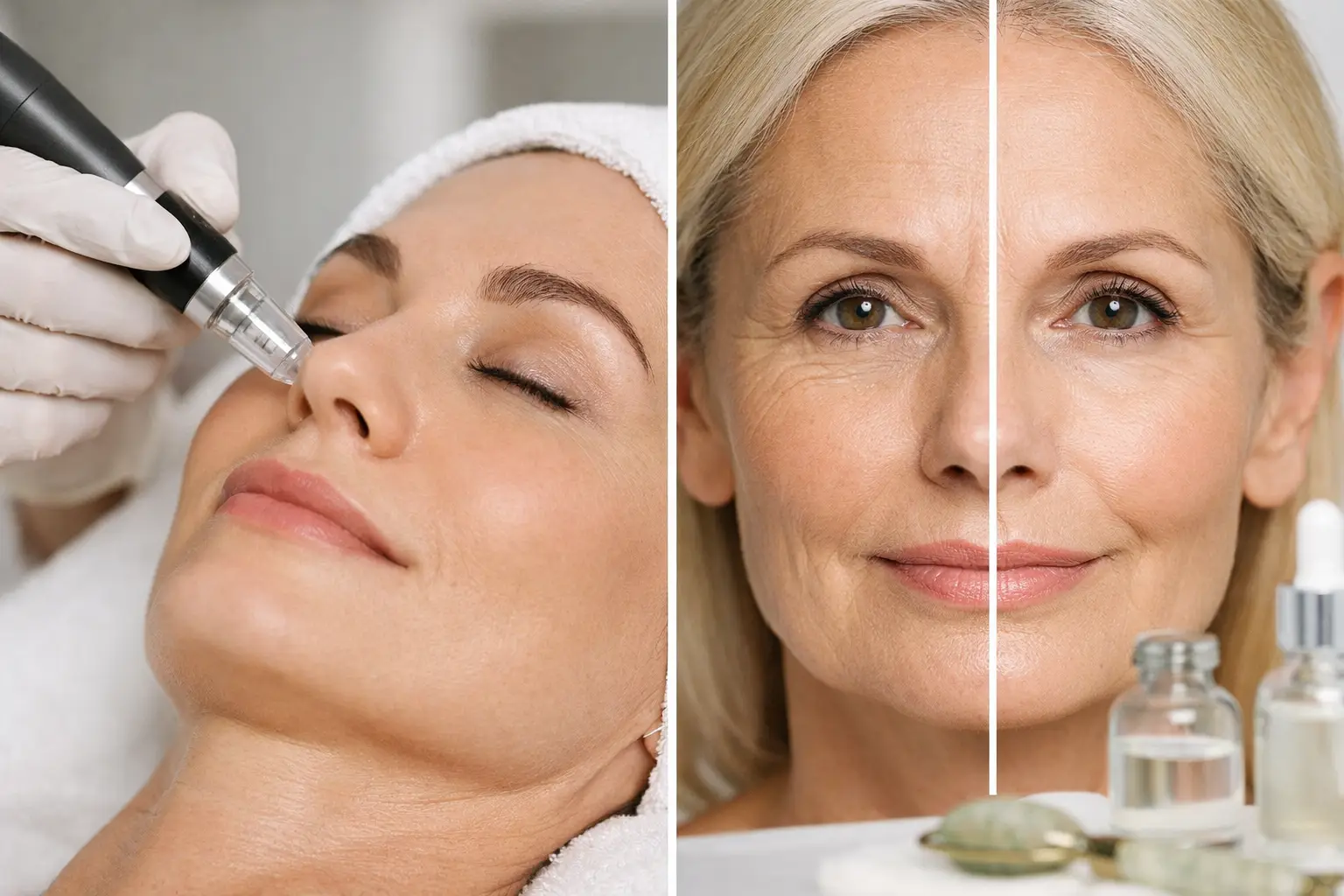
Fine lines often show up first where the skin moves most: around the eyes, across the forehead, and beside the mouth. If you are looking for a non-surgical way to refresh texture without dramatically changing your features, you may be asking: does microneedling help wrinkles? For the right candidate, it can. Microneedling encourages the skin’s natural repair process, supporting firmer-looking, smoother skin over a series of professionally customized treatments.
The key is having realistic expectations. Microneedling can improve fine lines and early-to-moderate wrinkles, but it is not a substitute for a surgical lift, nor does it erase deeply etched expression lines overnight. Treatment depth, skin quality, sun exposure, age, and a consistent plan all influence what you see in the mirror.
Yes. Professional microneedling works through controlled collagen induction therapy. A medical-grade device creates tiny, precise channels in the skin. These micro-injuries trigger a wound-healing response that includes new collagen and elastin production, two structural proteins that help skin look supported, smooth, and resilient.
As skin rebuilds, fine lines may appear softer and overall texture can look more refined. This is especially valuable for clients who feel that their skin looks crepey, dull, or less firm than it once did. Because the treatment works with your skin’s natural renewal process, results develop gradually rather than looking sudden or overdone.
Microneedling is most effective for concerns tied to texture and collagen loss. It can help soften fine lines around the mouth, improve forehead texture, and create a smoother canvas for makeup. It may also be part of a broader plan for acne scars, enlarged pores, sun-related texture changes, and mild skin laxity.
A wrinkle caused mainly by repeated muscle movement may need a different approach. For example, deep frown lines or pronounced crow’s feet can respond well to neuromodulator treatments because those treatments relax the muscles creating the crease. Microneedling can improve the skin quality around those lines, but it does not stop the muscle from contracting.
Likewise, significant sagging, very deep folds, or substantial volume loss may call for a more comprehensive plan. Depending on your goals, this could include skin tightening, fractional non-ablative resurfacing, injectables, or another treatment selected during a personalized consultation. The best treatment is not always the newest one. It is the one matched precisely to the reason the wrinkle is there.
Adults who are starting to notice fine lines, texture changes, and early laxity are often excellent candidates. Many clients begin treatments in their late 20s through 40s as a proactive way to maintain collagen, while clients in their 50s and 60s may use microneedling to improve skin quality as part of a more layered rejuvenation plan.
A professional provider will evaluate more than your age. They should assess the location and depth of your lines, your skin tone, active skincare products, history of scarring, and whether you have inflammation or active acne. This individualized approach matters because skin is not one-size-fits-all, and safe settings are just as important as effective ones.
Microneedling can be a thoughtful option for many skin tones when it is performed correctly. Unlike treatments that rely primarily on heat or pigment targeting, traditional microneedling does not depend on contrasting pigment in the skin. Still, any procedure that creates inflammation can carry a risk of post-inflammatory hyperpigmentation, particularly for clients prone to discoloration. Careful technique, proper preparation, and diligent sun protection help manage that risk.
You may need to postpone treatment if you have an active skin infection, open lesions, a herpes outbreak in the treatment area, uncontrolled acne, or certain medical conditions that affect healing. Pregnancy, use of prescription isotretinoin, a history of keloid scarring, and blood-thinning medications should also be discussed honestly with your provider before scheduling.
A well-performed microneedling appointment is designed around both results and comfort. Your provider begins by cleansing the skin and applying a topical numbing cream. Once the skin is prepared, the device is moved evenly across the treatment area at depths selected for your goals and the thickness of the skin in each area.
The treatment itself typically takes less than an hour after numbing time. Most clients describe a vibration-like sensation with more intensity in bony areas such as the forehead. There may be pinpoint bleeding at deeper settings, which is a normal clinical response and one reason professional treatment is different from using an at-home roller.
At-home devices cannot safely replicate the precision, sterility, or adjustable depth of a professional treatment. Using one too aggressively can create unnecessary trauma, spread bacteria, or worsen irritation. When your goal is visible wrinkle improvement, expert technique is worth prioritizing.
Expect redness similar to a moderate sunburn for one to three days. Some clients experience temporary warmth, tightness, dryness, or mild swelling, especially after a deeper treatment. The skin may feel rough or lightly peel as it recovers, but aggressive exfoliation is not the answer.
For the first 24 hours, keep your routine simple and follow the post-care directions provided by your treatment professional. Most clients should avoid makeup, strenuous exercise, hot tubs, saunas, and direct sun exposure during this initial period. Use gentle, hydrating products and broad-spectrum sunscreen once your provider advises it is appropriate.
Pause stronger ingredients such as retinoids, exfoliating acids, and benzoyl peroxide until your skin has recovered. These products are useful in many skincare routines, but applying them too soon after microneedling can lead to avoidable irritation. Your provider can tell you exactly when to reintroduce them based on your treatment depth and how your skin is responding.
Some clients notice a healthier glow within the first week as the initial redness resolves and the surface of the skin becomes smoother. Collagen remodeling takes longer. More meaningful improvement in fine lines often appears over four to twelve weeks, with continued refinement after each session.
For wrinkles and texture concerns, a series of three to six treatments spaced roughly four to six weeks apart is common. The ideal number depends on the condition of your skin and the level of correction you want. A person with subtle forehead texture may need a different schedule than someone treating widespread fine lines, acne scarring, and sun damage.
Maintenance matters, too. Collagen production naturally slows with age, while UV exposure and lifestyle factors continue to affect skin quality. Many clients choose periodic maintenance treatments after completing their initial series, paired with daily sunscreen and a customized medical-grade skincare routine.
Traditional microneedling relies on the controlled injury created by fine needles. RF microneedling adds radiofrequency energy beneath the surface, delivering heat at selected depths to support additional collagen remodeling and skin tightening. Both treatments can be valuable, but they are not interchangeable.
Traditional microneedling may be an excellent choice for fine lines, mild texture concerns, and clients seeking a lower-downtime collagen treatment. RF microneedling may be better suited to someone with more noticeable laxity, deeper wrinkles, or scars that need a stronger remodeling response. More intensity can mean more cost, recovery, and careful candidate selection, so the right choice depends on your skin rather than a trend.
At Laser Aesthetics, treatment planning begins with your actual concerns, skin condition, and comfort level. A customized plan may include microneedling alone or pair it thoughtfully with advanced skin tightening or resurfacing technology when that combination offers a clearer path to your goals.
Wrinkles are a normal part of expressive, lived-in skin. If they are beginning to make you feel less like yourself, a professional consultation can clarify whether microneedling is the right way to help your skin look smoother, brighter, and confidently refreshed.

Can men get laser hair removal? Learn how treatment works for the face and body, expected results, and why personalized settings support safe treatment.
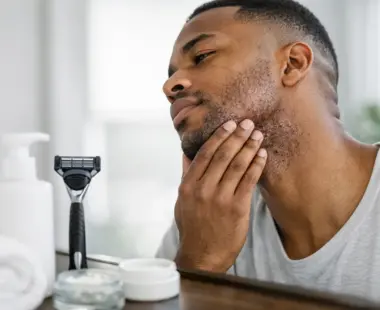
Learn how to treat razor bumps with calm, skin-smart care, when to seek expert help, and lasting prevention options for smoother, clearer-looking skin.
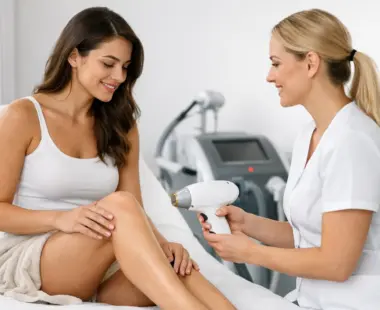
Learn how to choose laser hair removal with the right technology, provider expertise, and treatment plan for your skin tone, goals, and comfort safely.
Monday: 9 AM–7 PM
Tuesday: 9 AM–5 PM
Wednesday: 9 AM–7 PM
Thursday: 9 AM–5 PM
Friday: 9 AM–4 PM
Saturday: 9 AM–4 PM
Sunday: 9 AM–2 PM