

Best Laser for Dark Skin and Safer Hair Removal
Searching for the best laser for dark skin? Learn why Nd:YAG technology, expert settings, and a personalized plan make safer hair removal possible today.

Crepey skin has a particular way of catching the light: it can look thin, finely wrinkled, and slightly loose even when it is well moisturized. It often appears first on the neck, chest, upper arms, hands, knees, or around the eyes. The best treatments for crepey skin do more than temporarily hydrate the surface. They support collagen, improve skin texture, and help restore a firmer-looking quality over time.
For many people, the right answer is not one treatment alone. It is a personalized plan based on where the concern appears, how much laxity is present, your skin tone, your lifestyle, and how much downtime you are comfortable with. Advanced non-surgical treatments can create meaningful improvement, especially when they are paired with consistent skin care and sun protection.
Healthy skin relies on collagen and elastin for structure and resilience. With age, the body produces less of both. The skin also becomes thinner and holds less moisture, which can make fine lines look more pronounced. Sun exposure is a major accelerator, particularly on areas that are often overlooked with sunscreen, such as the chest, arms, and hands.
Weight changes, genetics, smoking, dehydration, and menopause can also contribute. On the body, crepiness may be paired with mild skin laxity. On the face and neck, it may appear alongside rough texture, enlarged pores, uneven tone, or sun damage. That distinction matters because treatment should address the full picture, not just the visible lines.
Fractional non-ablative laser resurfacing is one of the most effective options for crepey texture caused by collagen loss and photodamage. Rather than removing the top layer of skin, this technology creates controlled microthermal treatment zones below the surface. That process signals the body to build fresh collagen while leaving surrounding tissue intact to support a faster recovery.
Over a series of treatments, skin can look smoother, more refined, and more even in tone. It is especially valuable for crepey skin on the face, neck, chest, and arms, where texture and sun damage commonly overlap. Results develop gradually as collagen remodels, which means improvement often continues for weeks after each appointment.
The trade-off is that laser settings must be selected carefully. Skin tone, sensitivity, tanning history, and the treatment area all influence the safest approach. An experienced provider should customize the treatment rather than use a one-size-fits-all protocol.
Radiofrequency, or RF, skin tightening uses controlled heat to warm deeper layers of the skin. This supports collagen remodeling and can help improve mild to moderate laxity that makes skin appear thin or crinkled. It is often an excellent choice for the neck, arms, abdomen, thighs, and knees, where crepey texture may be connected to looseness beneath the surface.
RF treatments generally involve little to no downtime, making them appealing for clients who want visible improvement without surgery or a lengthy recovery. A series is usually recommended because collagen responds progressively. The goal is not to create an artificial tightness. It is to encourage a smoother, firmer-looking foundation that still looks like you.
RF can be particularly effective when combined with a texture-focused treatment. For example, resurfacing may target fine lines and uneven skin quality, while radiofrequency addresses the laxity that contributes to the crepey appearance.
Microneedling creates precise microchannels in the skin to stimulate the natural repair process and new collagen formation. It is a versatile option for early crepiness, fine lines, texture concerns, and areas where a gentler approach is preferred. The treatment can be used on the face, neck, chest, and selected body areas with a plan tailored to skin thickness and sensitivity.
Microneedling is not a substitute for surgery when there is significant loose skin, but it can make a noticeable difference in skin quality. It works best as a series, and the improvements are typically subtle after the first session before becoming more visible with continued care. For clients focused on prevention as well as correction, it can be a smart part of a long-term skin maintenance plan.
When crepey skin is accompanied by visible sun damage, redness, or uneven pigmentation, a targeted laser facial may improve the overall appearance of the area. Treatments using advanced laser platforms can address specific pigment and vascular concerns while supporting a brighter, more even complexion.
This option is not usually the primary treatment for laxity. However, improving discoloration and dullness can make fine crepey texture less noticeable. It is often incorporated between collagen-stimulating treatments or used as part of a broader plan for skin that looks healthier from every angle.
Skin care cannot replace the collagen-building power of professional procedures, but it protects your investment and can improve the look and feel of crepey skin. The most useful routine is consistent, not complicated.
Daily broad-spectrum sunscreen is essential. UV exposure breaks down collagen, and even the most advanced treatment plan will have a harder time delivering lasting results if unprotected sun exposure continues. Apply sunscreen to the face, neck, chest, arms, and hands, not just the areas that are easiest to remember.
A well-formulated retinoid can support cell turnover and collagen production over time. Moisturizers with ingredients such as ceramides, hyaluronic acid, glycerin, and peptides can also reduce the dry, papery look that makes crepiness more apparent. If your skin is sensitive, introduce active ingredients gradually and ask your provider which products complement your in-office treatment plan.
Lifestyle factors matter as well. Adequate protein intake, hydration, not smoking, and avoiding frequent tanning all support skin quality. These habits will not erase established laxity, but they can help preserve the improvements achieved through treatment.
The best plan begins with an honest assessment. Crepey skin on the upper arms may need a different approach than crepey skin beneath the eyes or across the chest. A client with early texture changes may respond beautifully to microneedling and medical-grade skin care, while someone with more noticeable laxity may benefit from radiofrequency paired with fractional resurfacing.
Timing also matters. Collagen treatments require patience because the body needs time to respond. If you are preparing for a wedding, milestone birthday, or vacation, allow several months when possible. This gives your provider room to schedule a treatment series and lets results develop naturally rather than rushing into an overly aggressive procedure.
At Laser Aesthetics, personalized treatment planning is designed around your skin goals, comfort level, and the areas you want to improve. Advanced, FDA-cleared technology and carefully selected settings help create a treatment experience that prioritizes both visible results and responsible care.
Non-surgical treatments can improve texture, firmness, and overall skin quality, but they have limits. When there is substantial excess skin after major weight loss or advanced age-related laxity, surgical options may provide a more dramatic tightening result. A trustworthy aesthetic provider will set that expectation clearly rather than promise a surgical outcome from a non-surgical procedure.
That does not mean non-surgical care has no place. Even when surgery is being considered, collagen-stimulating treatments and quality skin care may improve the surface texture that surgery alone does not fully address.
Crepey skin responds best to a thoughtful, consistent strategy rather than a quick fix. A professional consultation can identify whether resurfacing, radiofrequency, microneedling, or a carefully sequenced combination will give your skin the most natural-looking path toward smoother, more confident radiance.

Searching for the best laser for dark skin? Learn why Nd:YAG technology, expert settings, and a personalized plan make safer hair removal possible today.
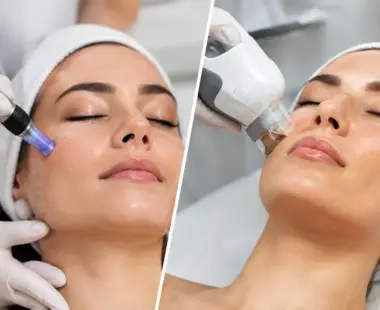
Microneedling versus resurfacing: compare downtime, skin concerns, comfort, and results to choose the right personalized treatment for your goals today.
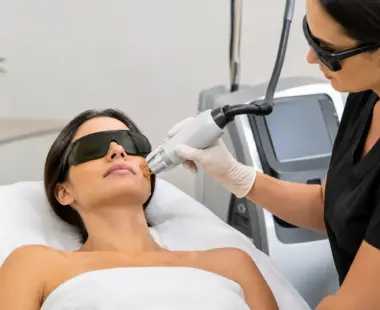
Learn how GentleMax Pro targets unwanted hair, pigmentation, and skin concerns with personalized settings, comfort, precision, and care. For visible results.
Monday: 9 AM–7 PM
Tuesday: 9 AM–5 PM
Wednesday: 9 AM–7 PM
Thursday: 9 AM–5 PM
Friday: 9 AM–4 PM
Saturday: 9 AM–4 PM
Sunday: 9 AM–2 PM