
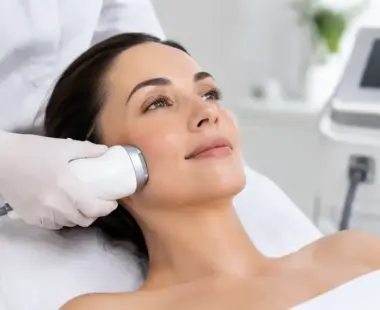
RF Tightening for Firmer Skin Without Surgery
RF tightening uses controlled radiofrequency energy to support firmer, smoother-looking skin with minimal downtime and personalized treatment planning.
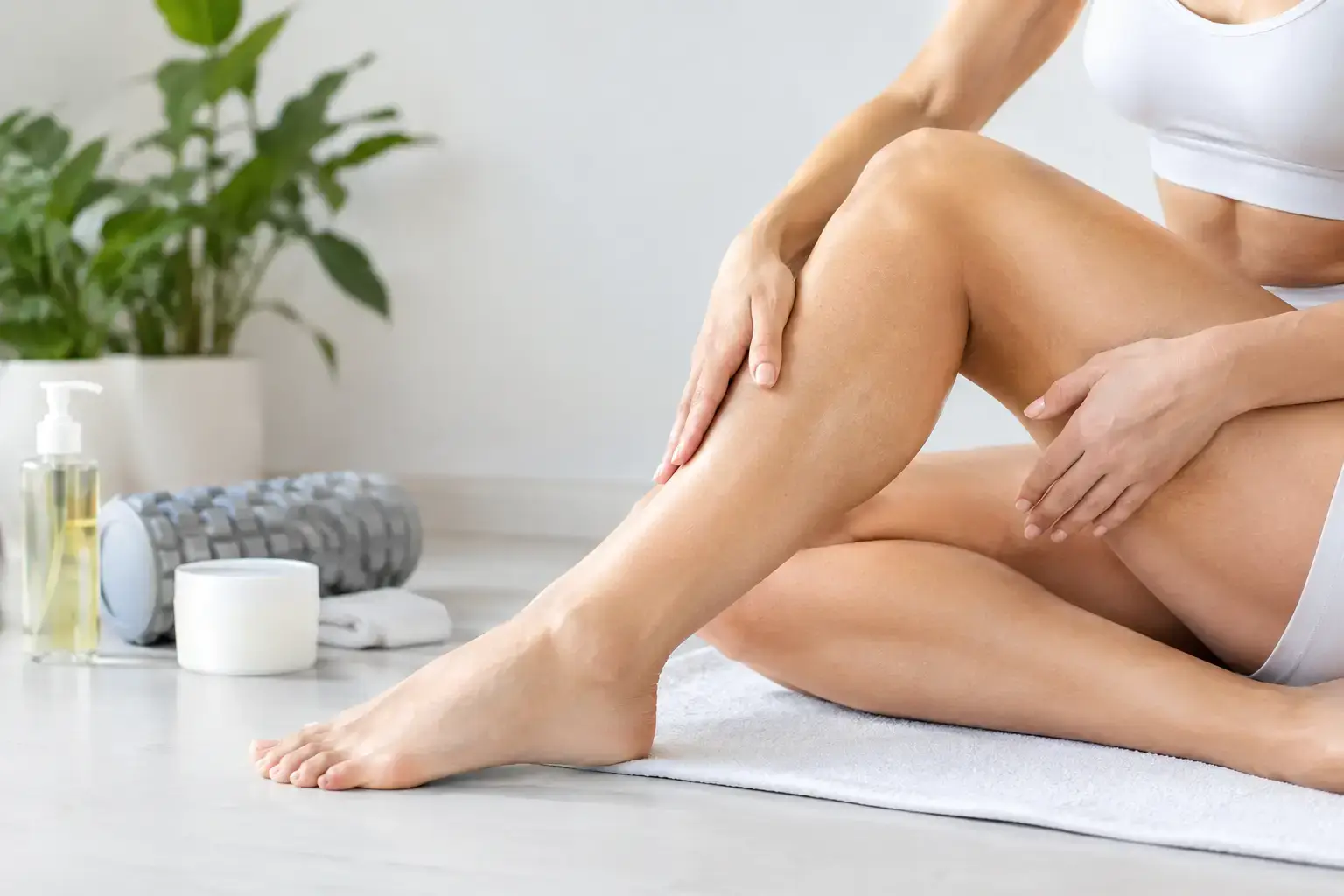
Cellulite can be frustrating because it does not always respond to the habits people expect. You can be active, eat well, and maintain a stable weight yet still notice dimpling across the thighs, hips, buttocks, or abdomen. This guide to cellulite reduction options separates temporary smoothing from treatments designed to improve the structure beneath the skin, so you can choose care based on your goals rather than a promise on a jar.
Cellulite is not simply body fat. It develops when fibrous connective bands pull the skin downward while underlying fat pushes upward, creating the uneven, dimpled texture many people see in certain lighting or positions. Hormones, genetics, skin thickness, connective-tissue structure, age, and shifts in body composition can all play a role.
That is why cellulite affects people across sizes and fitness levels. Women experience it more often because connective tissue is commonly arranged in a pattern that can allow fat to press toward the skin more visibly. As collagen and skin elasticity decline over time, the dimpling may become more noticeable.
A successful plan starts with identifying what you are actually seeing. Cellulite, loose skin, localized fat, and uneven skin texture can overlap, but they are different concerns. Body contouring may reduce pockets of fat, for example, without fully releasing the bands that create a true cellulite dimple. An experienced aesthetic consultation helps distinguish these concerns before recommending treatment.
There is no single treatment that is ideal for every person or every type of cellulite. The most appropriate choice depends on the depth of dimpling, treatment area, skin quality, downtime preferences, budget, and how much improvement you want to see.
Strength training, regular movement, hydration, nutrition, and weight stability can support healthier-looking skin and improve muscle tone beneath the treatment area. For some people, building muscle in the glutes and legs makes mild texture appear less pronounced. Maintaining a stable weight can also help prevent fluctuations that may affect skin firmness.
These habits are worthwhile, but they are not a complete solution for established cellulite. They do not release fibrous bands or substantially rebuild collagen on their own. Think of lifestyle care as a foundation that can help protect and complement professional results, not as a reason to blame yourself when dimpling remains.
Caffeine-based creams may temporarily make skin look smoother by reducing fluid retention or creating a tightening effect. Retinol products can gradually support skin thickness when used consistently, although results tend to be subtle and require patience. Neither option reaches the connective bands beneath the skin.
Dry brushing, massage tools, and lymphatic-style massage may create a short-term improvement in circulation or puffiness. They can be a pleasant part of a self-care routine, especially before an event, but the effect usually fades. Be wary of any product that promises to erase cellulite permanently at home.
Radiofrequency treatments use controlled energy to gently heat targeted tissue. Depending on the platform and protocol, this may support collagen remodeling, improve skin firmness, and soften the appearance of mild to moderate cellulite over a series of visits. Treatments are typically non-surgical and designed around comfort, with little to no downtime for many clients.
This approach can be especially valuable when cellulite appears alongside early skin laxity. Results are gradual because collagen response takes time, often becoming more visible over several weeks to months. Maintenance treatments may be recommended because skin continues to age and collagen production naturally changes.
Energy-based care is not interchangeable across devices. Appropriate settings, handpiece selection, treatment spacing, and skin assessment all influence safety and outcomes. For Scottsdale-area clients who want a non-surgical approach, choosing a provider with advanced technology and a personalized protocol matters more than selecting a treatment based on a single before-and-after photo.
Some professional treatments use mechanical massage, suction, vibration, or acoustic-wave technology to improve circulation and temporarily smooth the look of cellulite. These may be helpful for mild texture, fluid retention, or clients who prefer a noninvasive experience. A series is normally needed, and maintenance is common.
The trade-off is longevity. These options can make skin look and feel smoother, but they may not address deeper fibrous tethering as directly as procedures that physically release the bands. They are often best viewed as supportive treatments or part of a broader plan.
Subcision is a procedure in which a qualified medical professional uses a specialized instrument to release the fibrous bands pulling the skin downward. It is generally considered for distinct, deeper dimples rather than broad, fine texture. By addressing the tether itself, subcision can offer longer-lasting improvement for the right candidate.
Because it is more invasive than surface-level energy treatments, subcision comes with trade-offs. Bruising, tenderness, swelling, and a recovery period are common, and candidacy should be assessed carefully. The quality of the provider’s technique, sterile protocols, and follow-up care are central to both safety and results.
Some medical practices offer injectable or surgical options for selected cellulite concerns. Availability can vary, and not every approach is appropriate for every patient or body area. An injectable treatment may be designed to target the fibrous structure causing dimples, while surgical procedures may address larger concerns involving fat or skin laxity.
These treatments can have more significant risks, cost, and downtime than noninvasive care. They deserve a detailed consultation with a properly credentialed medical provider who can discuss the current evidence, expected recovery, and alternatives. A responsible provider will not present a more invasive option as necessary when a conservative plan may meet your goals.
The best cellulite reduction options improve the appearance of texture. They do not promise perfectly smooth skin in every pose, under every light, forever. Results can be meaningful, but they should be evaluated with consistent photos, similar lighting, and realistic expectations rather than a magnifying mirror.
Mild cellulite and thin, crepey skin may respond well to collagen-focused treatments. Deeper, isolated dimples may require a band-release approach. If fullness is the main issue, body contouring may be considered alongside skin-tightening care, though it should not be marketed as a standalone cellulite cure.
Most non-surgical plans require multiple sessions and patience. Collagen remodeling is gradual, and visible change often develops over time. A personalized plan may combine professional treatments with a maintenance schedule, movement, and skin-supportive home care to preserve a smoother appearance.
A thoughtful consultation should include more than a quick look at the treatment area. Your provider should ask about your health history, prior procedures, medication use, skin sensitivity, pregnancy status when relevant, and the results that matter most to you. They should also explain whether your concern is primarily cellulite, laxity, fat, or a combination.
Ask what technology or procedure is being recommended, why it fits your specific concern, how many visits may be needed, and what downtime to expect. You should understand potential side effects before beginning, including temporary redness, swelling, tenderness, bruising, or pigment-related concerns when applicable. FDA-cleared technology and evidence-informed protocols are meaningful, but skilled treatment planning remains essential.
At Laser Aesthetics, cellulite and skin-quality concerns are approached with advanced technology and a plan designed entirely around your anatomy, comfort, and desired level of improvement. The goal is visible refinement that still looks like you.
Your next step does not have to be a dramatic one. Start with an honest assessment, choose a treatment matched to the cause of your dimpling, and give your skin the time and consistency it needs to respond.
RF tightening uses controlled radiofrequency energy to support firmer, smoother-looking skin with minimal downtime and personalized treatment planning.

Hair restoration in Scottsdale starts with a personalized plan for thinning hair. Learn what to expect from safe, non-surgical treatment options and care.
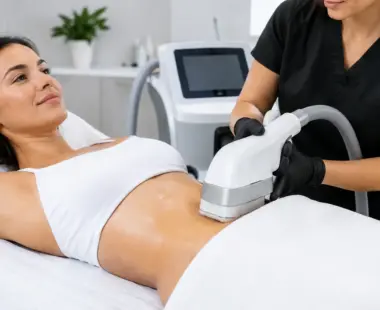
Does body sculpting freeze fat? Learn how fat-freezing treatments work, what results to expect, and when another body contouring option may fit better.
Monday: 9 AM–7 PM
Tuesday: 9 AM–5 PM
Wednesday: 9 AM–7 PM
Thursday: 9 AM–5 PM
Friday: 9 AM–4 PM
Saturday: 9 AM–4 PM
Sunday: 9 AM–2 PM

Get treatment insights and occasional special offers from Laser Aesthetics AZ.
Marketing consent is optional and not required to purchase or book a treatment.