
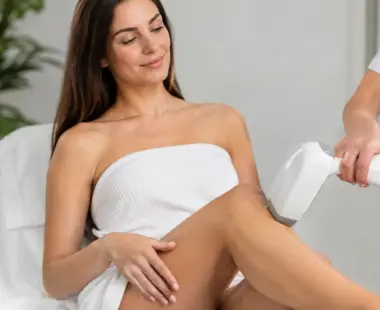
Best Hair Removal Phoenix Options for Smooth Skin
Searching for the best hair removal Phoenix offers? Learn how laser technology, skin-tone expertise, and a personal plan create smoother, lasting results for you.
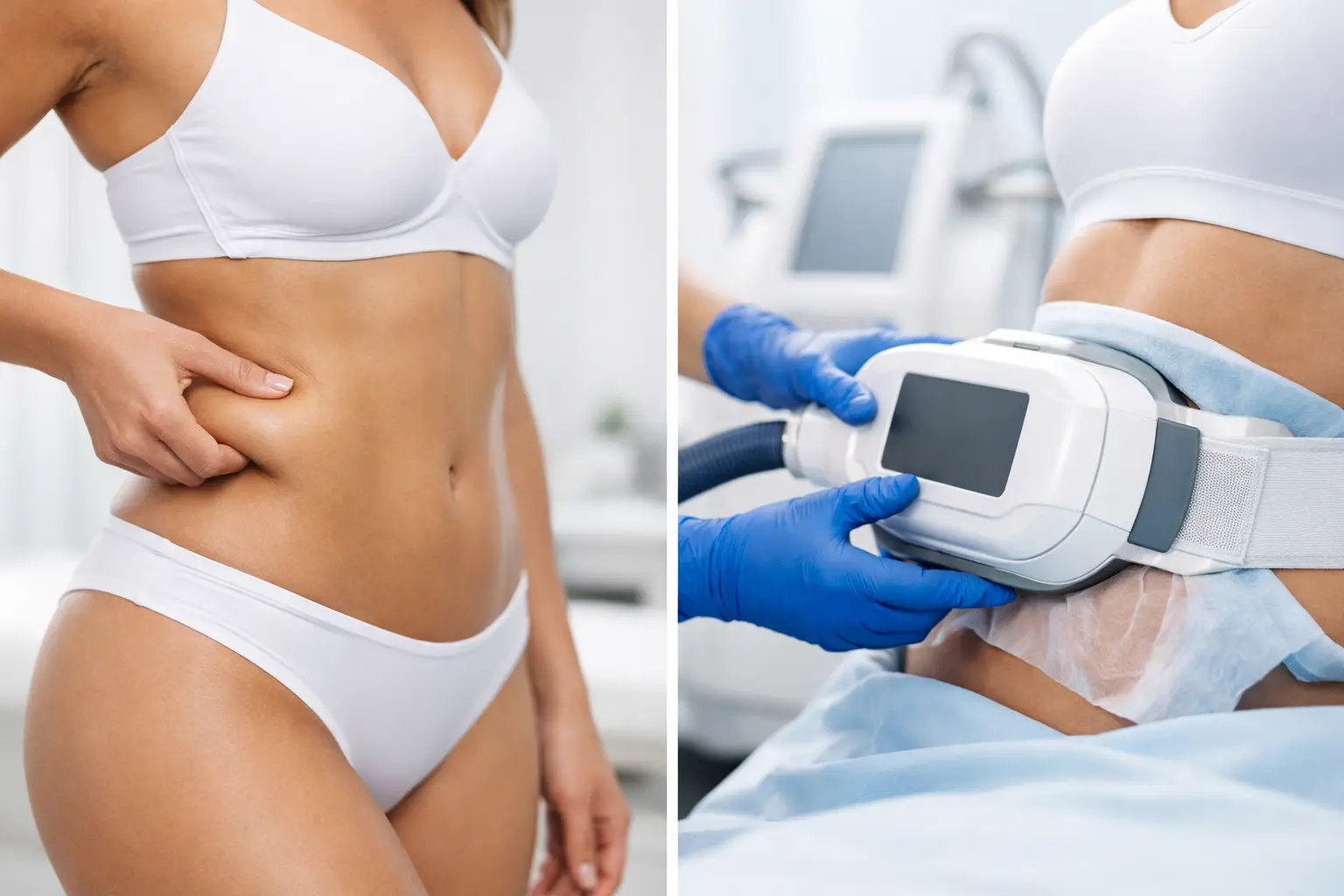
A lower-belly pocket that persists despite consistent workouts. Flanks that show through fitted clothing. A jawline that looks less defined in photos than it does in your head. These are often the concerns that bring clients in for a consultation. When comparing body contouring vs coolsculpting, the most useful question is not which treatment is more popular. It is which technology is suited to your anatomy, your goals, and the result you want to see.
Body contouring is an umbrella term, not one single treatment. It can describe surgical procedures, but in a medical spa setting, it usually refers to non-surgical technologies designed to reduce localized fat, improve the appearance of cellulite, strengthen or tone targeted muscle groups, and sometimes tighten mild skin laxity.
Different body contouring devices work in different ways. Some use controlled cooling to target fat cells. Others use radiofrequency energy to heat tissue, laser energy to disrupt fat cells, electromagnetic energy to stimulate muscle contractions, or a combination of heat and suction to address fat and skin texture at once. The right option depends on the concern being treated.
That distinction matters because a body-contouring plan can be designed around more than fat reduction. If the area has loose skin, cellulite dimpling, or a need for stronger muscle definition, a treatment that only targets fat may not be the complete answer.
Non-surgical body contouring is intended for people who are near a stable, healthy weight and want to refine specific areas that have been resistant to diet and exercise. It does not replace weight-loss care, a balanced lifestyle, or surgery when a significant volume reduction is needed.
A good candidate has realistic expectations: improvement rather than instant transformation. These treatments can create a more balanced silhouette and help clothing fit more comfortably, but they cannot promise a body that ignores natural anatomy, future weight changes, or aging.
CoolSculpting is a brand name for cryolipolysis, a treatment that uses controlled cooling to target visible fat bulges beneath the skin. During treatment, an applicator draws the selected area into place or rests against it, depending on the applicator design. The cooling process is intended to affect fat cells while protecting the surrounding skin and tissue.
Over the following weeks and months, the body gradually processes the treated fat cells. This is why CoolSculpting results are not immediate. The treated area may look different as swelling settles and the body responds, with final changes often developing over several months.
CoolSculpting is commonly considered for areas such as the abdomen, flanks, thighs, upper arms, back, and under the chin, when appropriate. Treatment areas and applicator options vary, so an in-person assessment is essential rather than assuming a treatment seen online will fit your body in the same way.
The simplest distinction is this: CoolSculpting is one type of non-surgical body contouring, while body contouring may include several technologies and treatment goals.
CoolSculpting may make sense when the primary concern is a pinchable, localized pocket of fat and you prefer a cooling-based approach with no incisions. A broader body-contouring plan may be more appropriate when the concern involves a combination of fat, skin laxity, cellulite, or reduced muscle tone. For example, reducing fat volume alone may not create the polished result you want if the skin in that area needs tightening support.
The best choice also comes down to where the fat sits. Treatments that rely on applicators need enough tissue to treat safely and effectively. A provider should assess the amount of tissue, the shape of the area, skin quality, and whether there are hernias, scars, or other factors that change the treatment plan.
Neither option is a lunchtime shortcut to dramatic overnight results. Non-surgical contouring works gradually, and the timeline depends on the technology used, the area treated, and your individual response.
With cryolipolysis, clients commonly wait weeks to begin seeing a change, with further improvement appearing over the next few months. Some people need more than one treatment cycle to reach their preferred level of reduction. Other body-contouring technologies may be performed as a series, especially when the goal includes skin tightening or cellulite improvement.
The value of a personalized plan is that it sets an honest expectation before treatment begins. Rather than selling a single session as a universal answer, a qualified provider can explain how many sessions may be appropriate, what degree of improvement is realistic, and when to evaluate the outcome.
Most non-surgical body contouring treatments allow clients to return to normal routines quickly. Temporary redness, swelling, tenderness, bruising, numbness, tingling, or sensitivity can occur, depending on the technology and treated area. Your provider should explain what is typical, what aftercare supports comfort, and when to call with a concern.
CoolSculpting treatment can involve an initial pulling or cooling sensation that typically becomes more tolerable as the area numbs. Afterward, some clients experience temporary soreness or altered sensation. Although uncommon, paradoxical adipose hyperplasia is a known risk of cryolipolysis. In this condition, the treated fat area becomes enlarged and firm rather than smaller, and it may require surgical correction. This is one reason thoughtful screening and informed consent matter.
Radiofrequency, laser, and other energy-based contouring treatments also have specific risks, including temporary swelling, tenderness, and, when settings or candidacy are not properly managed, the possibility of unwanted tissue effects. Advanced technology is only part of the equation. Provider training, appropriate settings, treatment mapping, and a willingness to say when a treatment is not the right fit are equally important.
CoolSculpting can be a strong option for an adult with localized fat bulges, good skin elasticity, and a preference for a non-invasive cooling treatment. It is not appropriate for everyone. Certain cold-sensitive conditions and medical histories may rule out cryolipolysis, and those details should be reviewed before booking.
A customized body-contouring approach may be better for someone whose concern is more layered. If the abdomen has both fat and skin laxity after weight loss or pregnancy, a plan that addresses only one issue may leave you underwhelmed. If cellulite is the central concern, a treatment chosen specifically for skin texture and connective-tissue changes may be more relevant than fat freezing.
People who are seeking major weight reduction, substantial loose-skin removal, or a dramatic surgical result may be better served by a conversation with a board-certified plastic surgeon. The most trusted recommendation is not always the least invasive one. It is the one that matches the outcome you are trying to achieve.
A quality consultation should feel precise, not rushed. Your provider should ask about your health history, weight stability, prior procedures, medications, and the outcome you want. They should examine the treatment area standing and seated, assess skin quality and fat distribution, and explain why a particular technology is being recommended.
At Laser Aesthetics, that individualized approach helps ensure treatment is designed around your body rather than a one-size-fits-all package. Ask to see what area will be treated, how the plan addresses your specific concern, the expected number of sessions, and what results look like at realistic follow-up intervals.
Photos can be valuable when they are taken consistently, with the same lighting, posture, and distance. They provide a more objective view of gradual change than checking the mirror every day. Maintaining a stable weight, regular movement, hydration, and a supportive nutrition routine can also help preserve your result over time.
The body contouring vs coolsculpting choice is not a contest between two unrelated procedures. It is a decision about whether cooling-based fat reduction is the right tool for your concern or whether a broader strategy can better address the fat, skin, texture, and muscle factors that shape the area.
Your next step should be a consultation that makes room for honest questions and tailored recommendations. When your treatment plan is based on careful assessment, advanced technology, and realistic goals, non-surgical contouring can be a confident, well-informed investment in how you feel in your body.

Searching for the best hair removal Phoenix offers? Learn how laser technology, skin-tone expertise, and a personal plan create smoother, lasting results for you.
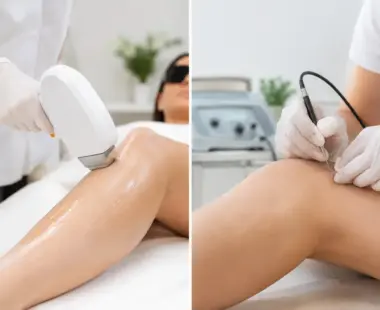
Compare laser hair removal versus electrolysis, including results, comfort, cost, skin tone, and treatment time, to choose the right approach for you.

Learn how to choose body contouring based on your goals, treatment area, timeline, and skin quality, with safe, personalized guidance for results today.
Monday: 9 AM–7 PM
Tuesday: 9 AM–5 PM
Wednesday: 9 AM–7 PM
Thursday: 9 AM–5 PM
Friday: 9 AM–4 PM
Saturday: 9 AM–4 PM
Sunday: 9 AM–2 PM