
Best Hair Removal Phoenix Options for Smooth Skin
Searching for the best hair removal Phoenix offers? Learn how laser technology, skin-tone expertise, and a personal plan create smoother, lasting results for you.
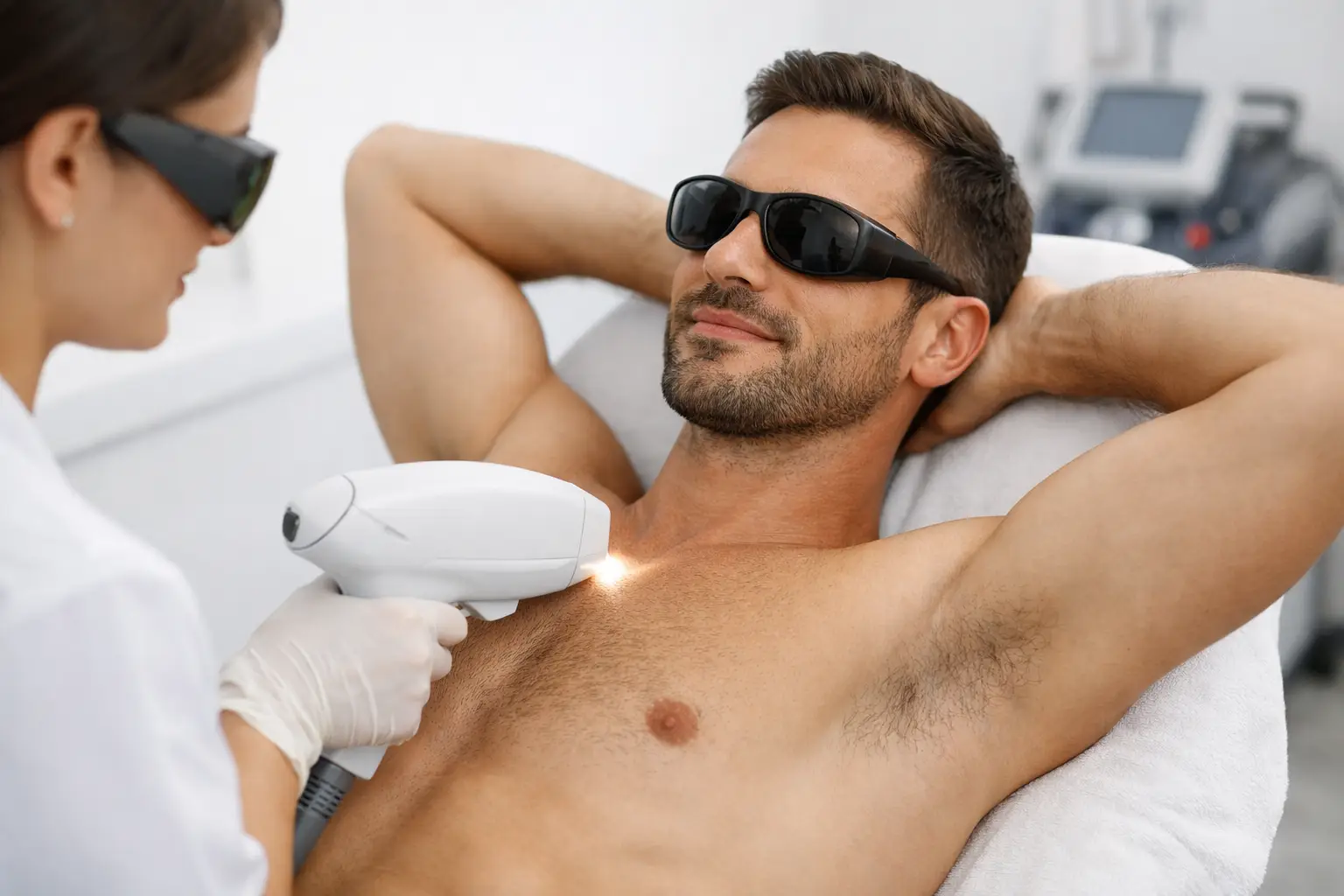
A sharply defined beard line, a smoother back, or less time spent shaving before the gym can make a noticeable difference in how you feel. So, can men get laser hair removal? Absolutely. Men are excellent candidates for laser hair removal, and treatments can be customized for everything from full-back reduction to precise facial shaping.
The key is choosing a provider with the technology and experience to treat thicker, denser hair without taking a one-size-fits-all approach. Male hair growth is often influenced by hormones, which means treatment planning matters just as much as the laser itself.
Men can receive laser hair removal on nearly every external area where unwanted hair grows. The most requested treatment areas are the back, shoulders, chest, abdomen, neck, beard line, ears, arms, underarms, hands, legs, and feet. Some men also choose treatment for the glutes or Brazilian area.
Not every goal is about removing all hair. Many clients want strategic reduction rather than a completely hair-free result. A chest treatment, for example, can reduce density while preserving a natural appearance. Beard laser hair removal can clean up the neck and cheeks while keeping the beard itself intact. That degree of control starts with a clear conversation about the look you want to maintain.
The neck is one of the most popular areas for men because daily shaving can lead to razor bumps, ingrown hairs, irritation, and shadowing. Laser treatment can substantially reduce the hair that grows below a preferred beard line, making grooming faster and more comfortable.
Facial hair is typically coarse and dense, so it may require a thoughtful series of sessions and periodic maintenance. Precision is essential when shaping a beard. A skilled provider should map the desired border carefully and use conservative, customized settings around sensitive facial skin.
Back and shoulder hair can be difficult to manage with shaving, waxing, or depilatory creams. Laser hair removal offers a practical long-term reduction option for these larger areas, especially for men who want to feel more confident at the pool, on the golf course, or in fitted clothing.
The chest and abdomen require a more individualized approach. Some men want a smoother result, while others simply want less bulk and fewer stray hairs. During a consultation, the provider can help determine whether full removal, thinning, or targeted cleanup best matches your preferences.
Laser hair removal directs concentrated light energy into the pigment of the hair. The heat travels to the follicle, damaging its ability to produce new growth. Hair grows in cycles, and laser treatment is most effective when hair is in its active growth phase. That is why a treatment series is needed rather than a single appointment.
Male hair can respond very well because it is frequently darker and coarser, creating a stronger contrast against the skin. Still, hair density and hormonal influence may mean men need more sessions than women for certain areas, particularly the face, chest, and abdomen.
At Laser Aesthetics, advanced technology such as the GentleMax Pro allows treatment parameters to be adjusted based on skin tone, hair color, hair thickness, and the specific area being treated. This level of personalization supports both effective treatment and patient comfort.
The ideal candidate traditionally has dark hair with enough contrast against the skin for the laser to identify pigment in the follicle. However, modern laser platforms can safely treat a broader range of skin tones when operated with the correct wavelength and settings.
Blonde, gray, white, and red hair can be more challenging because these hairs contain less pigment. Laser hair removal may not provide the same level of reduction in these cases. A consultation is the right place to discuss what is realistic for your hair and skin combination rather than making assumptions based on someone else’s experience.
Laser hair removal is designed for long-term hair reduction, not a promise that every follicle will disappear forever. After a complete series, most men experience a meaningful reduction in hair growth, along with finer, lighter regrowth in treated areas. Skin can also feel smoother, and many clients notice fewer ingrown hairs and less shaving-related irritation.
Results vary by treatment area. Underarms, lower legs, and back hair may respond differently than hormone-sensitive areas such as the beard, chest, and stomach. Maintenance appointments can be helpful over time, particularly when hormonal changes stimulate new growth.
A typical plan may involve six to 10 sessions, though the right number depends on the area, density, hair growth cycle, and your desired level of reduction. Appointments are spaced apart so the laser can target hairs as they enter the appropriate growth phase. Facial areas are often treated on a different schedule than body areas.
When performed by qualified professionals using appropriate technology and customized settings, laser hair removal is considered a safe, well-established aesthetic treatment. The treatment should begin with a consultation that reviews your skin type, medical history, medications, recent sun exposure, and treatment goals.
During the appointment, clients commonly describe a quick snapping sensation as the laser pulses. Advanced systems with integrated cooling can improve comfort, especially on sensitive areas such as the neck, chest, or Brazilian area. Treatment time can range from minutes for small areas to longer appointments for a full back or multiple body areas.
Temporary redness and mild follicular swelling are common after treatment and usually resolve quickly. Your provider will give you personalized aftercare instructions, which generally include protecting treated skin from sun exposure and avoiding heat-intensive activities immediately afterward.
Laser hair removal is not a treatment to rush into after a weekend in the sun. A recent tan, sunburn, or self-tanner can affect how the skin responds and may require rescheduling. Certain medications and skin conditions can also change candidacy.
Be transparent during your consultation. Let your provider know about prescription medications, isotretinoin use, active skin irritation, a history of pigment changes, or any recent waxing or plucking. The more complete the information, the safer and more precise your treatment plan can be.
Preparation is straightforward, but it directly affects your results. Shave the treatment area as instructed, usually the day before or on the day of your session. Shaving leaves the follicle in place while removing surface hair that could absorb excess laser energy.
Avoid waxing, tweezing, threading, or using an epilator for several weeks before treatment because the laser needs the root present to target the follicle. Minimize direct sun exposure, skip self-tanner, and arrive with clean skin free of heavy lotions, deodorant, or fragrance on the treatment area.
Between appointments, shaving is typically fine. In fact, it is often the easiest way to manage regrowth while your treatment series is underway. Resist the urge to judge the outcome after one session. Hair may appear to shed over the following days or weeks, and the visible change builds progressively across the series.
The provider matters, particularly for larger body areas, sensitive facial work, and deeper skin tones. Look for a medical aesthetics team that treats a wide range of patients, uses advanced laser technology, and takes time to assess both your skin and your goal. A full-back reduction should not be treated exactly like a beard line, and neither should be treated with generic settings.
Ask what technology will be used, how the settings are selected, what level of reduction is realistic, and whether maintenance may be needed. A professional consultation should feel informative, not rushed. You should leave knowing what the process involves, how to prepare, and what your skin is likely to experience afterward.
If unwanted hair is costing you time, causing irritation, or simply no longer fits your grooming routine, a personalized consultation can turn a vague idea of “less hair” into a treatment plan designed entirely around you.

Searching for the best hair removal Phoenix offers? Learn how laser technology, skin-tone expertise, and a personal plan create smoother, lasting results for you.
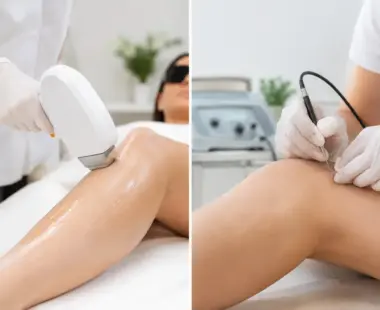
Compare laser hair removal versus electrolysis, including results, comfort, cost, skin tone, and treatment time, to choose the right approach for you.

Learn how to choose body contouring based on your goals, treatment area, timeline, and skin quality, with safe, personalized guidance for results today.
Monday: 9 AM–7 PM
Tuesday: 9 AM–5 PM
Wednesday: 9 AM–7 PM
Thursday: 9 AM–5 PM
Friday: 9 AM–4 PM
Saturday: 9 AM–4 PM
Sunday: 9 AM–2 PM