
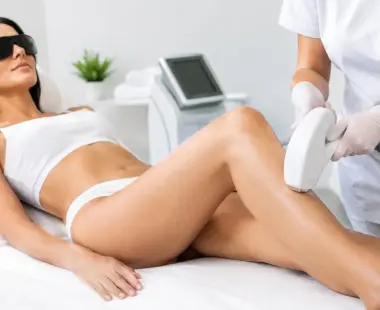
Laser Hair Removal Packages Review: Real Value
Read a laser hair removal packages review that explains session counts, technology, costs, safety, and how to choose a plan designed for lasting smoothness.
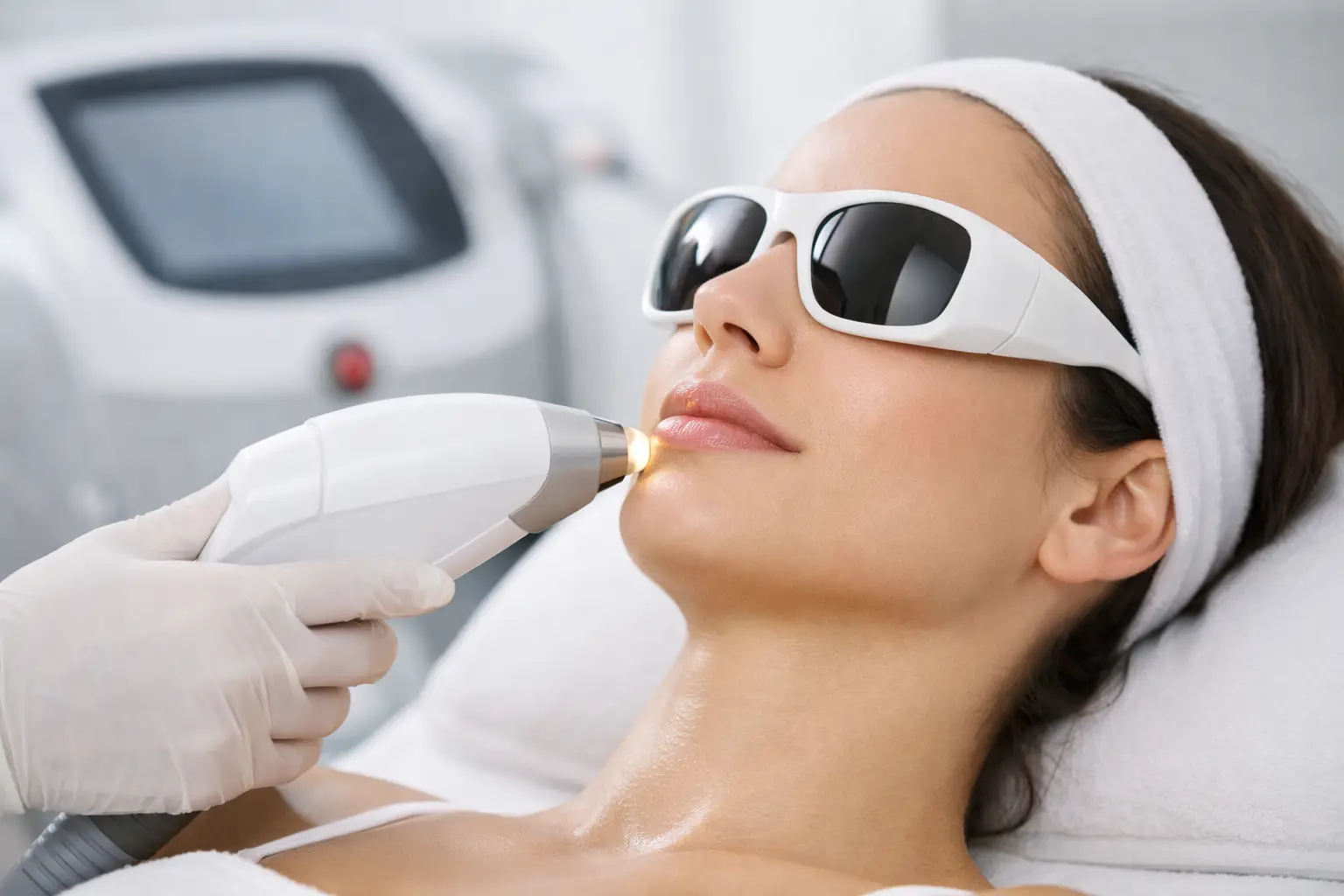
Facial hair can be one of the most frustrating areas to treat because it is visible every day, quick to grow back, and often tied to skin sensitivity. If you are researching how to laser hair removal on face, the first thing to know is that facial treatment is not a one-size-fits-all service. The best results come from matching the right laser, the right settings, and the right treatment plan to your skin tone, hair type, and treatment area.
Laser hair removal on the face works by targeting pigment in the hair follicle with concentrated light energy. That energy converts to heat, which disrupts the follicle’s ability to produce new hair. The goal is long-term hair reduction, not simply removing visible hair at the surface.
On the face, precision matters more than almost anywhere else on the body. Areas like the upper lip, chin, sideburns, jawline, and cheeks can respond well, but each area may behave differently. Hormonal influence, hair density, and skin sensitivity all affect the pace of improvement. That is why a medically informed consultation matters before treatment starts.
A professional provider will evaluate whether the hair is dark enough for laser energy to target effectively, whether your skin tone requires a specific wavelength, and whether any underlying factors could affect your outcome. Facial hair caused by hormones, for example, can still improve with treatment, but it may require a longer plan and maintenance sessions over time.
One of the biggest misconceptions about laser treatment is that all hair can be treated equally well. In reality, the best candidates usually have darker, coarser hair because the laser is drawn to pigment. Fine blond, red, gray, or white hair is much harder to target and may not respond predictably.
That matters on the face because some areas grow coarse hair, while others grow finer fuzz. Upper lip and chin hair often respond better than very light peach fuzz on the cheeks. Treating the wrong type of hair can lead to disappointing results, and in some cases, facial areas require especially thoughtful planning to avoid stimulating hair that was too fine to begin with.
This is where advanced technology and experience make a meaningful difference. A platform like the GentleMax Pro gives providers more flexibility to adjust treatment based on skin type and hair characteristics, which supports both safety and performance. That level of customization is especially valuable on the face, where the margin for error is smaller and visible results matter.
If you want to know how to laser hair removal on face safely, preparation is part of the answer. Before treatment, your provider should review your health history, recent sun exposure, skincare products, medications, and any tendency toward pigmentation issues. This is not just formality. Facial skin is more reactive than many body areas, and treatment should be planned accordingly.
You will usually be asked to avoid tanning and self-tanner before your appointment. Excess pigment in the skin can increase the risk of irritation or uneven response. You should also stop waxing, tweezing, or threading for several weeks before treatment because the follicle needs to be intact for the laser to work. Shaving is typically allowed and often recommended, since it leaves the follicle in place while removing surface hair.
Active exfoliants and retinoids may need to be paused for a few days before facial laser sessions, depending on your skin. That includes products with retinol, prescription retinoids, glycolic acid, salicylic acid, or other strong resurfacing ingredients. Your provider should tell you exactly what to stop and when.
Most patients describe facial laser hair removal as a quick snapping sensation with bursts of heat. The upper lip is often the most sensitive area because the skin is thin and the area is small. The chin and jawline are usually manageable, though sensitivity varies from person to person.
Modern devices can make a noticeable difference in comfort. Cooling technology helps protect the skin while reducing the intensity of treatment. That is one reason premium laser platforms are worth paying attention to. Faster, more advanced systems are not just about convenience. They can also support a more controlled and comfortable experience.
Appointments are usually short. Small facial areas can often be treated in minutes, but quick treatment does not mean casual treatment. Settings should be selected carefully, test responses should be observed, and the treatment approach should reflect the specific area being addressed.
Facial laser hair removal is a process, not a single appointment fix. Hair grows in cycles, and the laser is most effective when hair is in the active growth phase. Because not every follicle is in that phase at the same time, multiple sessions are necessary.
Most patients need a series of treatments spaced several weeks apart. Facial areas sometimes require more sessions than body areas because hormones can keep stimulating new growth, especially on the chin and jawline. Maintenance may also be part of the long-term plan.
That does not mean treatment is ineffective. It means expectations should be realistic. You are typically reducing the amount of hair, slowing regrowth, softening texture, and cutting down the need for constant shaving, tweezing, or waxing. For many patients, that shift alone is significant.
Facial laser treatment can be an excellent option for many skin tones when the correct device and settings are used, but caution is still essential. Darker skin tones need laser wavelengths and protocols that reduce the risk of pigment disruption. Sensitive skin may need a modified treatment approach. Recent sun exposure can change timing. Certain medications can also affect eligibility.
Patients with active breakouts, open skin, infections, cold sores in the treatment area, or recent cosmetic procedures may need to wait. If you have melasma or are prone to post-inflammatory hyperpigmentation, your provider should address that risk directly before moving forward.
This is why choosing a qualified medical spa or laser provider matters. Facial treatment should never feel rushed or generic. A proper plan is designed entirely around you, including your skin history, goals, and response over time.
The skin may look slightly pink or feel warm after treatment, similar to a mild sun-exposed feeling. That usually settles quickly, but aftercare is still important. Gentle skincare, sun protection, and avoiding heat or irritation for the recommended period can support a smoother recovery.
You may notice hairs shedding over the next one to three weeks. That is normal. It does not mean the hair is growing back immediately. It is part of the follicle clearing process after successful treatment.
This is also the time to be patient. Do not wax or tweeze between sessions. Keep the area protected from sun exposure, and follow your provider’s instructions about active products. The face is always exposed, so post-treatment care has a direct effect on both comfort and cosmetic outcome.
When patients compare laser hair removal options, they often focus only on price or package size. On the face, that can be a mistake. Lower-quality devices or less experienced providers may use overly conservative settings that produce minimal change, or overly aggressive settings that increase risk.
Advanced, FDA-approved technology gives skilled providers more control over treatment depth, pulse duration, and energy delivery. That matters for safety across a wider range of skin tones and for consistent results in delicate facial areas. Just as important, an experienced provider knows when to adjust the plan, when to slow down, and when a patient may need a different strategy.
For clients in Scottsdale, Phoenix, Cave Creek, and Fountain Hills who want a more refined treatment experience, this level of personalization is often what separates average results from visible, confidence-building improvement.
For the right candidate, yes. If you are tired of daily maintenance, irritation from shaving, ingrown hairs, or the constant cycle of tweezing and waxing, laser treatment can offer a much cleaner long-term solution. The key is approaching it with realistic expectations and the right provider.
Facial hair can be influenced by biology, age, and hormones, so the best treatment plans are built with that in mind. At Laser Aesthetics, that means combining advanced laser technology with customized settings and expert evaluation rather than treating every face the same way.
The most helpful place to start is not with a package. It is with a clear assessment of your skin, your hair, and what kind of result is actually achievable. When treatment is planned thoughtfully, facial laser hair removal can feel less like a cosmetic gamble and more like a smart, measured step toward easier mornings and more confident skin.

Read a laser hair removal packages review that explains session counts, technology, costs, safety, and how to choose a plan designed for lasting smoothness.

Compare the best options for body sculpting, from noninvasive fat reduction to muscle toning, and choose a personalized treatment plan with confidence.

Compare the best loose neck treatments, from RF tightening and microneedling to resurfacing, with guidance for choosing the right non-surgical plan today.
Monday: 9 AM–7 PM
Tuesday: 9 AM–5 PM
Wednesday: 9 AM–7 PM
Thursday: 9 AM–5 PM
Friday: 9 AM–4 PM
Saturday: 9 AM–4 PM
Sunday: 9 AM–2 PM