
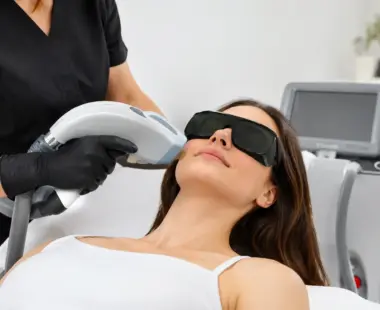
What a GentleMax Pro Experience Really Feels Like
A GentleMax Pro experience combines tailored laser settings, built-in cooling, and expert care for smoother skin with less disruption to your schedule.
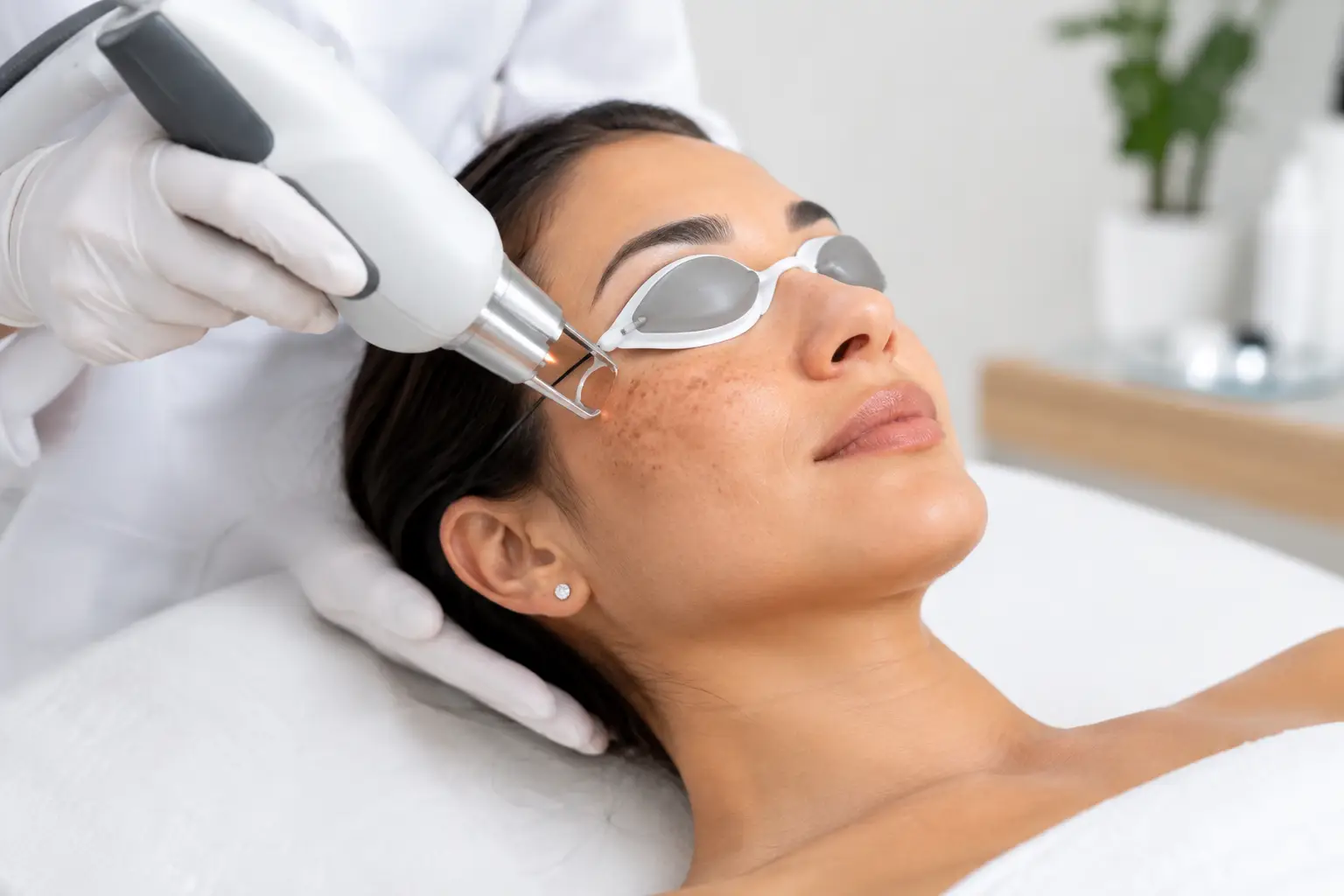
A cluster of brown spots along the cheekbones can make skin look less even even when texture is smooth and skincare is consistent. The best laser treatments for pigmentation are not determined by the darkest spot alone. They depend on what created the discoloration, how deeply it sits in the skin, your natural skin tone, and how much downtime fits your life.
For Scottsdale and Phoenix-area clients, sun exposure is often part of the picture. Years of UV exposure can bring out sun spots, freckles, and uneven tone, while hormones, inflammation, acne, and certain medications can create different pigmentation patterns that need a more measured approach. A personalized consultation is the right place to start because treating the wrong type of pigment too aggressively can lead to irritation or rebound discoloration.
Pigmentation is not one concern. Sun spots, also called solar lentigines, tend to be individual, well-defined brown marks caused by cumulative sun exposure. Freckles are often genetic and can darken quickly after time outdoors. Post-inflammatory hyperpigmentation may appear after acne, an injury, or a cosmetic treatment. Melasma usually presents as larger, symmetrical patches across the cheeks, forehead, upper lip, or jawline and is strongly influenced by hormones, heat, and UV exposure.
Lasers and light-based devices work by directing energy toward pigment. The pigment absorbs that energy, breaks into smaller particles, and is gradually cleared by the body. Yet that simple explanation does not make every device right for every concern. The same heat that helps lift a sun spot can aggravate melasma or post-inflammatory hyperpigmentation when settings are not selected with care.
Your provider should assess the pattern of discoloration, recent sun exposure, skincare products, history of melasma, and Fitzpatrick skin type. This is especially important for medium to deep skin tones, which can be more susceptible to temporary darkening when treatment is too aggressive. Precision is not a luxury with pigment correction. It is the foundation of safe, natural-looking improvement.
Intense pulsed light, often called IPL or photofacial treatment, is not technically a laser. It uses broad-spectrum light to target visible brown and red discoloration across larger areas, making it a strong option for fair to medium skin tones with diffuse sun damage, freckles, facial redness, or scattered spots.
After IPL, pigment may temporarily look darker before it flakes away or fades over the following days. A series of treatments is often recommended for more even correction. IPL can be highly effective when the concern is photoaging, but it is not automatically the first choice for deeper skin tones or active melasma. A careful evaluation matters more than a one-size-fits-all promise.
Q-switched and picosecond lasers deliver energy in extremely short pulses. That speed helps shatter concentrated pigment while limiting heat spread into surrounding tissue. These treatments can be excellent for distinct sun spots, age spots, freckles, and some tattoo pigment.
The trade-off is that individual spots may need targeted treatment and repeat sessions. They are also not a substitute for daily sun protection. New sun spots can develop after successful treatment if UV exposure continues without consistent SPF, hats, and shade when possible.
An Nd:YAG laser, particularly at 1064 nm, reaches deeper into the skin and is less absorbed by surface melanin than some shorter wavelengths. This can make it a valuable option for clients with olive, brown, or deeper skin tones when performed by an experienced provider using conservative, customized settings.
GentleMax Pro technology includes an Nd:YAG wavelength and advanced cooling designed to support precise, comfortable laser treatment. For pigmentation, the benefit is not simply the device name. It is the clinical judgment behind wavelength selection, energy level, spot size, cooling, and treatment spacing. Those decisions protect the skin barrier while moving toward clearer, more even tone.
When discoloration appears alongside fine lines, enlarged pores, acne scarring, or rough texture, fractional non-ablative resurfacing may be the more complete option. Rather than treating only visible brown spots, fractional energy creates controlled microscopic treatment zones that encourage collagen renewal and gradual skin remodeling.
Results build over a series, and recovery is usually milder than with ablative resurfacing. Expect temporary redness, warmth, and a sandpaper-like feel as skin renews. This option can improve overall clarity and radiance, but it should be approached carefully in clients prone to post-inflammatory hyperpigmentation. Pre-treatment skincare and conservative settings may be part of the plan.
Melasma deserves its own conversation because it is not simply a collection of brown spots. It is a chronic, reactive condition that may improve with treatment and return with sun exposure, heat, hormonal shifts, or inflammation. More energy is not always better.
For many clients, the most successful approach begins with pigment-stabilizing skincare, strict broad-spectrum sunscreen use, and strategies to minimize heat triggers. Selective laser or light treatments may have a role, but they should be used thoughtfully and often at lower settings over multiple visits. If melasma is active or easily triggered, a provider may recommend preparing the skin first rather than scheduling a high-intensity treatment immediately.
This is where honest guidance makes a difference. The goal is not a dramatic one-day change that risks a setback. It is steady correction with a plan designed to preserve results.
Most pigment treatments create visible changes gradually. Sun spots may darken, develop a peppered appearance, and shed within one to two weeks. With fractional resurfacing, skin may look flushed for several days and continue improving as collagen remodels over the weeks ahead. Multiple sessions are common, especially for widespread discoloration or mixed concerns.
Downtime varies by treatment intensity, skin sensitivity, and the area treated. A targeted spot treatment may be easy to fit into a busy schedule, while a resurfacing session may call for a few quieter days before social events. Your provider can help you choose a treatment schedule that respects both your skin goals and your calendar.
Avoid picking or exfoliating flaking pigment. Use gentle cleanser, moisturizer, and the aftercare products recommended for your treatment. Most importantly, protect treated skin from the Arizona sun. Even brief exposure can interfere with healing and encourage new pigmentation.
The best device in inexperienced hands is not the best treatment. Look for a medical aesthetics provider who evaluates skin tone, pigment type, treatment history, and lifestyle before recommending a service. Ask whether the proposed modality is designed for your concern, what changes are realistic, how many sessions may be needed, and what the plan is if your skin is prone to hyperpigmentation.
At Laser Aesthetics, treatment planning is designed entirely around your skin, not a preset menu. Advanced technology, individualized settings, and attentive aftercare work together to help clients pursue brighter, more even-looking skin with confidence.
Clearer skin is possible, but lasting results are built in partnership with your daily habits. The right treatment can fade what is already visible. Consistent sun protection and a thoughtful maintenance plan help protect the radiance you worked to achieve.

A GentleMax Pro experience combines tailored laser settings, built-in cooling, and expert care for smoother skin with less disruption to your schedule.

A guide to scalp hair restoration explains causes of thinning, treatment options, candidacy, timelines, and how personalized plans support fuller hair.
Laser facial downtime varies by treatment. Learn what redness, peeling, and recovery may look like, plus how personalized aftercare supports results safely.
Monday: 9 AM–7 PM
Tuesday: 9 AM–5 PM
Wednesday: 9 AM–7 PM
Thursday: 9 AM–5 PM
Friday: 9 AM–4 PM
Saturday: 9 AM–4 PM
Sunday: 9 AM–2 PM