

Best Laser for Dark Skin and Safer Hair Removal
Searching for the best laser for dark skin? Learn why Nd:YAG technology, expert settings, and a personalized plan make safer hair removal possible today.
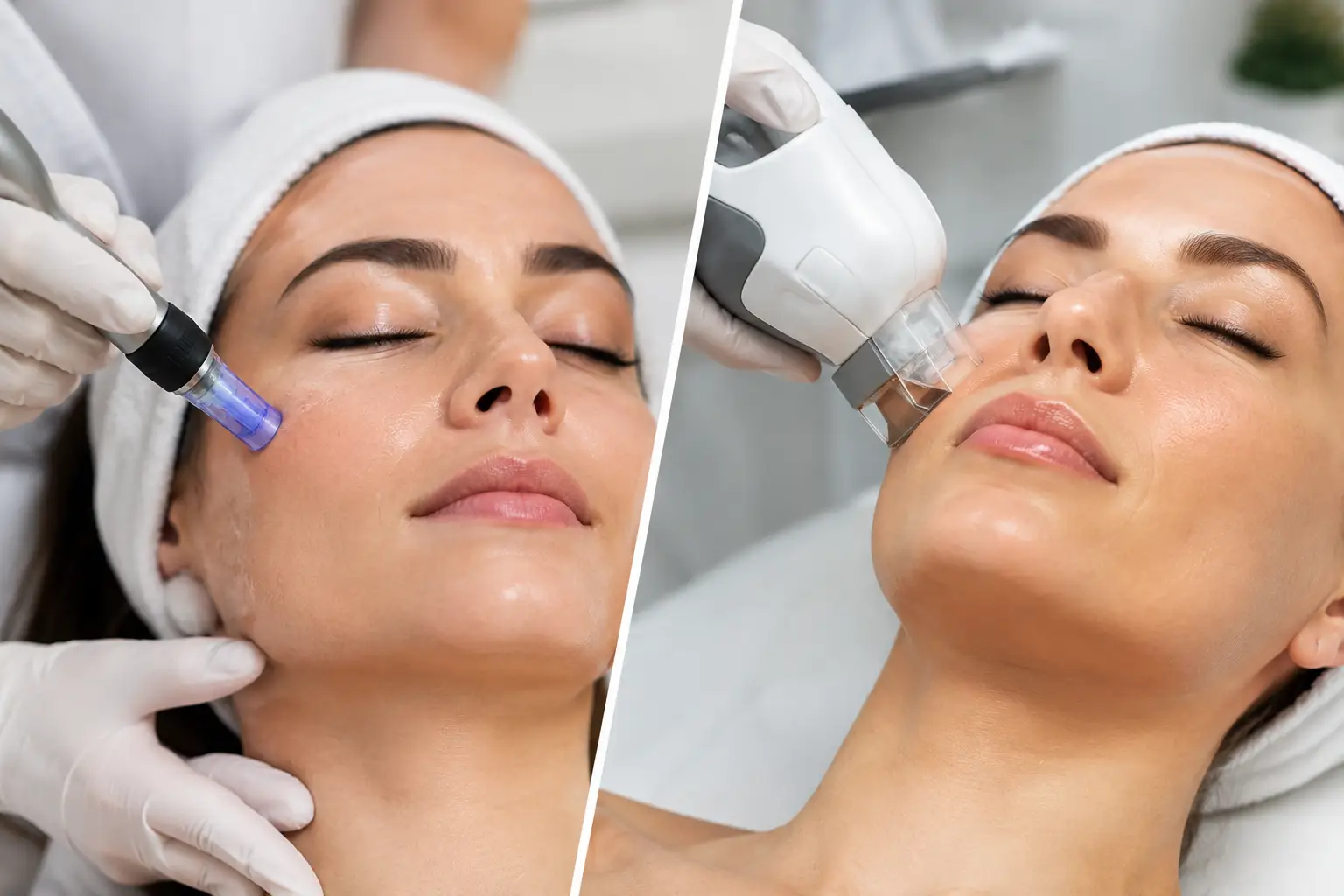
A close look in the mirror can reveal more than one concern at once: enlarged pores around the nose, acne scarring along the cheeks, fine lines near the eyes, and uneven pigment from years of Arizona sun exposure. That is why microneedling versus resurfacing is not a simple question of which treatment is better. It is about identifying what your skin needs most, how much downtime fits your schedule, and which technology can safely deliver meaningful improvement.
Both treatments support firmer, smoother, more radiant-looking skin without surgery. They work differently, however, and that difference matters when creating a plan designed entirely around you.
Microneedling is a collagen-induction treatment. A professional device creates controlled microchannels in the skin, triggering the body’s natural repair response. As the skin rebuilds, it produces new collagen and elastin – two structural proteins that help skin appear smoother, stronger, and more refined.
Laser skin resurfacing uses precisely delivered light energy. With fractional non-ablative resurfacing, the laser creates targeted zones of heat beneath the skin’s surface while leaving surrounding tissue intact. This process stimulates collagen remodeling and can address visible discoloration, uneven texture, and early signs of skin aging with a customized level of intensity.
In practical terms, microneedling relies on controlled mechanical stimulation. Resurfacing relies on controlled thermal stimulation. Both can improve texture and support collagen production, but their strengths are not identical.
Microneedling is often an excellent choice for clients whose primary concern is skin texture. It can be especially useful for the appearance of acne scars, enlarged pores, fine lines, and mild laxity. Because treatment depth can be adjusted by area, a skilled provider can work differently around delicate facial zones than on thicker skin along the jawline or cheeks.
It is also a popular option for people seeking a lower-downtime collagen treatment. Most clients experience temporary redness, warmth, and mild swelling similar to a moderate sunburn. These effects commonly settle within a few days, although the skin may feel dry or slightly rough as it recovers. Makeup, workouts, direct heat, and active skincare products should be paused according to your provider’s aftercare instructions.
Microneedling does not remove the surface layer of skin in the way an ablative laser can. That makes it a compelling option for clients who want gradual, natural-looking improvement with a treatment that can be repeated as part of an ongoing skin-quality plan.
The trade-off is that microneedling is not usually the first choice for prominent sun spots, widespread redness, or more significant pigment irregularities. It can improve overall texture and radiance, but it may not deliver the same targeted response for color-related concerns as a customized laser treatment.
Skin often looks refreshed after the initial recovery period, but collagen remodeling takes time. Most visible changes develop gradually over several weeks, with continued improvement as the skin produces new supportive tissue. A series of treatments is commonly recommended for acne scarring, pore refinement, or more established texture concerns.
The goal is not to change your face. It is to help your skin look smoother, healthier, and more even while preserving your natural features.
Fractional non-ablative laser resurfacing is often chosen for clients who want to address both texture and tone. It can be particularly effective for dullness, fine lines, sun-related pigmentation, uneven skin tone, and mild-to-moderate textural irregularities. For Scottsdale and Phoenix-area clients, this matters because cumulative UV exposure can make discoloration and uneven tone a persistent concern.
A fractional laser allows for a high degree of customization. Your provider can adjust treatment settings based on your skin type, goals, treatment area, and ability to accommodate recovery time. This precision is central to safe, effective care. A treatment should never be selected based on a trend or a friend’s results alone.
Non-ablative resurfacing generally involves less downtime than more aggressive ablative laser procedures, but it may still create redness, swelling, and a bronzed or sandpaper-like texture during recovery. Some clients also notice temporary darkening of pigment before it fades. Depending on treatment intensity, social downtime can range from a few days to about a week.
Resurfacing may be the stronger choice when pigment is a major part of the picture. It can also be appealing when fine lines, early skin laxity, and rough texture occur together. The heat delivered by the laser is designed to initiate collagen renewal beneath the surface, helping skin become more refined over time.
Many clients notice a clearer, brighter appearance after the skin has recovered. The more meaningful collagen changes continue to develop over the following weeks and months. For concerns such as sun damage or fine lines, a series may be recommended, though the appropriate number of sessions depends on the condition being treated and the settings used.
Sun protection is essential after any resurfacing treatment. Freshly treated skin is more vulnerable to UV exposure, and consistent use of broad-spectrum sunscreen helps protect your investment while reducing the risk of future discoloration.
The best treatment begins with the concern you want to improve first. If acne scars, enlarged pores, or uneven texture are your priority, microneedling may be a highly effective starting point. If you are equally concerned with pigmentation, sun damage, and overall tone, fractional non-ablative resurfacing may offer a more direct path.
Your skin tone and history matter as well. Clients with deeper skin tones or a history of post-inflammatory hyperpigmentation need thoughtful assessment and conservative, expert-selected settings. Not every laser or intensity is appropriate for every complexion. A professional consultation should include a review of your skin history, sensitivity, current skincare routine, medications, prior treatments, and tendency toward discoloration or scarring.
Timing can shape the decision, too. Microneedling may suit a client who needs to return to meetings or events quickly. Resurfacing can require more visible recovery, but that trade-off may be worthwhile for someone seeking broader improvement in tone and sun-related changes.
Cost should be considered in terms of a complete plan rather than a single appointment. Some concerns respond best to a series, and some clients benefit from alternating treatments across the year. A personalized plan can prioritize the treatment with the best potential return for your skin rather than promising that one modality can solve every concern.
In many cases, yes – but not during the same appointment unless a provider specifically recommends a protocol designed for that purpose. More often, treatments are strategically spaced to allow complete healing and collagen remodeling between sessions.
For example, a client may begin with resurfacing to address uneven pigment and photodamage, then use microneedling later to focus on residual texture or acne scarring. Another client may use microneedling as a maintenance treatment between laser sessions. The sequence depends on your skin’s condition, your response to treatment, and your desired timeline.
What should never be combined is an aggressive treatment approach with rushed planning. Over-treating compromised skin can increase irritation, prolong redness, and raise the chance of unwanted pigment changes. Precision is more valuable than intensity for its own sake.
A quality consultation is not simply a choice between two menu items. It should involve close skin assessment, a clear discussion of your goals, and honest expectations about recovery and results. At Laser Aesthetics, advanced treatment technology is paired with personalized planning so the recommendation reflects your skin, not a one-size-fits-all protocol.
Be prepared to discuss recent sun exposure, tanning products, retinoids, exfoliating acids, active breakouts, cold sores, pregnancy status, and medications that can affect healing. Your provider may recommend pausing certain products before treatment or delaying a procedure until the skin is calm and ready.
The right choice is the one that respects your skin’s biology while moving you toward visible, confidence-building improvement. Whether that means microneedling, fractional resurfacing, or a carefully timed combination, your treatment plan should leave room for healthy healing and results that continue to look like you – only more refreshed.
Searching for the best laser for dark skin? Learn why Nd:YAG technology, expert settings, and a personalized plan make safer hair removal possible today.
Learn how GentleMax Pro targets unwanted hair, pigmentation, and skin concerns with personalized settings, comfort, precision, and care. For visible results.
What causes laser hair regrowth after treatment? Learn how cycles, hormones, settings, and rare stimulation can affect your long-term results safely today.
Monday: 9 AM–7 PM
Tuesday: 9 AM–5 PM
Wednesday: 9 AM–7 PM
Thursday: 9 AM–5 PM
Friday: 9 AM–4 PM
Saturday: 9 AM–4 PM
Sunday: 9 AM–2 PM