
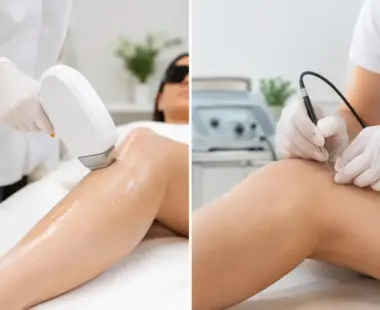
Laser Hair Removal Versus Electrolysis: Which Works?
Compare laser hair removal versus electrolysis, including results, comfort, cost, skin tone, and treatment time, to choose the right approach for you.

A stubborn lower abdomen, softening jawline, thigh texture that shows through fitted clothing – body concerns rarely fit into one simple category. That is why knowing how to choose body contouring starts with more than asking which treatment is most popular. The right option depends on what is creating the concern: localized fat, loose skin, cellulite, reduced muscle definition, or a combination of several factors.
Non-surgical body contouring can refine areas that have not responded the way you hoped to exercise and healthy habits. It is not a substitute for weight loss or a one-size-fits-all procedure. A thoughtful treatment plan should be designed around your anatomy, skin quality, lifestyle, and the level of change you want to see.
“Body contouring” is a broad term. Before comparing devices or packages, get specific about what you would like to improve. A person who wants a more defined waist may need a different approach than someone focused on crepey upper-arm skin or visible cellulite on the backs of the thighs.
Localized fat is often described as a pinchable pocket that remains despite stable weight and regular activity. In this case, treatments designed to reduce fat cells may be appropriate. These options can improve proportion and definition in areas such as the abdomen, flanks, thighs, upper arms, back, or under the chin, depending on the technology and your candidacy.
If the skin itself feels loose, thin, or less firm, skin-tightening technology may be the better starting point. Radiofrequency and laser-based treatments use controlled energy to support collagen remodeling over time. The visible change is often more gradual than a dramatic, immediate transformation, but it can be meaningful for clients seeking a smoother, firmer appearance without surgery.
Cellulite deserves its own category. It is not simply excess fat. The dimpled texture is influenced by fibrous bands beneath the skin, skin thickness, and fat distribution. A fat-reduction treatment alone may not improve cellulite as much as you expect. A personalized plan may instead prioritize cellulite reduction, collagen support, or a combination of treatments.
The most effective decision is usually based on the tissue being treated, not the marketing name of the procedure. During a professional consultation, ask your provider to explain what they see and why a recommended technology fits that concern.
Non-surgical fat reduction is generally best for people who are near a stable, healthy weight and want refinement rather than major weight reduction. Results develop as the body processes treated fat cells, which means patience is part of the process. Depending on the area, starting volume, and device, more than one session may be recommended.
Be realistic about the scale of improvement. Non-surgical contouring can create a noticeable change in shape, but it will not reproduce the result of liposuction. For the right candidate, that trade-off can be worthwhile: less downtime, no surgery, and a treatment experience designed to fit into a busy schedule.
Skin laxity becomes more common with age, weight changes, pregnancy, and natural collagen loss. Energy-based tightening treatments can be an excellent choice for mild to moderate laxity, particularly when you want improvement without incisions or a long recovery period.
These treatments work gradually because collagen response takes time. Some clients see an early improvement, while the best results may continue to develop over several weeks or months. Significant excess skin may require a surgical conversation instead. An experienced provider will be direct about that distinction rather than promising more than non-surgical technology can deliver.
A smooth-looking thigh or buttock area is not always about reducing size. Cellulite treatments may focus on improving circulation, supporting collagen, and addressing the structural contributors to dimpling. Results vary based on the severity of cellulite, skin laxity, and consistency with the recommended series.
If cellulite is your main concern, ask to see before-and-after photos of clients with a starting point similar to yours. Photos should be taken with consistent lighting, pose, and angle. That is a more useful benchmark than a heavily filtered image or an unrealistic promise of perfectly smooth skin.
Some technologies are designed to stimulate muscle contractions, while others focus primarily on fat or skin. If your goal is a more athletic-looking abdomen, firmer glutes, or added definition in a specific area, ask whether muscle stimulation is included in the plan. It may be a helpful complement, but it should not replace movement, strength training, or nutrition that supports your goals.
Your calendar matters. If you are planning for a wedding, vacation, milestone birthday, or professional event, schedule a consultation early. Non-surgical body contouring often requires a series of treatments and time for the body to respond.
Many treatments allow you to return to normal activities quickly, but “minimal downtime” does not mean there are no side effects. Temporary redness, tenderness, swelling, bruising, or sensitivity can occur, depending on the technology used and treatment area. Ask what the first 24 to 72 hours typically feel like, when you can resume exercise, and whether there are any garment or aftercare requirements.
A provider should also be clear about when to expect visible results. Immediate tightening may occur with some technologies, while fat reduction and collagen remodeling usually unfold more slowly. Choosing a treatment because it is fast is understandable, but choosing one that matches your tissue concern is more likely to lead to satisfaction.
Advanced technology matters, but the device alone does not create the result. A high-quality body contouring experience combines appropriate technology, correct treatment settings, skilled application, and a provider who understands how to assess the body from multiple angles.
Ask whether the technology is FDA-cleared or FDA-approved for its intended use, and ask what that specific clearance or approval covers. Those terms should not be used as a blanket guarantee of outcomes. Your provider should also explain how they determine settings for your body, skin type, comfort level, and treatment goals.
At Laser Aesthetics, individualized planning is central to every body-focused treatment. A consultation should feel collaborative, not rushed. You should leave understanding the recommendation, the expected treatment series, the likely outcome, and the alternatives if the treatment is not the best fit.
A lower price can be appealing, especially when body contouring packages are involved. But the cheapest offer is not always the best value if it leaves out a thorough assessment, uses outdated equipment, or relies on a generic protocol for every client.
Look for a medical aesthetics practice that evaluates your health history, medications, prior procedures, skin condition, and any implanted devices or conditions that could affect candidacy. Certain treatments may not be appropriate during pregnancy, with active skin infections, or for clients with particular medical concerns. A responsible provider will screen carefully and recommend a physician consultation when needed.
It is also reasonable to ask who performs the treatment, how much experience they have with the technology, and what steps they take if you are uncomfortable during the session. Professional expertise is especially valuable in areas where skin quality, body shape, or sensitivity requires more precise treatment planning.
Body contouring results are easiest to protect when your weight remains relatively stable. Treated fat cells can be reduced, but remaining fat cells can still enlarge with weight gain. Skin also continues to age, and cellulite can change over time.
That does not make treatment temporary or pointless. It simply means a strong plan includes realistic maintenance. Hydration, regular movement, strength training, nutrition, and periodic skin-support treatments can help you maintain the refined, confident look you worked toward. Memberships or treatment packages can make ongoing care more approachable when they are built around your actual goals rather than services you do not need.
Before scheduling, make sure you can answer a few practical questions: What concern is this treatment targeting? Why is it a match for my body and skin? How many sessions are likely needed? What results are realistic for me? What will recovery feel like, and what is the total investment?
You should never feel pressured to decide before those answers are clear. The best body contouring plan is not necessarily the most intensive option. It is the one that respects your anatomy, your schedule, your comfort, and your definition of confidence.
A great consultation should leave you feeling informed, not sold to. When the technology, provider expertise, and treatment plan all align with your goals, body contouring becomes a precise way to enhance your natural shape – on your terms.
Compare laser hair removal versus electrolysis, including results, comfort, cost, skin tone, and treatment time, to choose the right approach for you.
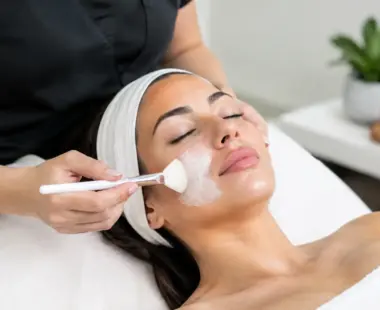
Compare the best facial treatments Scottsdale clients choose for brighter, smoother skin, with custom plans, advanced technology, and minimal downtime.

Learn who is a good candidate for body contouring, what to expect from non-surgical treatment, and how a personalized plan can refine your shape safely.
Monday: 9 AM–7 PM
Tuesday: 9 AM–5 PM
Wednesday: 9 AM–7 PM
Thursday: 9 AM–5 PM
Friday: 9 AM–4 PM
Saturday: 9 AM–4 PM
Sunday: 9 AM–2 PM