

RF Versus Surgical Facelift: Which Fits You?
RF versus surgical facelift: compare lifting power, downtime, longevity, and candidacy to choose a personalized path to firmer, more youthful-looking skin.
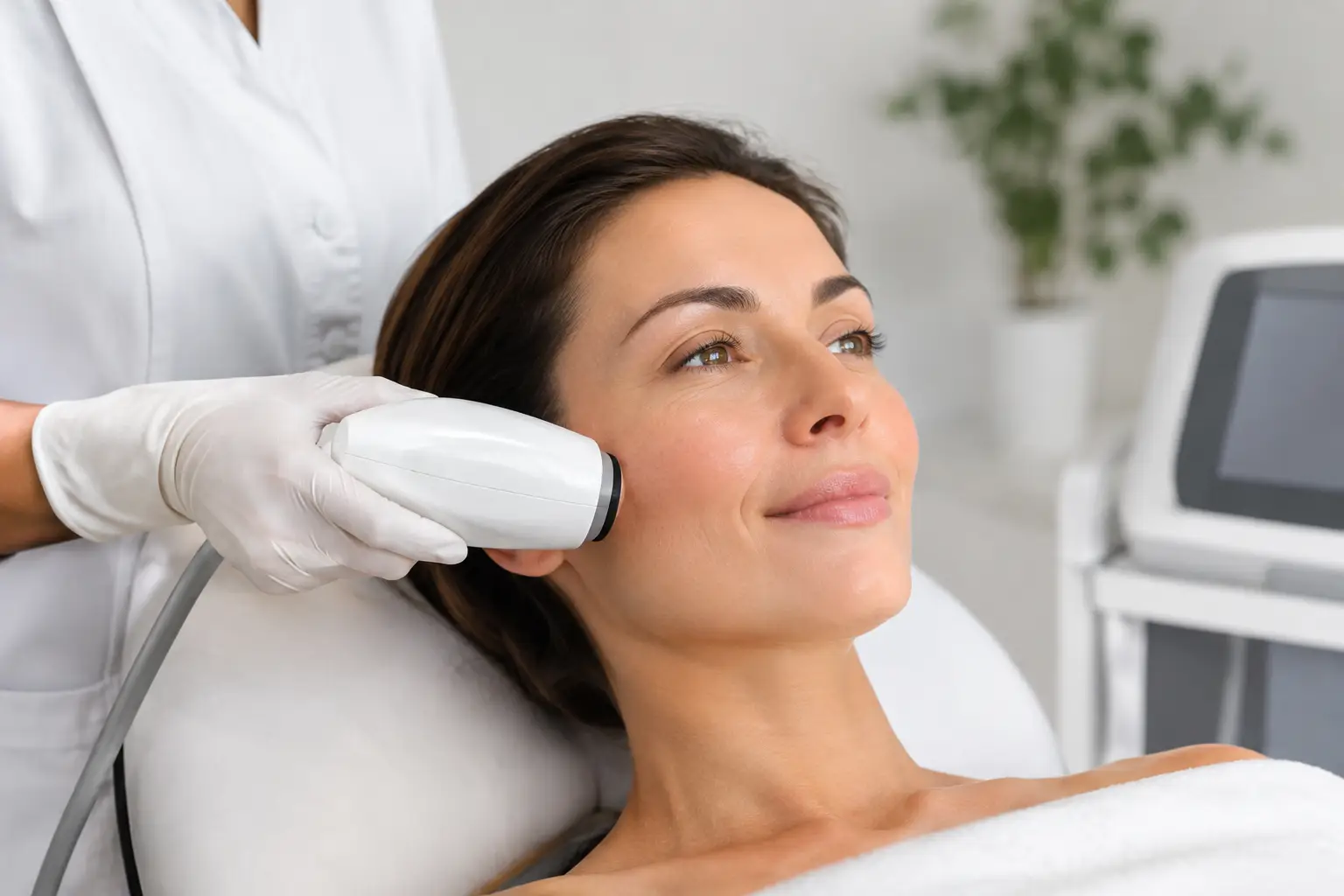
A changing jawline in photos, skin that looks less firm after weight loss, or fine lines that linger after a good night’s sleep can all prompt the same question: am I one of the right RF tightening candidates? Radiofrequency skin tightening is designed for people who want visible improvement in skin laxity and texture without surgery or an extended recovery period. The best results come from matching the treatment to your skin, goals, and starting point rather than applying a one-size-fits-all protocol.
At Laser Aesthetics, every treatment plan is designed entirely around you. That means looking beyond a single concern and considering skin quality, degree of laxity, lifestyle, and the level of change you want to achieve.
RF skin tightening uses controlled radiofrequency energy to warm targeted layers of the skin. This heat supports collagen remodeling, a process that can improve the appearance of mild to moderate laxity over time. As collagen fibers contract and the body produces new collagen, treated skin may look firmer, smoother, and more refined.
The treatment is often selected for the face, neck, jawline, abdomen, arms, thighs, and other areas where skin has begun to lose some of its youthful resilience. It can also complement other aesthetic services when concerns include texture, fine lines, enlarged pores, or uneven skin quality.
RF is not a surgical facelift, neck lift, or body lift. It does not remove significant excess skin or reposition deeper tissue. For the right person, however, it offers a meaningful middle ground between topical skin care and invasive procedures.
The strongest RF tightening candidates generally have mild to moderate skin laxity and realistic expectations about gradual improvement. They may notice early jowling, crepey texture around the knees or upper arms, loose-looking abdominal skin after pregnancy or weight changes, or a jawline that has become less defined.
Age matters less than skin condition. Many clients begin RF treatments in their late 20s or 30s as a proactive collagen-supporting option. Others in their 40s, 50s, and beyond use RF to address visible changes in firmness while avoiding surgery. A healthy 55-year-old with mild laxity may be an excellent candidate, while a younger person with substantial skin laxity after major weight loss may need a different approach.
Ideal candidates also understand that collagen remodeling takes time. Some people notice a refreshed look shortly after treatment, often related to temporary tissue contraction and hydration. The more meaningful changes develop gradually over the following weeks and months as the skin responds to the treatment plan.
RF is particularly appealing for clients who want to look like themselves, only more rested and refined. The goal is not an overdone change. It is improved skin quality, a firmer appearance, and greater confidence in the way skin looks without filters or heavy makeup.
This makes RF a strong option for professionals and socially active clients who prefer little to no downtime. Depending on the technology and treatment area, there may be temporary warmth, redness, or mild swelling, but most people can return to normal routines quickly.
A stable weight helps create a more predictable treatment outcome, especially for body areas. Future weight fluctuations can affect skin laxity and contour after an RF series. Consistent hydration, sun protection, balanced nutrition, and a thoughtful skin care routine also support the quality of the skin being treated.
RF does not require perfection. It simply performs best when it is part of an ongoing investment in skin health rather than a last-minute substitute for long-term care.
A responsible consultation should identify when another treatment, or a combination plan, is likely to provide a better result. Clients with pronounced sagging, heavy jowls, or a significant amount of excess skin may not see the level of lifting they expect from RF alone. Surgical consultation may be more appropriate when tissue repositioning or skin removal is the true goal.
RF may also be postponed for people who are pregnant, have an active skin infection or open wound in the treatment area, or have certain implanted electronic devices. A complete health history is essential. Specific eligibility can vary by device, treatment area, and medical history, so this is never a decision to make based on a social media post or before-and-after photo alone.
Clients with very active acne, inflammatory skin conditions, recent procedures, or a history of unusual scarring may need a modified plan. In some cases, calming the skin first or selecting a different modality is the safer, more effective path.
Premium RF technology matters, but results are shaped by how thoughtfully it is used. Energy settings, number of passes, treatment spacing, and the combination of services should be selected based on your skin rather than copied from another client’s plan.
During a personalized consultation, an experienced provider should assess the treatment area in motion and at rest. Skin thickness, elasticity, volume loss, pigmentation concerns, and facial or body anatomy all influence the recommendation. For example, a client whose lower face looks loose because of volume loss may benefit from a different strategy than someone whose concern is primarily skin laxity.
This is also the time to talk honestly about your timeline. If you are preparing for a wedding, reunion, or professional event, RF may be a smart component of your plan, but it should be scheduled early enough for collagen remodeling to occur. The best treatment timing is rarely the week before a major occasion.
Skin concerns do not always fit neatly into one category. Laxity may appear alongside sun damage, rough texture, fine lines, pigmentation, or cellulite. For that reason, RF tightening candidates often benefit from a customized plan that combines complementary treatments over time.
Microneedling or fractional non-ablative resurfacing may be considered when texture and fine lines are a primary concern. A YAG laser facial can support a brighter, more refreshed appearance for appropriate skin types and goals. Body contouring or cellulite reduction may be added when the desired outcome includes smoother-looking body skin as well as improved firmness.
Combination care should not mean adding treatments simply to add treatments. It should mean choosing services with distinct roles, spacing them appropriately, and measuring progress against a clear goal. A strategic plan is often more cost-effective and more satisfying than a series of disconnected appointments.
The right expectation is improvement, not replacement of surgery. RF can help skin look tighter, smoother, and more resilient, but the degree of visible change depends on the starting level of laxity, the area treated, your collagen response, and whether you complete the recommended series.
Many clients need multiple sessions for optimal results. Your provider may recommend maintenance treatments as part of a long-term approach to skin quality, particularly as natural collagen production continues to change with age. Photos taken in consistent lighting can be useful for tracking gradual progress, since daily mirror checks can make subtle improvements harder to recognize.
Results also depend on aftercare. Follow post-treatment instructions, protect treated skin from excessive sun exposure, and use sunscreen consistently. If your provider recommends a skin care regimen, using it as directed can help preserve the polished, healthy appearance you are working toward.
Before choosing RF, ask what technology will be used, why it is appropriate for your concern, how many sessions are likely recommended, and what level of improvement is realistic for your skin. Ask about comfort measures, expected downtime, side effects, and whether photos will be taken to assess progress.
It is equally valuable to ask what the provider would recommend if RF is not your best option. A trustworthy aesthetic practice is focused on the treatment that fits your goals, not on forcing every concern into the same service.
If you want firmer-looking skin without putting your life on pause, a personalized RF consultation can provide the clarity you need. The most rewarding results begin with an honest assessment, advanced technology, and a plan built for the skin you have today and the confidence you want to carry forward.

RF versus surgical facelift: compare lifting power, downtime, longevity, and candidacy to choose a personalized path to firmer, more youthful-looking skin.

Our cellulite treatment review explains why dimpling forms, which options can improve it, and how personalized care supports smoother-looking skin over time.

Learn how to improve cellulite appearance with lifestyle habits and advanced non-surgical treatments designed for smoother, firmer-looking skin with care.
Monday: 9 AM–7 PM
Tuesday: 9 AM–5 PM
Wednesday: 9 AM–7 PM
Thursday: 9 AM–5 PM
Friday: 9 AM–4 PM
Saturday: 9 AM–4 PM
Sunday: 9 AM–2 PM