
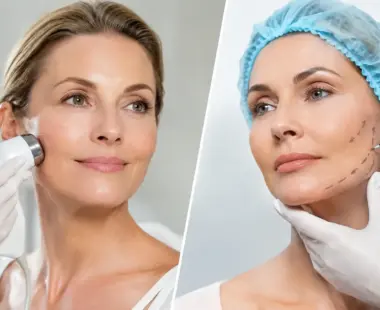
RF Versus Surgical Facelift: Which Fits You?
RF versus surgical facelift: compare lifting power, downtime, longevity, and candidacy to choose a personalized path to firmer, more youthful-looking skin.
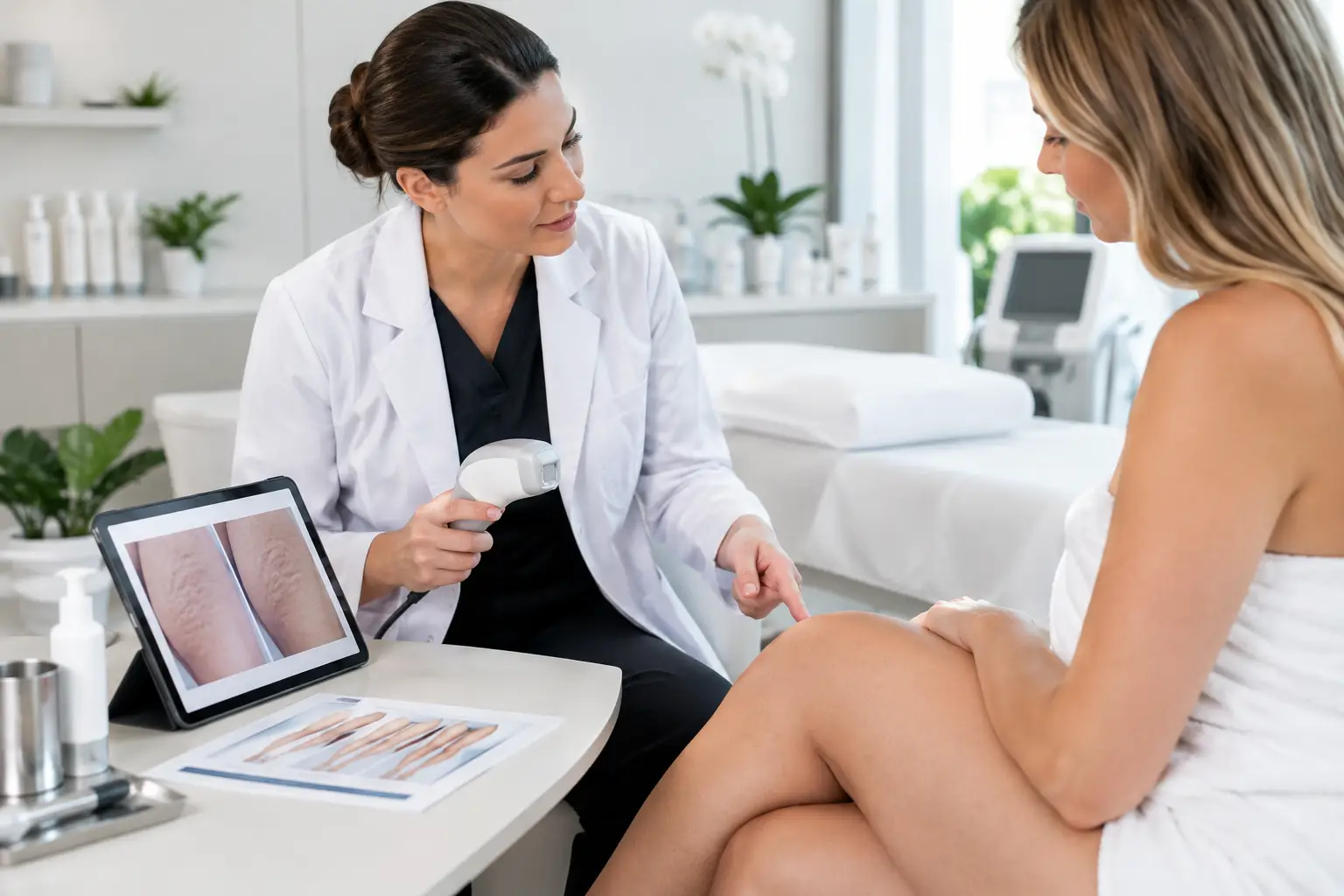
Cellulite can look different from one area of the body to the next, and so can the right approach to improving it. A thoughtful cellulite treatment review should go beyond dramatic before-and-after photos and focus on what creates dimpling, which technologies are appropriate for your skin and goals, and how results are maintained. For most people, meaningful improvement comes from a customized treatment plan, not a single appointment or a one-size-fits-all promise.
Cellulite is extremely common. It affects people at many body sizes and fitness levels, most often on the thighs, buttocks, hips, and abdomen. It is not a sign that you have done anything wrong. It is a structural concern beneath the skin, which is why topical products and aggressive workouts may support overall skin health but rarely resolve visible dimpling on their own.
The familiar dimpled appearance develops when fibrous connective bands pull the skin downward while underlying fat presses upward. Genetics, hormones, skin thickness, natural aging, and changes in weight can all influence how visible it becomes. As collagen and elastin decline over time, the skin may have less firmness to smooth the contours beneath it.
That structure matters when evaluating treatment options. A moisturizer can temporarily hydrate the surface, and massage may create a short-lived improvement in circulation or puffiness. Neither typically changes the tethering beneath the skin. Treatments designed to support collagen remodeling, improve skin firmness, or address body contour concerns can offer more visible, longer-lasting improvement when selected carefully.
The most credible treatments do not promise perfectly smooth skin. They aim to reduce the appearance of dimpling, create a firmer-looking texture, and help the treatment area look more refined in clothing, swimwear, and everyday movement. The degree of improvement depends on the type and severity of cellulite, skin laxity, anatomy, and the technology used.
Radiofrequency treatments deliver controlled heat into targeted tissue to support collagen production and improve skin firmness. For cellulite that appears more visible because the skin has lost elasticity, this can be a valuable non-surgical option. Treatments are generally comfortable, require little to no downtime, and work gradually as the body responds to the energy delivered.
Results are not immediate in the way a temporary cosmetic filter might be. Many clients notice progressive changes over several weeks as collagen remodeling develops. A series of treatments is commonly recommended, followed by maintenance based on how the body responds and the level of improvement a client wants to preserve.
Advanced laser technology can also be incorporated into a personalized body plan when skin quality and firmness are part of the concern. These treatments may help stimulate collagen while enhancing the look of texture in select areas. The best candidates are often those seeking non-surgical improvement and realistic, natural-looking results rather than a dramatic overnight change.
A qualified provider should evaluate skin tone, treatment area, sensitivity, and health history before recommending laser energy. Proper settings and experienced execution matter just as much as the device itself. Premium technology is only as effective as the treatment plan behind it.
Microneedling is often associated with facial rejuvenation, but it may be considered for body skin that looks thin, crepey, or less resilient. By creating controlled microchannels, the treatment supports the skin’s natural collagen response. It is not a primary solution for deeply tethered cellulite, but it can be a useful complement when surface texture and skin quality are major concerns.
This distinction is worth making. Treating skin texture and treating the structural cause of dimpling are related but different goals. An honest recommendation may include one approach, a combination plan, or a referral to another treatment type if the concern is more advanced than non-surgical technology can reasonably address.
Cellulite creams, dry brushing, wraps, and at-home massage tools can feel good and may make the skin appear temporarily smoother through hydration or short-term fluid shifts. They are not necessarily harmful when used appropriately, but they should not be marketed as a replacement for clinically guided treatment.
Similarly, weight loss may change the appearance of cellulite, but the result varies. Some people see less visible dimpling, while others notice more laxity or texture as body volume changes. Strength training, steady nutrition, hydration, and avoiding frequent weight fluctuations can support body confidence and skin health, yet they cannot fully control the connective-tissue pattern responsible for cellulite.
The practical takeaway is simple: lifestyle habits are supportive, while professional treatments are designed to address the appearance of the concern more directly.
Before-and-after images can be helpful, but they deserve a closer look. Lighting, camera angle, body position, muscle tension, and even whether a person is standing or sitting can change the visibility of cellulite. The most reliable images use consistent lighting, distance, posture, and timing.
During a consultation, ask what treatment was performed, how many sessions were needed, how long the result took to develop, and whether the client followed a maintenance plan. It is also reasonable to ask what the treatment will not change. A provider who answers clearly is protecting your investment and setting the foundation for a better experience.
For Scottsdale and Phoenix-area clients, the right provider should make space for this conversation. You should never feel pressured to purchase a large package before you understand the expected outcome, treatment schedule, comfort level, and aftercare.
A personalized consultation should begin with an assessment of the area that concerns you most. Is the issue primarily dimpling, looseness, crepey texture, uneven contour, or a combination? The answer guides the plan. Someone with mild cellulite and early skin laxity may be an excellent candidate for radiofrequency tightening, while someone with deeper depressions may need a different strategy or combination approach.
Your provider should also review medical history, current medications, pregnancy status, implanted devices, previous aesthetic treatments, and any tendency toward pigment changes or prolonged healing. Non-surgical does not mean universal. Safety screening and appropriate treatment settings are essential, particularly when using energy-based technology.
At Laser Aesthetics, individualized planning is central to the experience. Advanced technology, including FDA-approved platforms used for a range of aesthetic concerns, should be paired with careful evaluation and expert technique. The goal is not to chase an unrealistic version of smooth skin. It is to help you feel more confident in skin that looks firmer, more even, and more like your best self.
Expectations should be measured in weeks and months, not days. Collagen remodeling is a biological process, and the most natural-looking changes tend to develop progressively. Some clients see early improvements in skin feel or tone after the first session, while more visible smoothing may require a series of treatments and time for the full response to emerge.
Maintenance is also part of the conversation. Aging, hormonal shifts, and natural changes in body composition continue after treatment. A tailored maintenance schedule can help protect your results without making aesthetic care feel like a constant commitment. The right frequency depends on your response, goals, and the treatment selected.
The most valuable next step is a professional assessment that replaces guesswork with a plan designed for your body. When cellulite treatment is approached with advanced technology, realistic expectations, and consistent care, smoother-looking skin becomes a goal you can pursue with confidence.

RF versus surgical facelift: compare lifting power, downtime, longevity, and candidacy to choose a personalized path to firmer, more youthful-looking skin.
Learn how to improve cellulite appearance with lifestyle habits and advanced non-surgical treatments designed for smoother, firmer-looking skin with care.

Explore stretch mark treatments that support smoother-looking skin, from microneedling and laser resurfacing to a plan tailored to your skin and goals.
Monday: 9 AM–7 PM
Tuesday: 9 AM–5 PM
Wednesday: 9 AM–7 PM
Thursday: 9 AM–5 PM
Friday: 9 AM–4 PM
Saturday: 9 AM–4 PM
Sunday: 9 AM–2 PM