
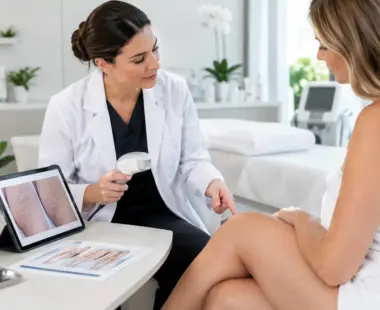
A Cellulite Treatment Review for Lasting Results
Our cellulite treatment review explains why dimpling forms, which options can improve it, and how personalized care supports smoother-looking skin over time.
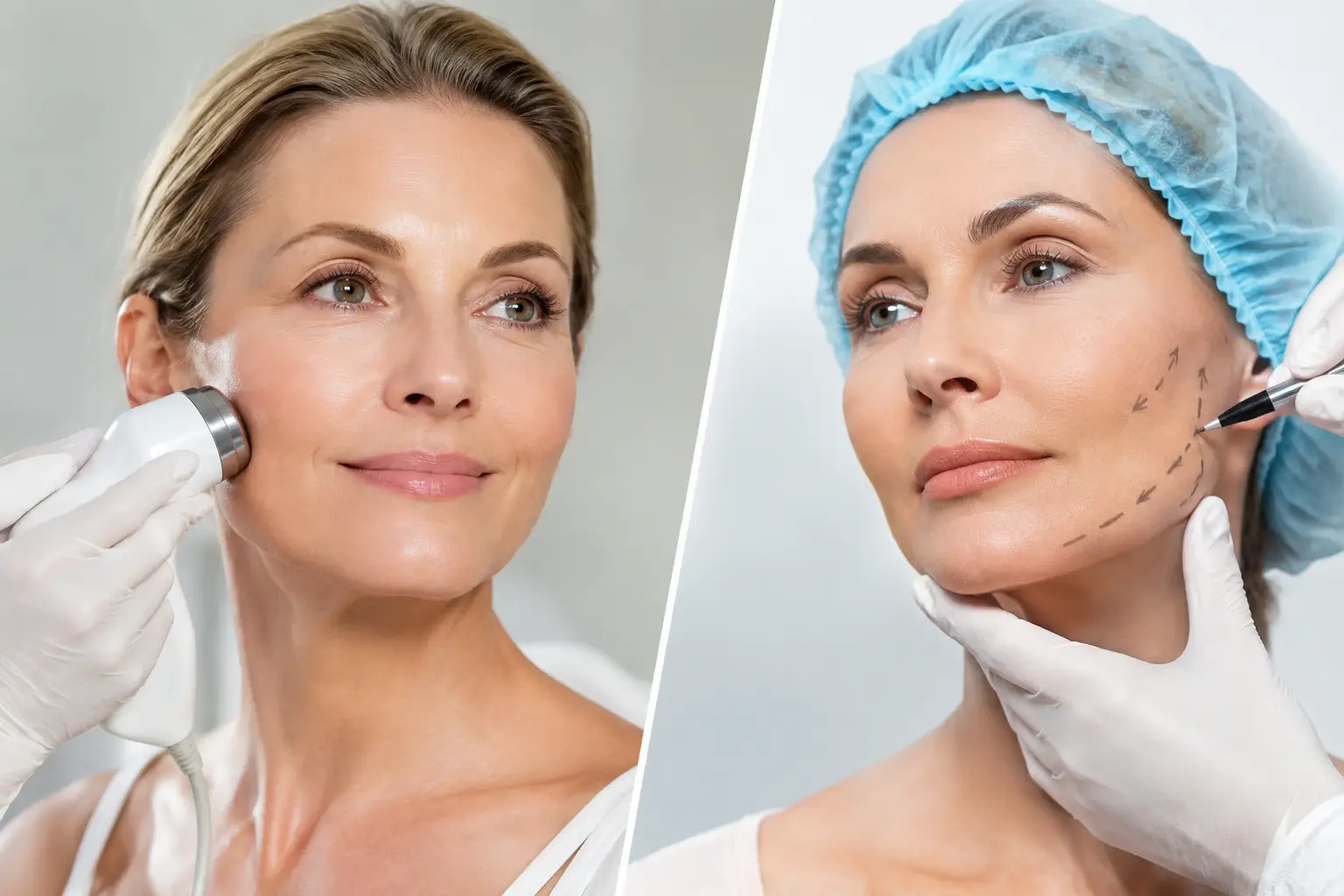
A consultation for RF versus surgical facelift is rarely about choosing the “better” treatment. It is about matching the right level of correction to what you see in the mirror: early laxity along the jawline, crepey texture at the neck, deeper folds, jowling, or a more significant loss of facial definition. Both options can be valuable, but they work in fundamentally different ways and deliver very different degrees of change.
For many Scottsdale-area clients, the appeal of radiofrequency skin tightening is clear: a refined, non-surgical approach with little to no social downtime. For others, a surgical facelift is the more appropriate choice because the concern has progressed beyond what energy-based treatment can realistically address. The most satisfying results begin with an honest assessment, not a one-size-fits-all promise.
Radiofrequency, often called RF, uses controlled heat to warm targeted layers of the skin and underlying tissue. This thermal stimulation is designed to support collagen remodeling, which can gradually improve firmness, elasticity, and skin quality. Depending on the technology and treatment plan, RF may be used on areas such as the cheeks, lower face, jawline, neck, and body.
A surgical facelift, by comparison, is an operation performed by a qualified facial plastic or plastic surgeon. It repositions and tightens deeper facial structures, removes or redistributes excess skin when appropriate, and addresses more pronounced sagging through physical correction. It does not simply improve the skin’s texture – it can reshape the contour of the lower face and neck.
That distinction matters. RF works with your existing tissues through gradual collagen stimulation. A facelift can physically reposition tissue that has descended over time. RF can create visible refinement, while surgery can create a more substantial structural change.
RF skin tightening is often a strong fit for clients who are noticing the first signs of laxity but do not have substantial excess skin. You may see a softer jawline, mild looseness beneath the chin, fine lines around the cheeks, or skin that no longer feels as firm as it once did. In these cases, a customized RF plan can support a smoother, tighter-looking appearance without incisions or anesthesia.
The improvement is typically gradual. Collagen remodeling takes time, so results may continue to develop over several weeks or months after treatment. Some clients benefit most from a series of sessions, while others may use periodic maintenance treatments to protect and extend their results. Treatment intervals depend on the device, treatment area, skin condition, and goals.
RF can also be especially appealing when skin quality is part of the concern. Firmness, texture, fine lines, and radiance often work together visually. When appropriate, radiofrequency may be paired with other non-surgical aesthetic treatments, such as microneedling or non-ablative resurfacing, to create a more comprehensive approach to aging skin.
Still, RF has limits. It will not remove a large amount of loose skin, recreate a sharply defined jawline in the presence of significant jowling, or lift deeply descended facial tissue to the degree surgery can. A reputable provider should be direct about those boundaries.
A surgical facelift is generally considered when facial aging is more advanced or when a client wants a longer-lasting, more dramatic change in the lower face and neck. It can address moderate to significant jowls, deeper nasolabial folds and marionette lines, loose neck skin, banding, and a loss of jawline definition that cannot be meaningfully improved with non-surgical tightening alone.
Because the procedure involves incisions, anesthesia or sedation, and recovery, it requires a greater commitment. Bruising, swelling, activity restrictions, and healing time are expected parts of the process. While many people feel comfortable returning to social activities within a few weeks, complete settling can take longer. The exact experience varies by procedure, surgical technique, and individual healing.
A facelift can be an excellent option for the right candidate, but it is not a replacement for healthy skin habits or ongoing skin care. Sun exposure, weight changes, genetics, and the natural aging process continue after surgery. Many patients still use professional treatments later to maintain skin quality, address pigmentation, or refresh overall radiance.
Downtime is often the deciding factor for clients with demanding careers, family responsibilities, travel plans, or active social calendars. Most RF treatments involve minimal interruption to daily life. You may experience temporary redness, warmth, or mild swelling, but many clients resume normal routines quickly. Your provider will give individualized aftercare guidance based on the technology used and the intensity of treatment.
A surgical facelift requires planning. Recovery is not merely a few days of redness. It is a genuine healing period that should be built into your schedule, particularly if you want to look camera-ready for a major event. Surgery also brings the risks associated with invasive procedures, including anesthesia-related risks, infection, scarring, bleeding, changes in sensation, and asymmetry. Those risks should be discussed thoroughly with your surgeon.
RF is non-surgical, but “non-surgical” does not mean casual. Safe results depend on thoughtful settings, proper technique, skin assessment, and a provider who understands how to tailor treatment to your skin type and medical history. Heat-based technologies should be selected and performed carefully, especially for clients with a history of pigmentation concerns or sensitivity.
A facelift generally produces more dramatic results and longer-lasting correction than RF. The visible effects of surgery may last for years, though no procedure stops aging. RF results are more subtle and typically require maintenance, because collagen naturally changes over time and the treatment does not reposition tissue surgically.
That does not make RF a lesser option. For a person with mild laxity who wants a natural-looking refresh without surgical recovery, the right RF treatment may be the better value, the more comfortable fit, and the more aligned choice. The goal is not to choose the most intensive treatment available. It is to choose the treatment that can credibly meet your goals.
Age alone does not determine candidacy. A person in their 40s with genetically early jowling may benefit from a surgical conversation, while a person in their 60s with good skin elasticity and mild concerns may be pleased with non-surgical maintenance. Skin thickness, collagen quality, degree of laxity, facial anatomy, weight stability, and expectations all matter more than a number on a birthday cake.
RF is often worth considering if you want gradual, natural-looking improvement; have mild to moderate skin laxity; prefer minimal downtime; or want to maintain results from other aesthetic treatments. It can also be a smart entry point for clients who are not ready for surgery but want to take a proactive approach to firmness and skin quality.
You should disclose any medical conditions, implanted electronic devices, metal in the treatment area, pregnancy, active skin infections, recent cosmetic procedures, or medications that affect healing. Your provider can determine whether RF is suitable now, should be postponed, or is not recommended for you.
Surgery may be the more appropriate next step if you have substantial skin laxity, prominent jowls, a loose neck contour, or a desire for a dramatic single-procedure transformation. In that case, an evaluation with a board-certified facial plastic or plastic surgeon is the responsible path forward.
The most polished outcomes rarely come from chasing a single treatment trend. They come from a plan designed entirely around your facial anatomy, skin quality, lifestyle, budget, and comfort with downtime. At Laser Aesthetics, advanced non-surgical technologies can be thoughtfully selected for clients who want visible improvement while preserving a natural expression and a schedule-friendly recovery.
A professional consultation should feel clear, not pressurized. You deserve to understand what RF can improve, what it cannot, how many treatments may be recommended, and whether your goals would be better served by a surgical referral. The right choice is the one that respects both your features and your expectations – so your results look refreshed, confident, and unmistakably like you.
Our cellulite treatment review explains why dimpling forms, which options can improve it, and how personalized care supports smoother-looking skin over time.

Learn how to improve cellulite appearance with lifestyle habits and advanced non-surgical treatments designed for smoother, firmer-looking skin with care.

Explore stretch mark treatments that support smoother-looking skin, from microneedling and laser resurfacing to a plan tailored to your skin and goals.
Monday: 9 AM–7 PM
Tuesday: 9 AM–5 PM
Wednesday: 9 AM–7 PM
Thursday: 9 AM–5 PM
Friday: 9 AM–4 PM
Saturday: 9 AM–4 PM
Sunday: 9 AM–2 PM