
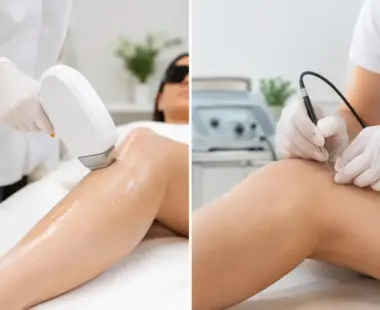
Laser Hair Removal Versus Electrolysis: Which Works?
Compare laser hair removal versus electrolysis, including results, comfort, cost, skin tone, and treatment time, to choose the right approach for you.
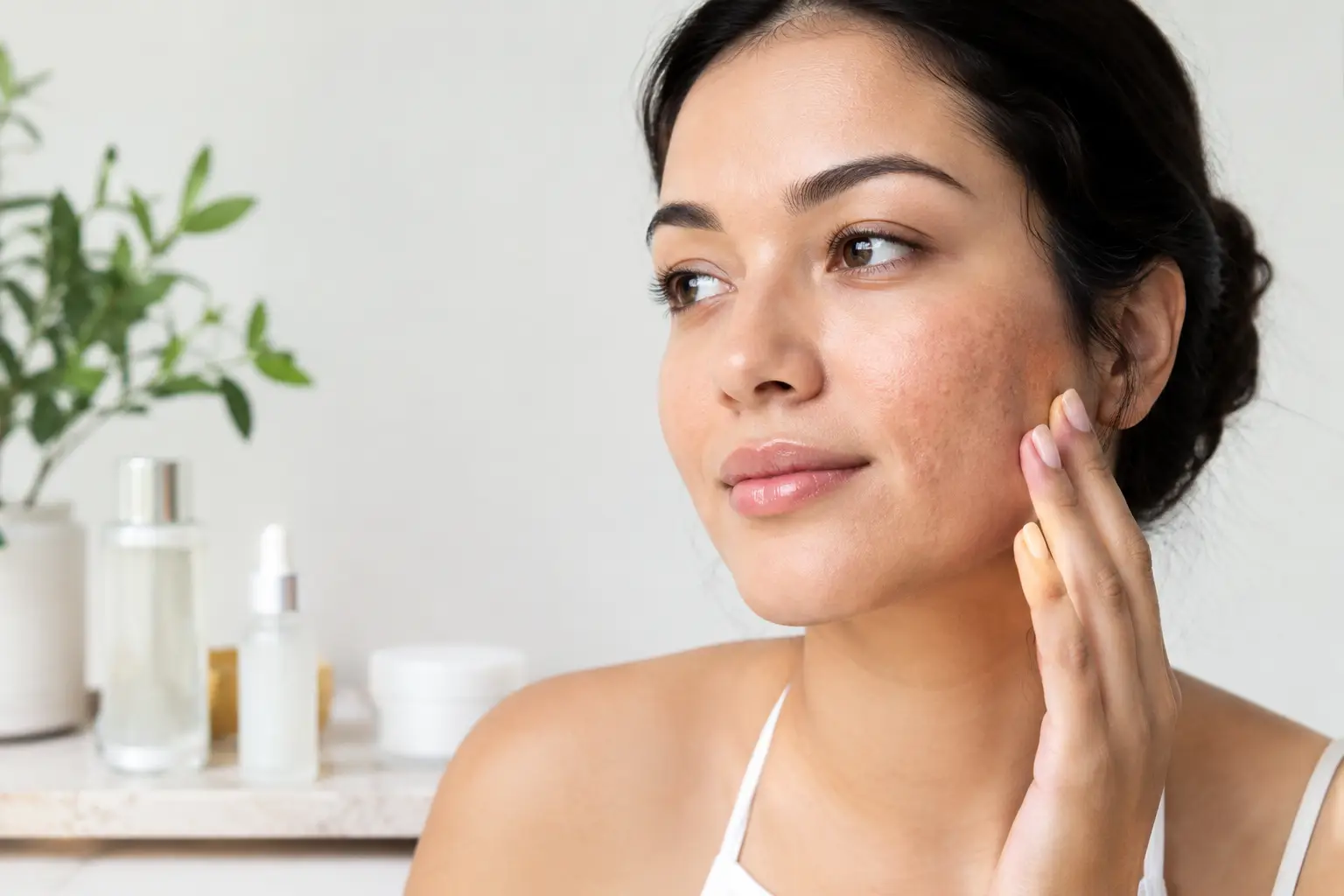
Acne may be temporary, but the texture changes it leaves behind can feel far more persistent. The most effective acne scar treatments are not one-size-fits-all because scars can sit at different depths, affect skin tone differently, and respond to different technologies. A thoughtful plan begins with identifying what is actually happening in your skin, then selecting treatments designed to improve texture while respecting your complexion, schedule, and comfort.
At Laser Aesthetics, scar revision is approached as a personalized skin-quality plan, not a quick fix. Advanced technology and expert treatment settings can create meaningful improvement over time, with options designed to support smoother, clearer-looking, more radiant skin without surgery.
Not every mark after a breakout is technically a scar. Flat red, pink, brown, or gray marks are often post-inflammatory color changes. They can fade gradually, but they are not treated the same way as indented scars or thick, raised scars. Treating discoloration alone will not lift a depressed scar, just as resurfacing alone may not fully address uneven pigment.
True acne scars form when inflammation disrupts the skin’s natural collagen structure. Some scars are shallow and broad, often called rolling scars. Others have sharper edges, including boxcar scars, or narrow, deeper openings known as ice-pick scars. Many people have a combination, which is why a single treatment can be helpful without being the complete answer.
Your provider should also consider skin tone, sensitivity, the tendency toward post-inflammatory hyperpigmentation, active acne, and how much downtime feels realistic. For clients in Scottsdale and the greater Phoenix area, sun exposure is another practical part of the conversation. Newly treated skin needs diligent sun protection, especially when restoring an even-looking tone is part of the goal.
The best treatment depends on scar type and severity, but collagen-stimulating procedures are often central to a successful plan. They work by creating controlled renewal in the skin, encouraging the production of collagen and elastin over a series of treatments. Results develop progressively rather than overnight, which is a worthwhile trade-off for natural-looking improvement.
Microneedling uses precisely controlled microchannels to trigger the skin’s repair response. It can be an excellent option for mild to moderate textural irregularities, enlarged pores, and early scarring. Because it supports collagen remodeling without relying on aggressive surface removal, microneedling may suit clients who want visible skin refinement with relatively manageable downtime.
A series is usually recommended. The timing between appointments gives collagen time to rebuild, and improvements often continue to appear for weeks after each session. Skin may look pink or feel warm immediately afterward, but this typically settles quickly. Your treatment provider will recommend the right skincare routine and help you understand when it is appropriate to return to exercise, makeup, and sun exposure.
Microneedling has limits. Very deep ice-pick scars, tethered rolling scars, and more substantial textural changes may require a more comprehensive approach. Honest treatment planning matters: a procedure should be chosen because it matches the skin concern, not because it is simply the most familiar option.
Fractional non-ablative laser resurfacing is a premier option for clients seeking a more advanced approach to acne scarring, uneven texture, fine lines, and overall skin renewal. This technology delivers controlled energy below the skin’s surface while leaving portions of the surrounding tissue intact. That fractional approach supports collagen remodeling with less downtime than more aggressive fully ablative resurfacing.
For acne scars, fractional treatments can soften the appearance of shallow boxcar scars, rolling texture, and diffuse roughness. They may also improve the way light reflects off the skin, which can make a complexion look smoother even before every scar has fully remodeled. Treatment is highly customizable, and settings should be selected according to your skin type, scar depth, sensitivity, and desired recovery time.
Expect some warmth, redness, and a sandpaper-like texture during the healing process. Depending on treatment intensity, downtime can range from a few days of visible redness to a longer period of flaking or bronzing. The advantage is more significant collagen stimulation per session for the right candidate. Many clients achieve their best outcome through a planned series, then maintain their results with thoughtful skincare and periodic treatment.
When the concern is primarily lingering redness, uneven pigment, or a dull surface after acne has resolved, a YAG laser facial may be part of the conversation. These treatments can support a brighter, more even-looking complexion and help address certain visible color changes that make scars seem more pronounced.
A laser facial is not a replacement for scar-focused resurfacing when there is significant indentation. However, it can complement a larger plan by improving overall clarity and radiance. This is an example of why diagnosis matters: texture and pigment often exist together, but they do not always need the same solution.
Acne scar treatment is about improvement, not perfection. Even advanced FDA-approved technology cannot erase every scar or promise identical results for every person. What it can do is improve skin texture, soften visible scar edges, support more even tone, and help makeup sit more smoothly on the skin.
The amount of improvement depends on the type of scarring, the number of treatments, your body’s collagen response, and consistency with aftercare. A shallow scar may respond beautifully to microneedling or fractional resurfacing, while deeper or tethered scars can require referral for additional medical interventions before or alongside skin resurfacing. A reputable provider will be direct about this rather than overpromising.
Most treatment plans involve several sessions spaced weeks apart. This is not because the technology is ineffective. Collagen remodeling is biological and gradual. Building results over time allows the skin to respond in a controlled way and gives your provider the opportunity to adjust your plan as your complexion changes.
Professional treatments perform best when supported by consistent home care. Avoid picking at breakouts, since repeated trauma raises the risk of new scarring and pigment changes. Use a gentle cleanser, moisturize consistently, and wear broad-spectrum sunscreen every day, even when you are mostly indoors or driving around town.
If you still have active acne, controlling it should be part of the plan. Treating new breakouts while improving old scars protects the progress you are making. Your provider may recommend waiting until inflammatory acne is calmer before beginning certain resurfacing treatments, or may suggest a staged approach that prioritizes skin health first.
Be transparent at your consultation about medications, skin conditions, recent sun exposure, past treatments, and any history of cold sores or unusual scarring. These details help determine the safest settings and most appropriate timing. Precision is especially important with energy-based treatments, where customized parameters can make a meaningful difference in both comfort and outcome.
The right acne scar treatment should feel designed around you, not copied from someone else’s before-and-after photo. A professional assessment can distinguish pigment from textural scarring, identify the treatment that offers the strongest return for your goals, and set realistic expectations before your first session.
Clearer, smoother-looking skin rarely comes from chasing the newest trend. It comes from a precise plan, advanced technology used responsibly, and the patience to let your skin build lasting results.
Compare laser hair removal versus electrolysis, including results, comfort, cost, skin tone, and treatment time, to choose the right approach for you.

Learn how to choose body contouring based on your goals, treatment area, timeline, and skin quality, with safe, personalized guidance for results today.
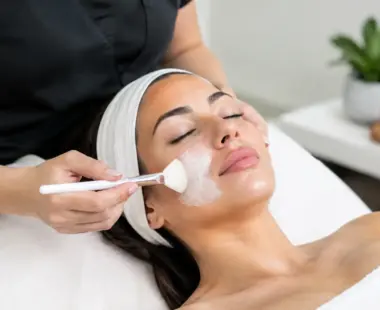
Compare the best facial treatments Scottsdale clients choose for brighter, smoother skin, with custom plans, advanced technology, and minimal downtime.
Monday: 9 AM–7 PM
Tuesday: 9 AM–5 PM
Wednesday: 9 AM–7 PM
Thursday: 9 AM–5 PM
Friday: 9 AM–4 PM
Saturday: 9 AM–4 PM
Sunday: 9 AM–2 PM