
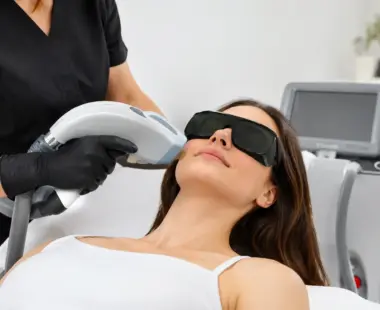
What a GentleMax Pro Experience Really Feels Like
A GentleMax Pro experience combines tailored laser settings, built-in cooling, and expert care for smoother skin with less disruption to your schedule.
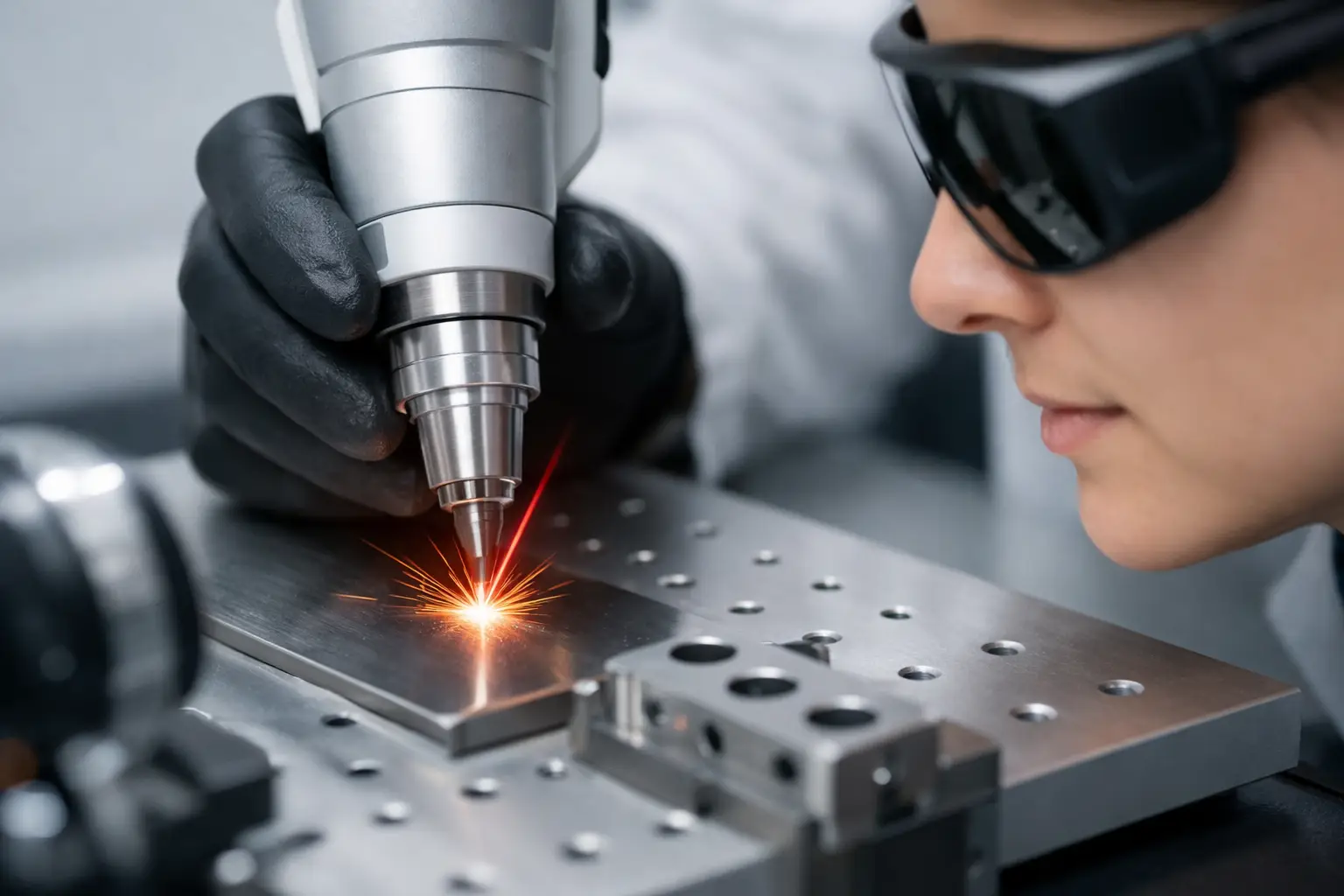
A laser treatment can be one of the most effective ways to improve unwanted hair, sun damage, uneven tone, texture, or laxity without surgery. But the difference between an average experience and a visible transformation often comes down to what happens before and after your appointment. Knowing how to get better laser results starts with choosing a qualified provider, then following a plan designed around your skin, your goals, and your lifestyle.
Your laser treatment should never feel one-size-fits-all. Skin tone, hair color, treatment area, medical history, sun exposure, and the type of concern being treated all affect the settings, timing, and number of sessions that make sense for you.
The best laser results begin with an informed consultation. Laser hair removal, fractional skin resurfacing, YAG facials, and laser skin tightening all work differently. They target different structures in the skin and require different expectations around discomfort, downtime, and treatment frequency.
For laser hair removal, the goal is to target pigment in actively growing hair follicles. Because hair grows in cycles, one session cannot treat every follicle at the same stage. A series of properly spaced appointments is what creates progressively smoother skin and longer-lasting reduction.
For resurfacing or pigment-focused treatments, your provider will assess concerns such as fine lines, acne scarring, enlarged pores, sun spots, redness, and uneven texture. More aggressive settings may create more noticeable improvement in some cases, but they can also mean additional redness, peeling, or downtime. The right approach is not always the strongest possible treatment. It is the treatment intensity that respects your skin while moving you toward your goals safely.
An experienced provider should explain what the laser is intended to treat, what it cannot treat, and when another modality may be the better choice. For example, certain skin concerns respond best to a combination of laser treatments, microneedling, professional skincare, or RF skin tightening rather than repeated use of one device alone.
Not every laser is appropriate for every skin tone or concern. That matters, particularly in sunny climates like Scottsdale and Phoenix, where recent sun exposure can affect both safety and results.
Advanced platforms such as the GentleMax Pro use different wavelengths to allow more precise treatment planning across a range of skin tones and hair types. The device matters, but expert execution matters just as much. A trained clinician adjusts settings based on the treatment area, hair density, skin response, and your history with laser services.
Be candid during your consultation. Let your provider know if you tan easily, have melasma, develop dark marks after blemishes, use prescription skincare, have a history of cold sores, or have received injectable or aesthetic treatments recently. These details help protect your skin and guide a more customized protocol.
A premium laser treatment is not simply about getting through an appointment quickly. It is about using FDA-cleared technology thoughtfully, monitoring how your skin responds, and making adjustments from one session to the next when appropriate.
Preparation is where many clients either protect their outcome or unintentionally compromise it. Your provider will give you instructions specific to your treatment, and those directions should always come first. Still, several guidelines apply to many laser services.
Avoid direct sun exposure, tanning beds, and self-tanner in the days or weeks leading up to treatment, depending on the service. Tanned or irritated skin can change how the laser energy is absorbed, increasing the chance of unwanted sensitivity or pigmentation changes. Sunscreen is not optional when you are investing in skin quality. Use a broad-spectrum SPF daily and reapply when you are outside.
For laser hair removal, shave the treatment area as instructed, usually shortly before your visit. Shaving leaves the follicle beneath the skin available for treatment while removing surface hair that could absorb unnecessary heat. Do not wax, tweeze, thread, or use an epilator between sessions, because these methods remove the hair root the laser needs to target.
If you are having laser resurfacing or a facial laser treatment, you may be asked to pause retinoids, exfoliating acids, benzoyl peroxide, or other active products beforehand. This is not a minor detail. Over-exfoliated skin can be more reactive and less comfortable during treatment. Arrive with clean skin, free of makeup, fragrance, lotion, or self-tanner unless your provider advises otherwise.
Consistency is one of the most overlooked factors in achieving better laser results. Missing appointments or waiting too long between sessions can slow progress, especially for hair removal. Each visit is timed to catch a new group of follicles during the growth phase when laser energy can be most effective.
For skin rejuvenation, spacing is equally strategic. Your skin needs time to calm, repair, and build collagen after a resurfacing or tightening treatment. Booking too close together does not necessarily speed up results. In fact, a rushed schedule may create irritation without giving your skin the recovery time needed for visible improvement.
Your provider may recommend a package or membership because consistent care tends to produce a more refined outcome than isolated appointments. That does not mean every client needs the same number of treatments. Hormones, genetics, hair density, age, sun exposure, and skin condition all influence how quickly you see changes and how often you may need maintenance.
Aftercare helps preserve the work your treatment has started. Immediately after laser hair removal, mild redness or a warm sensation around the follicles can be normal. With resurfacing treatments, temporary redness, dryness, roughness, or light peeling may occur as the skin renews itself. Your provider should tell you what is expected for your specific treatment and when to call with questions.
Keep post-treatment care simple. Use gentle cleanser, bland moisturizer, and broad-spectrum sunscreen. Avoid hot yoga, saunas, steam rooms, intense workouts, hot showers, and other heat exposure for the time period recommended by your clinician. Heat can worsen temporary inflammation, particularly after facial laser treatments.
Do not pick, scrub, or exfoliate flaking skin. It can be tempting to speed up peeling, but manual exfoliation can disrupt the recovery process and raise the risk of irritation or uneven pigment. Let the skin shed naturally, then return to active products only when your provider says it is appropriate.
Sun protection deserves special attention. UV exposure can undo progress made with pigment correction and prematurely age newly treated skin. A hat, shade, and daily SPF are practical ways to protect your investment long after the initial redness fades.
Laser treatments work best when they are part of a broader skin and self-care strategy. This does not need to be complicated. Consistent sunscreen, a professional-grade home regimen selected for your skin, adequate hydration, and avoiding smoking all support healthier-looking skin over time.
For body contouring or cellulite reduction, realistic lifestyle support also matters. These treatments can enhance shape and skin appearance, but they are not replacements for nutrition, movement, or stable weight habits. The same principle applies to hair restoration services: addressing underlying contributors with a qualified professional may be part of a more complete plan.
Take progress photos in consistent lighting before starting a series. Day-to-day changes are easy to miss, especially with collagen-building treatments that develop gradually. Photos can help you and your provider evaluate genuine improvement and decide whether to maintain, adjust, or combine treatments.
The most satisfying laser results are visible, natural-looking, and built over time. Laser hair removal generally delivers long-term hair reduction, not a promise that every hair will disappear forever. Hormonal changes can influence regrowth, and occasional maintenance may be useful.
Skin treatments also improve gradually. Some clients notice a brighter appearance within days, while collagen remodeling, firmer-looking skin, and texture refinement can continue for weeks or months. The timeline depends on the treatment and your starting point.
At Laser Aesthetics, every treatment plan is designed around your individual skin, goals, and comfort level. The right technology, precise settings, consistent scheduling, and thoughtful aftercare create the foundation for results that look polished rather than overdone.
Your next appointment is an opportunity to do more than treat a concern. Come prepared, protect your skin, and give the process the time it deserves. That is how meaningful, confidence-building improvement takes shape.

A GentleMax Pro experience combines tailored laser settings, built-in cooling, and expert care for smoother skin with less disruption to your schedule.

A guide to scalp hair restoration explains causes of thinning, treatment options, candidacy, timelines, and how personalized plans support fuller hair.
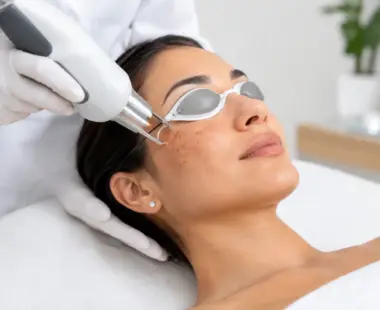
See why the best laser treatments for pigmentation vary for sun spots and melasma, and how skin tone, goals, and downtime shape a safe plan with care.
Monday: 9 AM–7 PM
Tuesday: 9 AM–5 PM
Wednesday: 9 AM–7 PM
Thursday: 9 AM–5 PM
Friday: 9 AM–4 PM
Saturday: 9 AM–4 PM
Sunday: 9 AM–2 PM