
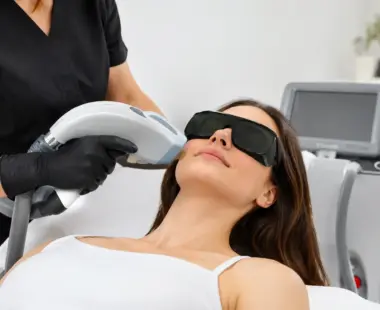
What a GentleMax Pro Experience Really Feels Like
A GentleMax Pro experience combines tailored laser settings, built-in cooling, and expert care for smoother skin with less disruption to your schedule.
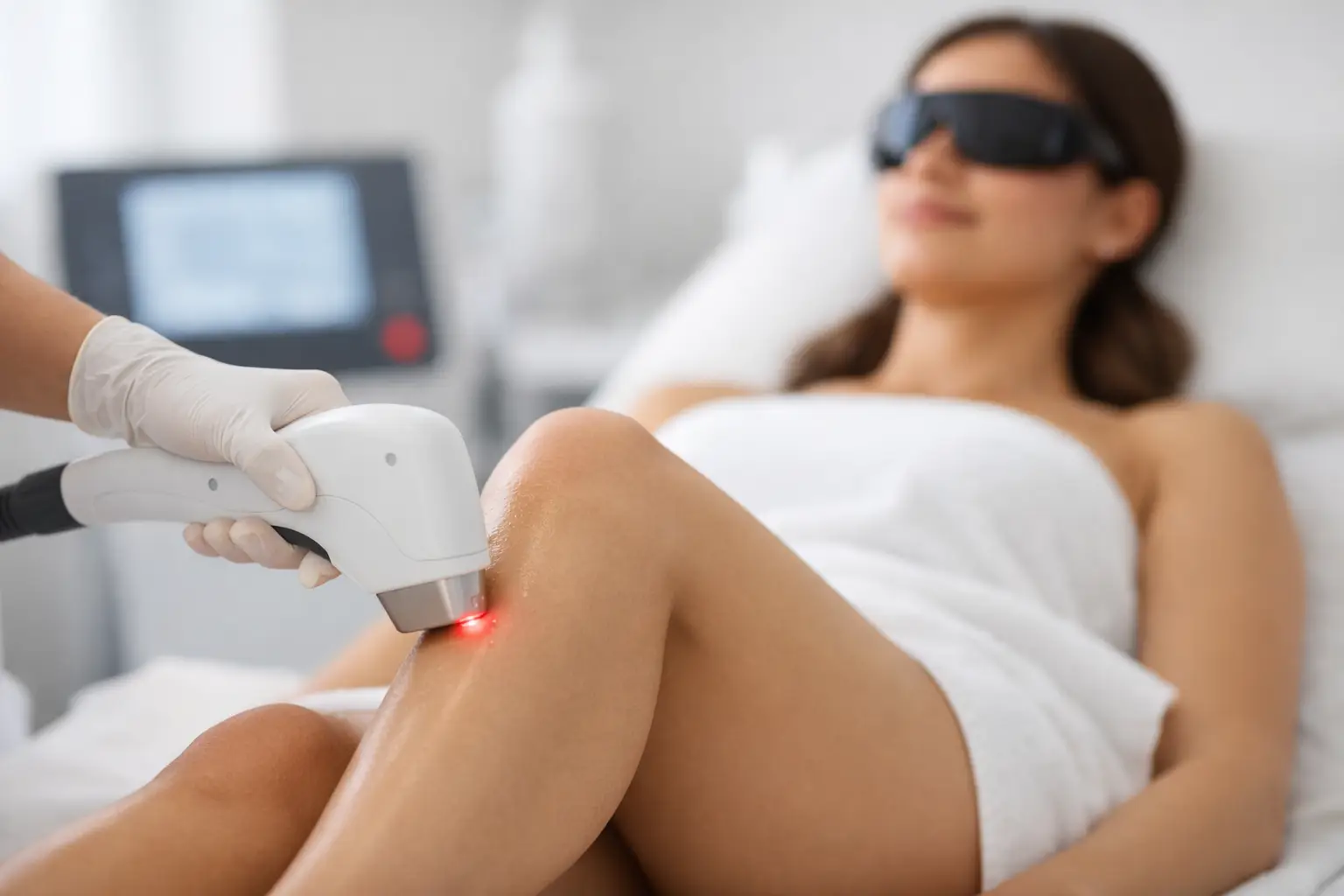
Waxing before a trip gets old fast. So does shaving every other day, dealing with razor burn, and wondering whether a better long-term option actually exists. If you have been asking, is laser hair removal permanent, the honest answer is this: it delivers long-lasting hair reduction, and for many clients the change is dramatic, but it is not usually a one-and-done promise that every hair is gone forever.
That distinction matters because realistic expectations lead to better results and better treatment plans. Laser hair removal is one of the most effective ways to reduce unwanted hair over time, especially when treatments are performed with advanced technology and customized settings. But permanence in aesthetics is rarely absolute. Hair growth is influenced by your biology, hormones, hair color, skin tone, and the area being treated.
Laser hair removal works by targeting pigment in the hair follicle with concentrated light energy. That energy heats the follicle and damages its ability to produce new hair. When a follicle is treated effectively during the right stage of growth, the hair may stop growing altogether or come back much finer, lighter, and slower.
This is why many providers describe the treatment as permanent hair reduction rather than permanent hair removal. The goal is a significant, sustained decrease in hair density and regrowth. In practical terms, that can mean underarms that stay smooth for months, a bikini line with minimal maintenance, or legs that no longer require constant shaving.
For many people, some follicles are disabled long term while others recover partially over time. Hair can also return due to hormonal changes, age, or underlying medical conditions. So while laser hair removal can create a lasting improvement, it is best understood as a high-performance reduction treatment that may still benefit from occasional maintenance.
One of the most common reasons people question results is that they expect one session to handle everything. Hair does not all grow at the same time. Each follicle cycles through different phases, and laser treatment is most effective when the hair is in its active growth stage.
Because only a portion of your hair is in that stage at any given appointment, a series of treatments is necessary to target follicles as they cycle into the right phase. Most clients need several sessions spaced a few weeks apart, depending on the treatment area and the density of the hair.
This is not a sign that the treatment is weak. It is simply how hair biology works. A well-designed treatment plan respects that cycle and builds toward cumulative results rather than chasing instant perfection.
After the first few sessions, many clients notice patches of reduced growth and softer regrowth. By the middle of a treatment series, shaving often becomes less frequent and the hair that does return is usually finer. After a full series, the difference can be substantial.
That said, different body areas respond differently. Underarms and bikini areas often respond very well because the hair is typically darker and coarser. Facial areas can be more complex, especially for women dealing with hormonal fluctuations. Arms, legs, chest, and back can also show excellent improvement, but the number of sessions and maintenance timing vary from person to person.
The best results come from a combination of the right candidate, the right device, and the right settings. When any one of those is off, the treatment may feel less effective than expected.
Hair color is a major factor. Lasers target pigment, so dark hair tends to respond best. Very light blonde, gray, white, or red hair is often harder to treat because there is less pigment for the laser to identify.
Skin tone matters too, but not in the way many people assume. Advanced FDA-approved systems, including platforms like the GentleMax Pro, allow experienced providers to safely and effectively treat a wider range of skin tones by selecting the proper wavelength and settings. This is where expertise matters. Precision is not optional.
Hormones also play a large role. Conditions such as PCOS, pregnancy-related changes, menopause, or shifts in medication can stimulate new hair growth even after a successful treatment series. That does not mean laser failed. It means your body introduced new activity that may require touch-up treatments.
Facial laser hair removal deserves its own conversation because the face is especially influenced by hormones. Chin, upper lip, jawline, and sideburn areas can absolutely improve with laser treatment, often very noticeably. But they may also be more likely to need maintenance over time compared with areas like the underarms or lower legs.
For the right candidate, facial laser hair removal can still be a smart investment. Less shadow, less irritation, fewer ingrown hairs, and slower regrowth can make a real difference in daily confidence. The key is a personalized plan and a provider who is honest about likely maintenance.
This is one of the biggest misconceptions around laser hair removal. Some people hear the word maintenance and assume the treatment was temporary. That is not accurate.
If you used to shave every day and now need a touch-up once or twice a year, that is a meaningful long-term result. If thick dark hair becomes sparse and fine, that is a successful outcome. In medical aesthetics, lasting improvement is often the real benchmark, not the fantasy of never seeing a single hair again.
Maintenance is simply a way to preserve results as your body changes. For many clients, that is a worthwhile trade for smoother skin, less irritation, and a dramatic reduction in routine upkeep.
Not all laser hair removal treatments are equal. Device quality, treatment speed, cooling technology, and provider experience all influence comfort, safety, and results.
Advanced systems are designed to deliver energy precisely while protecting the surrounding skin. That allows for more effective treatment of the follicle with less unnecessary irritation. It also supports treatment across a wider range of skin tones and body areas when performed by trained professionals.
This is one reason premium technology matters. A stronger treatment plan is not just about booking a series of sessions. It is about selecting a device with a proven track record and pairing it with thoughtful customization. At a practice like Laser Aesthetics, that combination is what helps turn a common service into a more refined, results-driven experience.
Most healthy adults who want to reduce unwanted hair are worth evaluating for treatment, but the best candidates typically have a contrast between hair color and skin tone, realistic expectations, and a willingness to complete a full series.
You may be an especially good fit if you deal with frequent ingrown hairs, irritation from shaving, or the time burden of waxing. You may also be a strong candidate if you want a more polished, low-maintenance result in areas like the underarms, bikini line, back, chest, legs, or face.
A consultation matters because the answer is not the same for everyone. The safest and most effective plan depends on your skin tone, hair characteristics, medical history, sun exposure, and goals.
Hair does not disappear instantly after each session. Treated hairs often shed gradually over the days and weeks that follow. This is normal and is sometimes mistaken for regrowth when it is actually part of the process.
Sun protection is important, especially in sunny climates like Scottsdale and Phoenix where incidental exposure can be hard to avoid. Following pre- and post-care instructions helps protect the skin and supports better results over the course of your series.
It is also worth timing your appointments strategically. Consistency matters. Stretching sessions too far apart or stopping after only one or two treatments usually leads to disappointing outcomes.
It is permanent for some follicles, long-lasting for many others, and highly effective when you want a serious reduction in unwanted hair. The better question is not whether every single hair is gone forever. It is whether you want a treatment that can meaningfully reduce hair growth, improve skin comfort, and give you back time.
For most clients, the answer is yes. When laser hair removal is performed with advanced technology, careful settings, and a plan designed around your skin and hair type, the results can feel transformative. Smooth skin should not have to come with constant maintenance, and with the right approach, it usually does not.

A GentleMax Pro experience combines tailored laser settings, built-in cooling, and expert care for smoother skin with less disruption to your schedule.

A guide to scalp hair restoration explains causes of thinning, treatment options, candidacy, timelines, and how personalized plans support fuller hair.
See why the best laser treatments for pigmentation vary for sun spots and melasma, and how skin tone, goals, and downtime shape a safe plan with care.
Monday: 9 AM–7 PM
Tuesday: 9 AM–5 PM
Wednesday: 9 AM–7 PM
Thursday: 9 AM–5 PM
Friday: 9 AM–4 PM
Saturday: 9 AM–4 PM
Sunday: 9 AM–2 PM