
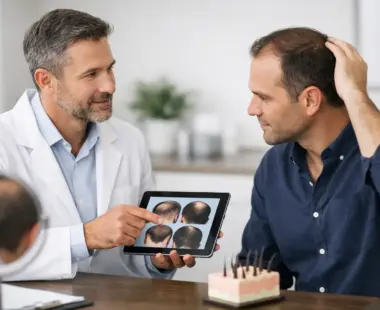
What Happens at a Hair Restoration Consultation?
A hair restoration consultation clarifies the cause of thinning, your candidacy, treatment timeline, and a personalized plan for fuller-looking hair.

The underarm is one of the first areas where clients notice a meaningful difference. Scottsdale underarm laser results can include slower regrowth, softer hair, fewer ingrown hairs, and a smoother appearance that makes daily shaving feel far less necessary. The key is understanding that laser hair removal is a treatment series, not a one-appointment fix.
At Laser Aesthetics, every underarm treatment is designed around your hair color, density, skin tone, sensitivity, and long-term goals. Advanced technology and carefully selected settings matter because the best results come from treating hair effectively while respecting the skin.
Underarm hair often responds very well to laser hair removal because it is commonly darker and coarser than hair on areas such as the arms or face. Laser energy targets pigment within the hair follicle, creating heat that disrupts future hair growth. Hair must be in the active growth phase for treatment to have the greatest effect, which is why appointments are scheduled in a series.
After the first treatment, it is normal to see continued hair growth for a short period. This is not a sign that the treatment failed. In the following one to three weeks, treated hairs often begin to shed. Many clients then notice that the next cycle of regrowth is patchier, finer, and slower.
By the middle of a recommended series, the change can become more visible: less frequent shaving, reduced shadow from coarse stubble, and a cleaner underarm appearance between appointments. Final Scottsdale underarm laser results vary, but most clients pursue treatment because they want substantial, lasting hair reduction rather than a temporary grooming solution.
Laser hair removal is commonly described as permanent hair reduction. That wording is intentional. Properly performed laser treatment can significantly reduce the number of active follicles, but it cannot promise that every follicle will stop producing hair forever.
Hormonal changes, genetics, certain medications, and natural body changes can encourage some new growth over time. When that happens, it is typically lighter, finer, and easier to manage than the original growth. Occasional maintenance appointments can help preserve the polished result you worked for.
Most underarm treatment plans include multiple sessions spaced several weeks apart. The exact schedule depends on your individual growth cycle and response, but consistency is what allows each appointment to target a new group of active follicles.
During the first few sessions, you may still shave between visits. Shaving is generally preferred because it removes hair above the skin without pulling the follicle out. Waxing, tweezing, threading, and epilating can interfere with treatment because the laser needs pigment in the follicle to do its job.
Many clients see notable reduction after several appointments, while the full outcome develops gradually over the course of the series. This measured approach is safer and more effective than trying to treat aggressively in a single session. A personalized plan also gives your provider the opportunity to assess your response and refine settings as appropriate.
The strongest underarm laser results are never about a one-size-fits-all setting. Hair color, hair thickness, skin tone, prior hair-removal habits, and hormones all influence response. Dark, coarse hair usually offers a clear target for the laser, while very blonde, gray, red, or white hair contains less pigment and may be less responsive.
Skin tone matters, too. A responsible provider considers both the melanin in the hair and the melanin in the skin when selecting a wavelength and treatment level. This protects comfort and safety while working toward effective reduction. The GentleMax Pro platform offers advanced laser options that can be customized for a broad range of skin tones and hair types.
Recent sun exposure is another factor. Tanned or sunburned underarm skin may require postponing treatment or adjusting the plan, since increased skin pigment can change how laser energy is absorbed. Being candid during your consultation helps your provider make decisions that keep treatment precise and appropriate.
Clients sometimes hope laser hair removal will erase underarm darkness. Results can be encouraging when the darkened appearance is caused by shaving irritation, stubble, ingrown hairs, or repeated inflammation. As hair growth decreases and the skin experiences less friction, the area may look smoother and more even.
Still, laser hair removal is not primarily a pigmentation treatment. Darkening related to genetics, product irritation, medical conditions, or deeper pigment concerns may need a different approach. Your consultation is the right time to discuss whether another skin-focused treatment, a product change, or medical guidance may be more appropriate.
Good preparation supports a comfortable appointment and clear treatment response. Shave the area as instructed before your visit, but do not wax or pluck during your treatment series. Arrive with clean underarms whenever possible, without deodorant, body oil, self-tanner, or heavily fragranced products that may irritate freshly treated skin.
Avoid intentional tanning and disclose any skincare products or medications that can increase sensitivity. If you are prone to irritation, have a history of hyper-pigmentation, or have recently changed medications, mention it before treatment. This is exactly why individualized care matters.
After your appointment, mild warmth, redness, or small bumps around treated follicles can occur temporarily. A cool compress can feel soothing. Avoid hot yoga, saunas, intense exercise, and heavily fragranced deodorant for the period recommended by your provider, especially if the skin feels sensitive. Do not exfoliate aggressively or pick at shedding hairs.
For many busy Scottsdale clients, the value is not only in having less hair. It is in gaining time back from shaving, reducing the frustration of razor bumps, and feeling more confident in sleeveless clothing, swimwear, and everyday routines. Underarms are a compact treatment area, so appointments are typically efficient, yet the visual and practical payoff can be significant.
The trade-off is commitment. Meaningful reduction requires a series of professionally timed appointments, plus the possibility of maintenance later. Choosing treatment solely by the lowest price can also be costly if the provider uses unsuitable settings, lacks experience across skin tones, or does not create a plan based on your response.
Premium, FDA-cleared laser technology and trained execution give you a stronger foundation for visible results. The right provider should explain what your skin and hair can realistically achieve, answer questions clearly, and make comfort and safety part of the plan rather than an afterthought.
You may shave during the treatment series, and some clients choose to shave occasionally afterward. As reduction builds, many find they need to shave far less often. Any remaining hair is often finer and less noticeable.
No. Laser hair removal targets hair follicles, not sweat glands. It may make product application and underarm hygiene feel easier for some clients, but it is not a treatment for excessive sweating.
Often, yes, but sensitivity should be discussed before treatment. Careful settings, a thoughtful treatment plan, and proper aftercare are especially important for clients who are prone to irritation or pigment changes.
The most satisfying result is not simply an underarm with less hair. It is a plan that fits your skin, your schedule, and your expectations, then delivers improvement session by session with the level of care your confidence deserves.

A hair restoration consultation clarifies the cause of thinning, your candidacy, treatment timeline, and a personalized plan for fuller-looking hair.

Explore body contouring Scottsdale options with personalized, FDA-approved technology designed to reduce stubborn areas with short downtime and no surgery
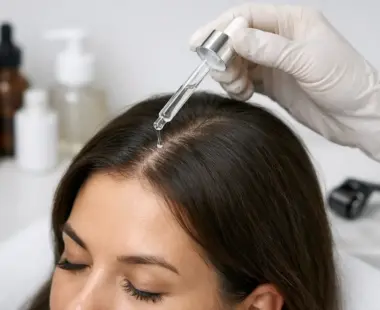
Scalp treatments for hair thinning can support a healthier growth environment. Learn which options suit your needs and when professional care makes sense.
Monday: 9 AM–7 PM
Tuesday: 9 AM–5 PM
Wednesday: 9 AM–7 PM
Thursday: 9 AM–5 PM
Friday: 9 AM–4 PM
Saturday: 9 AM–4 PM
Sunday: 9 AM–2 PM