
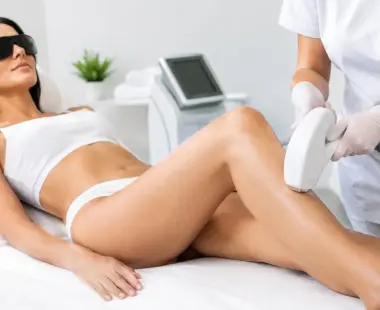
Laser Hair Removal Packages Review: Real Value
Read a laser hair removal packages review that explains session counts, technology, costs, safety, and how to choose a plan designed for lasting smoothness.
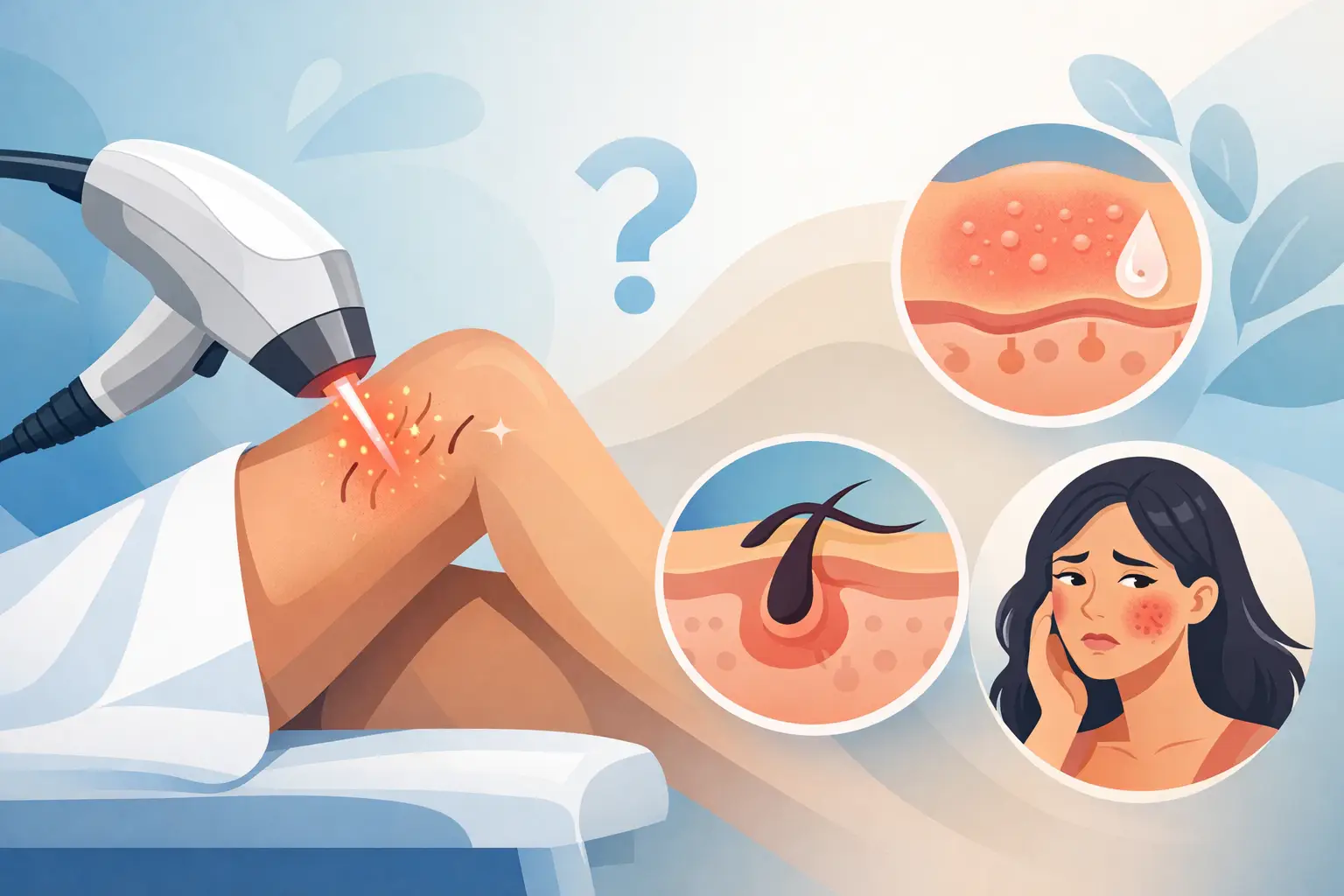
If you are asking what is laser hair removal side effects, you are asking the right question before booking a treatment. The best laser hair removal results come from more than advanced technology alone – they come from proper settings, skin assessment, and an experienced provider who knows how to balance safety with visible results.
Laser hair removal has become one of the most trusted ways to reduce unwanted hair on the face and body, but it is still a medical-grade treatment. That means side effects can happen, even when the procedure is performed well. Most are mild and temporary. A smaller number are less common and usually tied to factors like sun exposure, incorrect settings, skin sensitivity, or poor aftercare.
In simple terms, laser hair removal side effects are skin reactions that can happen after the laser targets pigment in the hair follicle. The energy heats the follicle to interrupt future growth, and the surrounding skin can react to that heat. Some response is expected. In fact, mild redness and slight swelling around the follicles often show that the treatment reached the intended target.
What matters is knowing the difference between a normal short-term response and a reaction that needs professional attention. For most patients, the treatment area looks a bit pink, feels warm, and may resemble mild razor burn for a few hours to a couple of days. That is very different from blistering, prolonged irritation, or pigment changes that last beyond the normal healing window.
The side effects most patients notice first are redness, tenderness, and perifollicular edema, which is a temporary swelling around each treated hair follicle. This usually fades quickly. Some clients also describe a sunburn-like sensation right after treatment, especially in more sensitive areas such as the bikini line, upper lip, or underarms.
Dryness and slight itching can also happen as the skin settles. In the days that follow, treated hairs may appear to grow before they shed. This is not new hair growth. It is the body pushing out treated follicles, which is a normal part of the process.
These common reactions are usually short-lived and manageable when the treatment plan is customized correctly. Cooling technology, conservative settings when appropriate, and clear post-care instructions all make a meaningful difference.
This is the most typical response and usually the least concerning. Because the laser is designed to target the hair root, the skin around that follicle can become temporarily inflamed. On the body, that may be visible for a few hours. On the face or sensitive skin, it can sometimes linger a bit longer.
A treated area can feel warm or slightly sore, similar to freshly waxed skin. That sensation generally improves within the same day. Aggressive exercise, hot showers, and saunas too soon afterward can make it feel more noticeable, which is why aftercare matters.
Some people experience temporary dryness, roughness, or a tight feeling in the area. This tends to be more common if the skin is already dehydrated, recently exfoliated, or exposed to sun before treatment.
While most side effects are mild, there are less common reactions patients should understand before starting a series. These do not mean laser hair removal is unsafe. They mean the treatment should be approached with the same level of clinical judgment as any other advanced aesthetic service.
Hyperpigmentation and hypopigmentation are among the better-known concerns. Hyperpigmentation means the skin darkens in patches after treatment. Hypopigmentation means the skin becomes lighter. These changes are more likely when skin has recent sun exposure, when the wrong wavelength or settings are used, or when a patient does not follow post-treatment instructions carefully. In many cases, these changes improve over time, but prevention is always better than correction.
Blistering, crusting, or burns are possible, but they are not typical with high-quality equipment and experienced treatment. They are more often associated with poorly matched settings, inadequate cooling, or treatment on tanned or compromised skin. This is one reason device quality and provider training matter so much.
Some patients can also develop acne-like breakouts or folliculitis after treatment, especially in areas prone to friction or sweat. This is usually temporary and can often be reduced by keeping the skin clean, calm, and protected in the first 24 to 48 hours.
The answer depends on your skin, hair, medical history, and the technology being used. Laser hair removal is never one-size-fits-all, and the safest treatment plans are designed entirely around the individual.
Recent sun exposure is one of the biggest risk factors. Tanned skin contains more active pigment, which can compete with the hair follicle for laser energy. That raises the chance of irritation and pigment disruption. Certain medications, including some antibiotics, acne medications, and photosensitizing drugs, can also increase sensitivity.
Skin tone matters too, not because darker skin cannot be treated, but because it requires the right laser platform and the right expertise. Advanced systems like the GentleMax Pro are designed to treat a wider range of skin types more safely by allowing providers to select the most appropriate wavelength and settings. That kind of customization is essential for both safety and results.
Other factors include hormonal hair growth, active skin infections, recent exfoliation, harsh topicals like retinoids, and a history of abnormal scarring. None of these automatically rule treatment out, but they should be reviewed before the first session.
Patients often focus on the machine, and that makes sense. Premium, FDA-approved technology matters. But the device is only part of the outcome. A strong result comes from the person operating it, the consultation process, and the treatment plan behind it.
An experienced provider evaluates your skin tone, hair color, treatment area, medical history, and recent sun exposure before choosing settings. They know when to be more conservative, when a patch test is smart, and when it is better to delay treatment until the skin is in a safer condition. They also understand that comfort and performance have to work together. Overly aggressive treatment is not a sign of effectiveness. Smart treatment is.
This is especially important for patients with deeper skin tones, hormonal hair patterns, or a history of sensitivity. Precision helps reduce unnecessary risk while still moving you toward long-term hair reduction.
A well-prepared patient usually has a smoother treatment experience. The basics are straightforward, but they matter. Avoid sun exposure before and after treatment. Skip tanning in all forms. Shave as directed, but avoid waxing, tweezing, or threading because the follicle needs to be present for the laser to target it.
Pause irritating skincare before treatment if your provider recommends it, especially retinoids, acids, or exfoliating products near the area being treated. After your session, keep the skin cool, clean, and protected. Gentle skincare is the standard for the first several days. Heat, friction, and intense workouts immediately afterward can make inflammation more noticeable.
If your provider gives you aftercare instructions, follow them closely even if your skin looks fine right away. Many side effects are preventable, and post-care is part of the treatment – not an optional extra.
A little redness is expected. Severe pain is not. Mild swelling around follicles is common. Blisters, spreading rash, or signs of infection are not. If a reaction looks intense, lasts longer than expected, or seems to worsen instead of improve, contact your provider promptly.
Pigment changes also deserve attention, especially if they do not fade gradually. Early assessment can help guide the next step and reduce the chance of longer-term skin changes. The right provider will want to hear from you, evaluate the reaction, and adjust future treatments if needed.
For many patients, yes – especially when they are tired of constant shaving, ingrown hairs, or the cycle of waxing appointments. The key is having realistic expectations. Laser hair removal does not mean zero risk, but it does offer a strong balance of convenience, comfort, and long-term reduction when performed with modern technology and clinical care.
The side effects most people experience are brief and manageable. The more serious ones are uncommon and often linked to preventable issues such as poor candidate selection, tanning, or inexperienced treatment. That is why choosing a provider should never come down to price alone.
At a premier med spa like Laser Aesthetics, advanced laser platforms, personalized settings, and safety-focused planning are what turn a popular treatment into a high-quality experience. If you are considering laser hair removal, the best next step is not guessing what your skin will do. It is getting expert guidance tailored to your skin tone, hair type, and goals so you can move forward with confidence.

Read a laser hair removal packages review that explains session counts, technology, costs, safety, and how to choose a plan designed for lasting smoothness.

Compare the best options for body sculpting, from noninvasive fat reduction to muscle toning, and choose a personalized treatment plan with confidence.

Compare the best loose neck treatments, from RF tightening and microneedling to resurfacing, with guidance for choosing the right non-surgical plan today.
Monday: 9 AM–7 PM
Tuesday: 9 AM–5 PM
Wednesday: 9 AM–7 PM
Thursday: 9 AM–5 PM
Friday: 9 AM–4 PM
Saturday: 9 AM–4 PM
Sunday: 9 AM–2 PM