
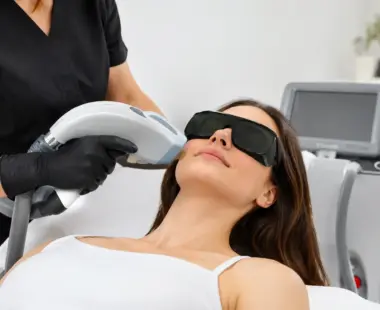
What a GentleMax Pro Experience Really Feels Like
A GentleMax Pro experience combines tailored laser settings, built-in cooling, and expert care for smoother skin with less disruption to your schedule.
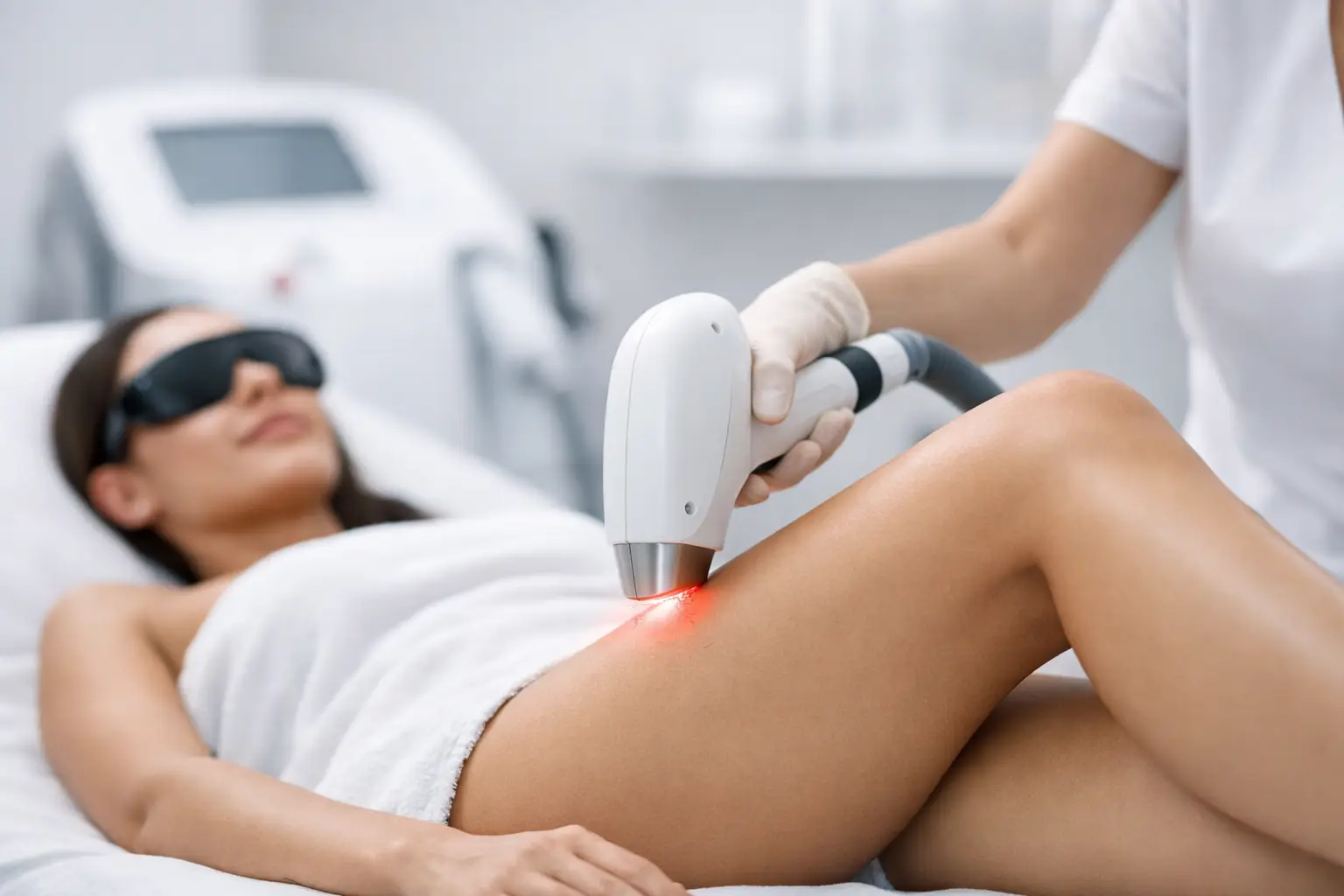
Shaving every other day gets old fast. So do ingrown hairs, razor burn, and the frustration of seeing stubble return almost as soon as you’ve finished. If you’ve been wondering what is laser hair removal treatment, the short answer is this: it’s a medically guided aesthetic procedure that uses concentrated light energy to reduce unwanted hair at the source for smoother, longer-lasting results.
That simple definition is useful, but it leaves out the part most people actually care about – how it works, whether it’s safe for their skin tone, what it feels like, and whether the results are worth the investment. Those details matter, especially when you want visible improvement without unnecessary risk.
Laser hair removal treatment targets the pigment in the hair follicle. The laser sends a precise pulse of energy into the hair shaft, where that pigment absorbs the light and converts it to heat. That heat damages the follicle enough to slow future growth significantly.
The goal is not to remove every hair forever in a single visit. Hair grows in cycles, and the laser is most effective when hairs are in the active growth phase. Since only a portion of your hairs are in that phase at any given time, treatments are scheduled in a series to catch more follicles at the right moment.
This is why professional providers talk about hair reduction rather than promising a one-time permanent fix. Many clients see a dramatic decrease in density, slower regrowth, and finer, softer hair over time. Some maintenance sessions may still be needed, depending on the area, hormones, and your long-term goals.
The biggest appeal is consistency. Shaving is quick but short-lived, and waxing can be uncomfortable while still requiring ongoing upkeep. Laser hair removal offers a more strategic approach by addressing the follicle itself instead of repeatedly removing hair at the surface.
For many people, it also improves quality of life in less obvious ways. Fewer ingrown hairs can mean smoother underarms, a calmer bikini line, and less irritation on the face or neck. That matters if your skin tends to react badly to razors or if you are tired of planning your routine around constant maintenance.
There is also a confidence factor. When unwanted hair is reduced in a meaningful way, getting dressed, traveling, exercising, or simply feeling comfortable in your skin becomes easier. The treatment is cosmetic, but the impact often feels very practical.
Most people think of legs, underarms, and bikini lines first, but laser hair removal is used on many parts of the body. Common treatment areas include the face, upper lip, chin, sideburns, neck, chest, back, arms, stomach, and legs.
The best area for you depends on your hair color, skin tone, hair density, and goals. Small areas can often be treated quickly, while larger areas naturally take longer. Someone treating the underarms may be in and out fairly fast, while full legs require more time and a longer treatment plan.
When performed with appropriate technology and skilled settings, laser hair removal is considered safe and well-established. The key phrase there is appropriate technology. Not all devices are equal, and not every machine is ideal for every skin tone or hair type.
This is where provider expertise becomes especially important. A qualified medical aesthetics team should assess your skin, review your history, and choose settings designed for both safety and performance. Advanced, FDA-approved platforms such as the GentleMax Pro are often preferred because they allow providers to tailor treatment more precisely across a wider range of skin tones and treatment areas.
A careful consultation is not a formality. It is part of the treatment itself. It helps determine whether you are a good candidate, how many sessions you may need, and what precautions should be taken before and after each visit.
Laser hair removal tends to work best when there is a clear contrast between the hair and the skin, because the laser is targeting pigment in the hair. That said, technology has advanced significantly, and many clients with a range of skin tones can be treated safely when the right device and protocol are used.
Coarse, dark hair typically responds very well. Fine, light blond, gray, white, and red hairs can be more difficult because they contain less of the pigment the laser needs to target effectively. Hormonal areas, such as the face, can also respond differently than areas like the underarms or lower legs.
Good candidacy is not just about coloring. It also depends on your medical history, recent sun exposure, medications, and whether you can follow pre- and post-care instructions. If a provider gives you a blanket answer without evaluating those factors, that is a red flag.
Most clients describe laser hair removal as a quick snapping sensation, often compared to a rubber band against the skin. Some areas are easier than others. Underarms and lower legs are often very manageable, while the upper lip or bikini area can feel more intense.
Modern devices help make the experience much more comfortable than many people expect. Cooling systems are especially valuable because they protect the skin while reducing discomfort during treatment. In a well-run med spa setting, comfort is not treated as an afterthought. It is built into the technology and the treatment plan.
This is one of the most common questions, and the honest answer is that it depends. Most clients need a series of treatments spaced several weeks apart. The exact number varies based on the area being treated, the thickness of the hair, your hormones, and how consistently you follow the recommended schedule.
Areas with dense, coarse hair often respond well, but they still require multiple visits because of the hair growth cycle. Facial hair may need more ongoing maintenance than body hair, especially if hormones are playing a role. A realistic provider should explain this upfront instead of making the process sound faster than it is.
The upside is that many people notice improvement early in the series. Hair may begin growing back more slowly, patches may become sparser, and shaving often becomes less frequent long before the full course is complete.
Preparation affects your results. In most cases, the area should be shaved before treatment so the laser can focus on the follicle beneath the skin rather than singeing hair above the surface. Waxing, tweezing, and threading are usually avoided before treatment because they remove the follicle the laser is trying to target.
Sun exposure also matters. Tanned skin can increase the risk of unwanted reactions and may limit how aggressively your provider can treat the area. After treatment, mild redness or sensitivity is common, and most clients return to normal activity quickly. Still, following aftercare instructions carefully helps protect the skin and supports better outcomes.
The best results are a significant reduction in hair growth, smoother skin, and less daily or weekly upkeep. Many clients also notice fewer ingrown hairs and less irritation over time. That is often just as valuable as the cosmetic improvement.
What you should not expect is absolute perfection after one session or a guarantee that every hair will disappear forever. Hormonal changes, genetics, and the body’s natural cycles all play a role. A trustworthy provider will set expectations that are optimistic but grounded in reality.
If you are comparing treatment options, device quality and customization should weigh heavily in your decision. In a market like Scottsdale, where aesthetic care is widely available, the difference often comes down to how thoughtfully the treatment is planned and how advanced the technology really is.
Laser hair removal is one of those treatments that can seem simple from the outside. The concept is straightforward, but execution makes all the difference. Choosing a provider based only on price can lead to inconsistent settings, unnecessary discomfort, or results that fall short.
A premier medical spa should evaluate more than the treatment area alone. Your provider should consider skin tone, hair texture, sensitivity, treatment history, and long-term goals. The experience should feel personalized, medically informed, and designed entirely around you.
That is where clinical expertise and advanced platforms come together. At Laser Aesthetics, for example, the focus is not just on removing hair. It is on creating a safe, precise treatment plan that enhances comfort, supports visible results, and respects the individuality of your skin.
If unwanted hair has become a recurring source of irritation, inconvenience, or self-consciousness, laser hair removal may be less about vanity than relief. The right treatment can simplify your routine, improve skin comfort, and give you one less thing to think about every morning.

A GentleMax Pro experience combines tailored laser settings, built-in cooling, and expert care for smoother skin with less disruption to your schedule.

A guide to scalp hair restoration explains causes of thinning, treatment options, candidacy, timelines, and how personalized plans support fuller hair.
See why the best laser treatments for pigmentation vary for sun spots and melasma, and how skin tone, goals, and downtime shape a safe plan with care.
Monday: 9 AM–7 PM
Tuesday: 9 AM–5 PM
Wednesday: 9 AM–7 PM
Thursday: 9 AM–5 PM
Friday: 9 AM–4 PM
Saturday: 9 AM–4 PM
Sunday: 9 AM–2 PM