

Best Hair Removal Phoenix Options for Smooth Skin
Searching for the best hair removal Phoenix offers? Learn how laser technology, skin-tone expertise, and a personal plan create smoother, lasting results for you.
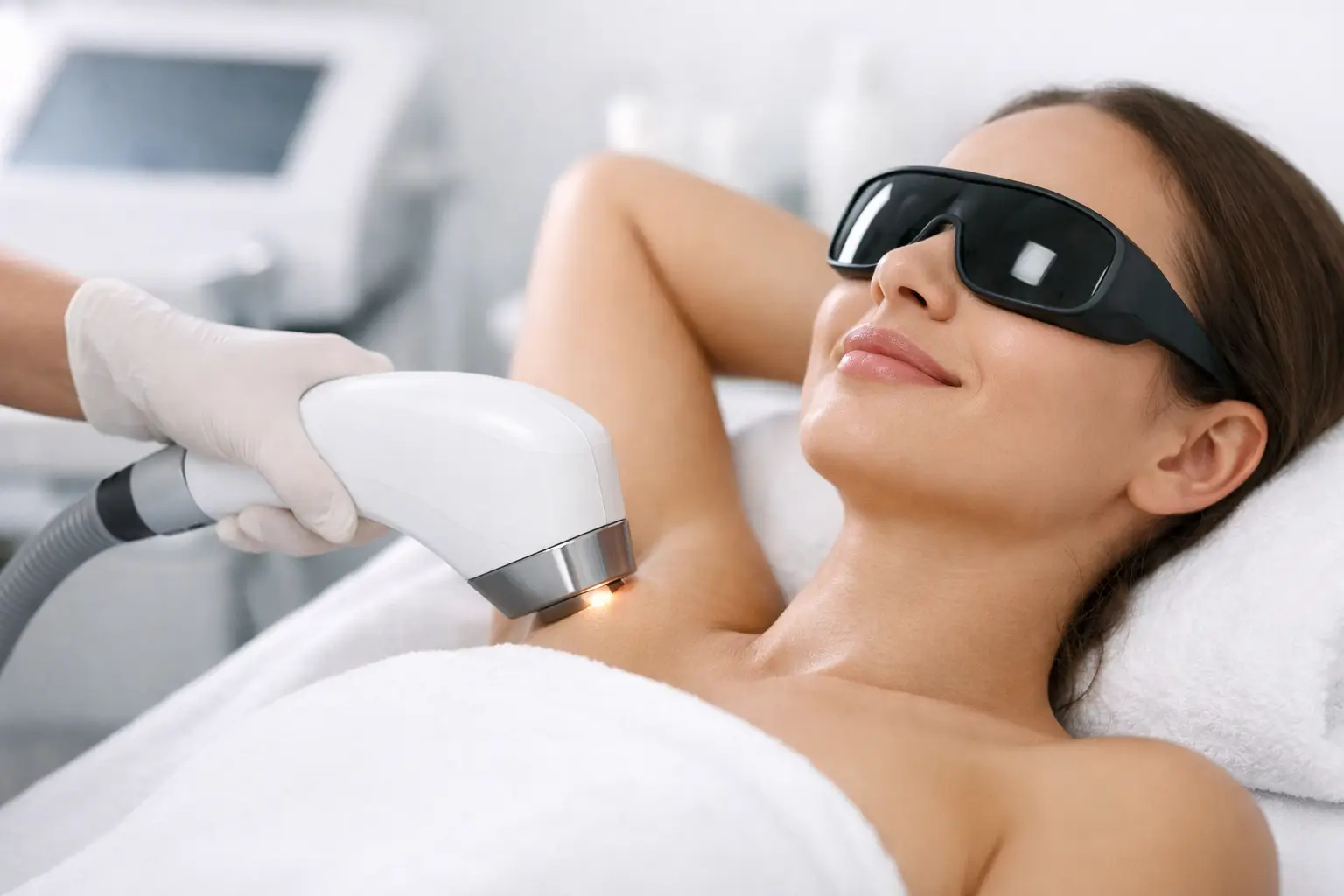
You can learn a lot from reading about laser hair removal, but most people are really asking something simpler: what is laser hair removal like when you are actually in the treatment room? They want to know how it feels, how long it takes, whether it is awkward, and if the results justify the time and cost.
That is the right question to ask. Laser hair removal is not one universal experience. It depends on the area being treated, your skin tone, your hair color and thickness, the technology being used, and how carefully the settings are customized. When performed with advanced, FDA-approved technology and an experienced provider, the experience is typically faster, more manageable, and more comfortable than many first-time clients expect.
The first thing most clients notice is that the appointment feels more clinical and precise than a typical spa service, but not cold or intimidating. The treatment starts with a consultation or review of your treatment plan. Your provider looks at the area, confirms that the skin is in good condition for treatment, and adjusts the laser settings based on your skin type, hair density, and response to previous sessions.
If the area has been properly shaved beforehand, the treatment itself usually moves quickly. Small areas like the upper lip or underarms can be done in minutes. Larger areas like legs or back take longer, but modern devices are designed to treat efficiently.
You will wear protective eyewear, and your provider will move the handpiece across the skin in a controlled pattern. With a premium platform like the GentleMax Pro, many clients also notice the built-in cooling component, which helps make the treatment more comfortable while protecting the skin.
The sensation is often described as a quick snap against the skin, followed by cooling. Some compare it to a rubber band flick. That description is not perfect, but it is close. Certain areas feel easier than others. Underarms and bikini areas tend to feel more intense than arms or lower legs because the skin is more sensitive and the hair is often coarser.
Not every treatment area behaves the same way, and that matters when setting expectations. Facial areas can feel sharp but very quick. Because the sessions are short, most clients tolerate them well. The bikini line usually gets the most attention in online searches because people assume it will be unbearable. In reality, it can be more intense than other zones, but treatment is usually brief, and most clients find it manageable.
Legs and arms often feel easier because the skin is less sensitive, though the session lasts longer. The back and chest can vary depending on hair density. Coarser, darker hair tends to absorb more laser energy, which can create a stronger snapping sensation during early sessions.
This is one reason the provider matters so much. Effective treatment is not about using the highest possible setting on everyone. It is about using the right setting for your skin and hair so the treatment is both safe and productive.
Right after treatment, the skin may look slightly pink or feel warm, similar to mild sun exposure. This is common and usually temporary. In some cases, you may notice small bumps around the hair follicles. That is often a normal response and can actually be a sign that the follicles reacted to the treatment.
Most people return to normal activities the same day. There is usually little to no downtime, but there are aftercare guidelines that matter. Hot showers, intense workouts, saunas, and direct sun exposure are best avoided for a short period after treatment, especially if the skin feels warm or reactive.
The area does not become instantly hair-free. That is one of the biggest misconceptions. Over the next one to three weeks, treated hairs begin to shed. It can look like hair is growing, but often it is the body pushing out hair that was already disabled by the laser.
If you are wondering what is laser hair removal like over time, the honest answer is that it is a process, not a one-and-done fix. Hair grows in cycles, and the laser is most effective when hair is in the active growth phase. Since not every follicle is in that phase at the same time, multiple treatments are needed to target hair effectively.
Most clients need a series of sessions spaced several weeks apart. The exact number depends on the body area, hormones, hair density, and how consistently appointments are scheduled. Facial hair can sometimes require more maintenance because it is more hormonally influenced. Areas like underarms and bikini often respond very well, but even then, a full series is the standard approach.
As treatments continue, clients typically notice that hair grows back more slowly, appears finer, and becomes less dense. Shaving becomes easier. Ingrown hairs often improve. The skin can look smoother simply because there is less irritation from constant shaving or waxing.
Technology makes a real difference, but so does personalization. The best results come from matching the treatment plan to your skin tone, hair type, and goals. Not every laser is ideal for every patient. That is why advanced systems with multiple wavelengths and customizable settings are so valuable in a medical aesthetics setting.
Hair color also matters. Laser hair removal works best when there is strong contrast between the pigment in the hair and the surrounding skin. Dark hair typically responds best. Very light blonde, gray, white, or red hair may respond less predictably because there is less pigment for the laser to target.
Hormones can also influence outcomes. If someone has underlying hormonal hair growth, results may still be excellent, but maintenance treatments could be more important. This is not a reason to avoid treatment. It is simply part of creating a realistic plan.
Preparation has a direct effect on both comfort and safety. The area should usually be shaved before the appointment unless your provider tells you otherwise. Hair should not be waxed, tweezed, or threaded beforehand because the follicle needs to be present for the laser to target it.
Sun exposure is another major consideration. Tanned skin can increase the risk of irritation or pigment changes, so avoiding sun and using proper sun protection before and after treatment is essential. Certain skincare products or medications may also need to be paused depending on the area being treated.
This is where a personalized consultation adds value. A strong provider does not rush through contraindications or use generic settings. They explain what to do before treatment, what to avoid, and how to time your sessions for the best long-term outcome.
A lot of first-time clients worry that laser hair removal will be embarrassing. In practice, appointments are professional, efficient, and handled with a high level of discretion. Providers perform these treatments every day. For them, it is a technical service focused on safety and results.
Another common concern is whether the treatment is worth it compared with shaving or waxing. That depends on your goals. If you are tired of daily maintenance, razor burn, ingrown hairs, or the ongoing cost of waxing, laser hair removal often becomes a high-value investment over time. If you only want to reduce hair in a small area and do not mind regular upkeep, your priorities may be different.
There is also the question of permanence. Laser hair removal is best understood as long-term hair reduction. Many clients enjoy dramatic, lasting improvement, but occasional maintenance can be part of the plan. Honest expectations usually lead to the best satisfaction.
For many adults, the answer is yes, especially if unwanted hair is affecting convenience, skin comfort, or confidence. The ideal candidate is not just someone with the right hair color. It is someone who wants a treatment plan based on precision, proven technology, and expert oversight.
At a medical spa level, the goal is not simply to remove hair. It is to treat the skin responsibly while delivering visible reduction that supports smoother texture and easier maintenance. In a market like Scottsdale, where clients often expect elevated service and real performance, that level of customization matters.
If you are still asking what laser hair removal is like, the simplest answer is this: it is usually quick, tolerable, and far less dramatic than people imagine, but the quality of the experience depends heavily on the technology and the team behind it. The best next step is choosing a provider who treats your skin like it is unique, because it is.

Searching for the best hair removal Phoenix offers? Learn how laser technology, skin-tone expertise, and a personal plan create smoother, lasting results for you.
Compare laser hair removal versus electrolysis, including results, comfort, cost, skin tone, and treatment time, to choose the right approach for you.

Learn how to choose body contouring based on your goals, treatment area, timeline, and skin quality, with safe, personalized guidance for results today.
Monday: 9 AM–7 PM
Tuesday: 9 AM–5 PM
Wednesday: 9 AM–7 PM
Thursday: 9 AM–5 PM
Friday: 9 AM–4 PM
Saturday: 9 AM–4 PM
Sunday: 9 AM–2 PM