
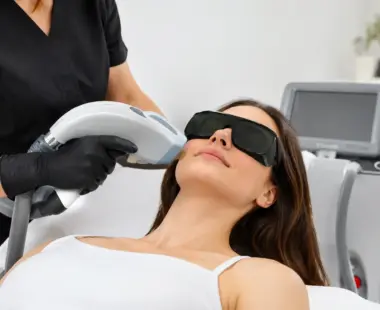
What a GentleMax Pro Experience Really Feels Like
A GentleMax Pro experience combines tailored laser settings, built-in cooling, and expert care for smoother skin with less disruption to your schedule.
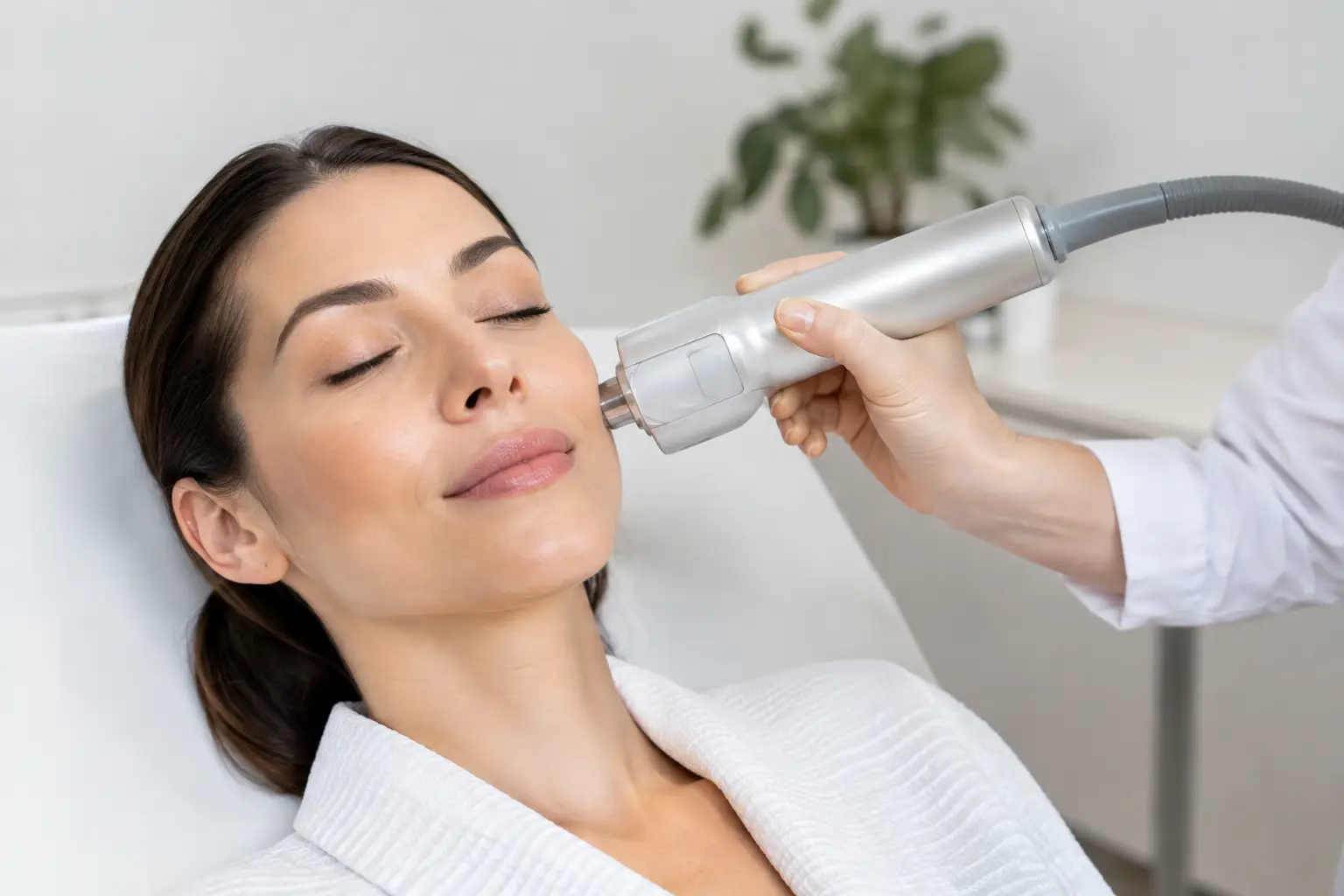
A laser facial can be an efficient way to improve dullness, uneven tone, visible pores, fine lines, and sun-related discoloration without putting life on hold. Still, laser facial downtime is not a single, predictable timeline. It depends on the technology used, the concern being treated, your skin type, and how conservatively or aggressively your provider customizes your settings.
For many Scottsdale and Phoenix-area clients, the goal is clear: meaningful skin improvement with a recovery period that fits a professional schedule, social calendar, and active lifestyle. The right treatment plan makes that possible, but it starts with realistic expectations.
Downtime refers to the period when your skin may look or feel different enough that you prefer to limit makeup, sun exposure, workouts, or social events. Redness, warmth, mild swelling, dryness, and temporary darkening of pigment can all be normal parts of the healing process.
That does not mean every laser facial requires days at home. Many treatments are designed for minimal disruption, while others create a more visible renewal response in exchange for more intensive correction. A qualified provider should explain the likely recovery window before treatment, including what is normal, what deserves a call, and when you can comfortably return to your usual routine.
Not all laser technology interacts with the skin in the same way. The most appropriate option depends on whether you are focused on redness, brown spots, texture, laxity, acne scarring, or overall skin quality.
A YAG laser facial is often a strong choice for clients who want refreshed-looking skin with little interruption. Depending on the protocol and your goals, you may experience a flushed appearance and mild warmth for several hours, occasionally lasting into the next day. Most clients can return to work and daily activities quickly, provided they follow post-treatment instructions and protect their skin from the Arizona sun.
This type of treatment may be especially appealing before an event, although it is still wise to schedule it at least several days ahead. Even a low-downtime treatment can cause temporary sensitivity, and every skin response is individual.
Fractional non-ablative resurfacing works beneath the surface to support collagen remodeling while leaving much of the skin intact. It is commonly selected for texture concerns, fine lines, enlarged pores, acne scarring, and uneven pigmentation.
Recovery is usually more noticeable than with a gentle laser facial. Expect redness similar to a moderate sunburn for one to three days, along with dryness, a tight feeling, and possible bronzing or a sandpaper-like texture as the skin renews. Some clients experience light flaking for several days. Makeup may be appropriate after the initial recovery period if your provider approves it, but gentle skin care is essential.
The trade-off is worth considering: a more intensive non-ablative treatment can offer deeper, cumulative improvement, but it is not the best choice two days before a wedding, presentation, or family photos.
Laser treatments for sun spots, redness, or visible vessels can create specific short-term changes that are easy to mistake for a complication. Pigmented spots often darken before they lift away or fade. This can take roughly one to two weeks, depending on the area treated and your skin’s healing response.
Redness or small vessels may appear temporarily more visible immediately after treatment before they begin to fade. Swelling is usually mild, though it can be more pronounced around the eyes. Your provider may recommend scheduling these treatments around important events, especially if visible pigment is a primary concern.
The same device can produce very different recovery experiences from one person to the next. That is why a one-size-fits-all laser treatment is never the standard for quality care.
Your skin tone, sensitivity level, history of hyperpigmentation, current skin condition, medication use, and recent sun exposure all matter. So do the energy settings, treatment depth, and number of passes selected. Higher-intensity settings may be appropriate for certain concerns, but they can also increase redness, swelling, and peeling.
An experienced provider balances visible results with responsible treatment parameters. At Laser Aesthetics, personalized planning is central to that process, using advanced FDA-approved technology and a close assessment of what your skin can safely tolerate. For clients with deeper skin tones or a history of post-inflammatory pigmentation, this precision is particularly important.
The best post-laser experience begins before your appointment. Avoid intentional tanning and significant unprotected sun exposure in the weeks leading up to treatment. Tanned or irritated skin can increase the risk of unwanted pigment changes and may require your provider to postpone the session.
Share a complete health history during your consultation. Certain acne medications, photosensitizing medications, active cold sores, inflammatory skin conditions, and recent cosmetic procedures can affect your treatment timing. If you are prone to cold sores, ask whether preventive medication is appropriate when treating around the mouth.
In the days before treatment, follow the guidance you are given about retinoids, exfoliating acids, scrubs, waxing, and other potentially irritating products. Do not assume that a favorite active serum is harmless simply because it is part of your normal routine. Temporarily simplifying skin care can help protect the skin barrier before laser energy is introduced.
After treatment, your skin needs calm, not a complicated product lineup. Cleanse with a gentle, non-exfoliating formula and use a simple moisturizer recommended for your skin. Apply broad-spectrum sunscreen daily, and be especially disciplined about reapplying when you are outdoors. In North Scottsdale, even a short drive, patio lunch, or morning walk can expose healing skin to intense UV radiation.
For the first 24 to 48 hours, your provider may advise skipping strenuous exercise, hot yoga, steam rooms, saunas, and very hot showers. Heat and sweat can prolong redness and irritation. Avoid picking, rubbing, scrubbing, or pulling at flaking skin. Let pigment and dry patches resolve naturally to reduce the chance of scarring or uneven discoloration.
Hold off on retinoids, exfoliating acids, benzoyl peroxide, and other active ingredients until your provider says your skin is ready. Makeup may be fine after certain low-downtime treatments, but do not apply it to skin that is open, blistered, or significantly irritated. Clean brushes and non-comedogenic products are a smart choice once makeup is approved.
Mild redness, warmth, tenderness, dryness, and temporary swelling are common. However, increasing pain, significant blistering, oozing, widespread rash, or swelling that worsens rather than improves deserves prompt professional guidance.
Do not attempt to treat an unexpected reaction with harsh products or internet remedies. Contact your provider so the response can be evaluated in the context of the exact laser, settings, and areas treated. Clear aftercare support is part of a premium treatment experience, not an extra.
If you want a subtle glow before a special occasion, choose a lower-downtime option and schedule it early enough to account for your individual response. If your priority is more substantial improvement in texture or pigment, plan for a wider recovery window and understand that your best results may continue developing over weeks as collagen remodeling progresses.
A laser facial should fit your life, not complicate it. The most satisfying results come from pairing the right technology with honest recovery planning, consistent sun protection, and a treatment schedule designed entirely around your skin and your goals.

A GentleMax Pro experience combines tailored laser settings, built-in cooling, and expert care for smoother skin with less disruption to your schedule.

A guide to scalp hair restoration explains causes of thinning, treatment options, candidacy, timelines, and how personalized plans support fuller hair.
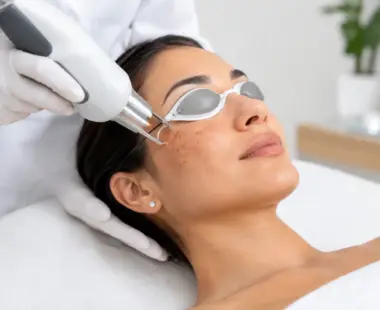
See why the best laser treatments for pigmentation vary for sun spots and melasma, and how skin tone, goals, and downtime shape a safe plan with care.
Monday: 9 AM–7 PM
Tuesday: 9 AM–5 PM
Wednesday: 9 AM–7 PM
Thursday: 9 AM–5 PM
Friday: 9 AM–4 PM
Saturday: 9 AM–4 PM
Sunday: 9 AM–2 PM