

Best Laser for Dark Skin and Safer Hair Removal
Searching for the best laser for dark skin? Learn why Nd:YAG technology, expert settings, and a personalized plan make safer hair removal possible today.
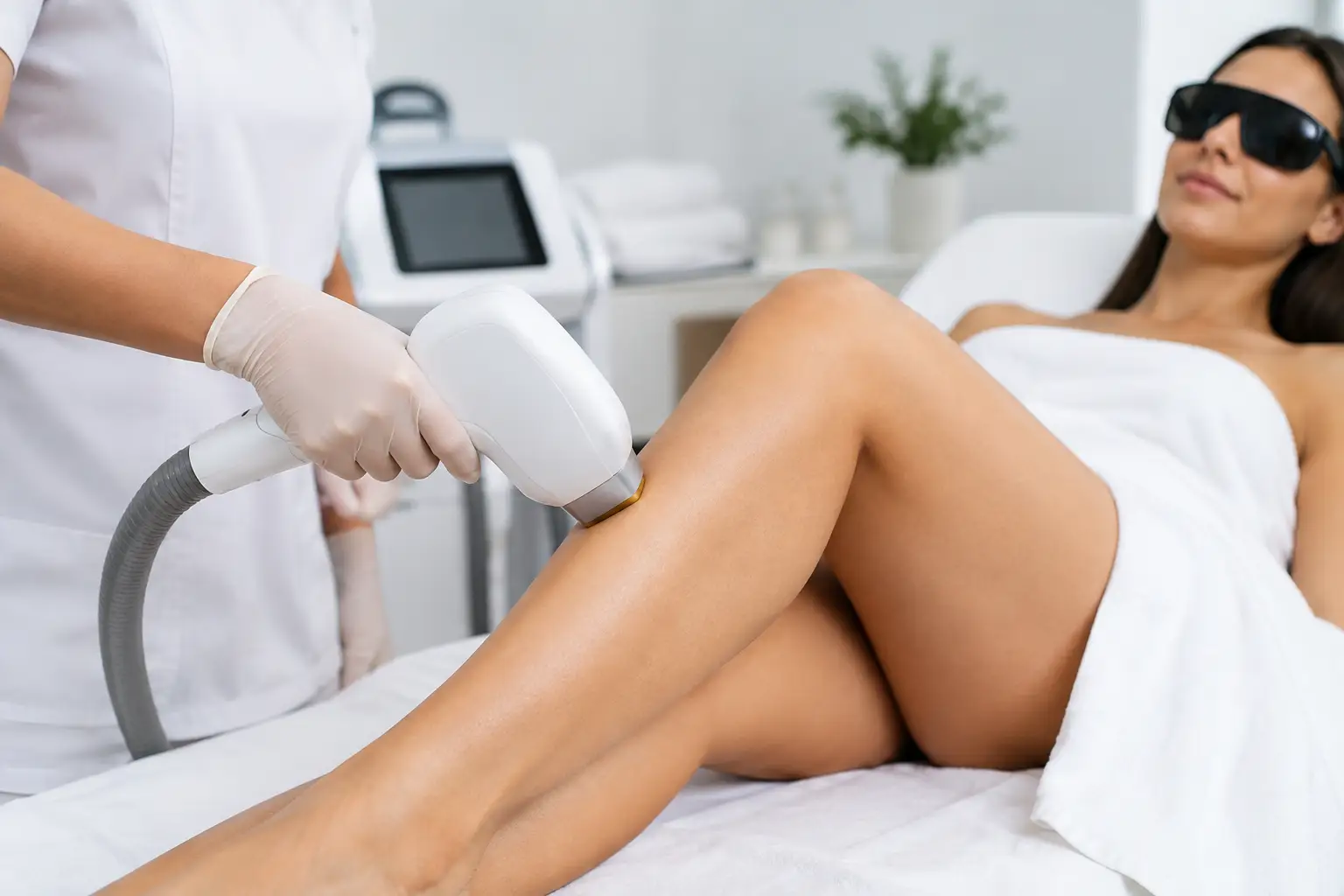
You finished a series of laser hair removal sessions, enjoyed smoother skin, and then noticed a few hairs returning. It is a common reason clients ask, what causes laser hair regrowth? The answer is rarely that treatment simply failed. More often, it comes down to the hair growth cycle, hormonal changes, the characteristics of the hair being treated, and the settings or timing required for your skin.
Laser hair removal is designed for lasting hair reduction, not a guarantee that every follicle will be permanently eliminated after one treatment plan. A precise, personalized approach helps create the most visible and durable improvement while protecting the skin.
A laser works by directing energy toward melanin, the pigment in a hair. When a hair is actively connected to its follicle, the heat can damage the follicle’s ability to grow hair. But hair does not all grow at the same time. Only follicles in the active growth phase are ideal treatment targets during a given appointment.
That distinction explains why a series is necessary. Hairs that were resting beneath the surface during one session may emerge weeks later. They can look like regrowth, but they may actually be a different group of hairs entering an active phase for the first time since treatment began.
Long-term maintenance is also normal for certain areas. The face, underarms, bikini area, and other hormone-responsive zones can develop new active follicles over time, even after an excellent initial response. The goal is consistently less hair, finer hair, slower growth, and less need for shaving or waxing.
Hair moves through active, transitional, and resting stages. Because laser energy has its strongest effect on actively growing hair, treatments are spaced to catch more follicles as they enter that stage. Treating too close together may mean targeting hairs that are not yet ready. Waiting too long can interrupt the rhythm of a treatment plan and allow more visible growth between visits.
The ideal interval depends on the body area. Facial hair often needs closer scheduling than leg or back hair because its cycle can move faster. A customized plan is more reliable than applying the same calendar to every area.
Hormonal shifts are one of the leading answers to what causes laser hair regrowth, especially when new coarse hair appears on the chin, jawline, neck, chest, or abdomen. Pregnancy, perimenopause, menopause, polycystic ovary syndrome, thyroid conditions, and certain medications can influence hair growth patterns.
Laser treatment can successfully reduce the follicles that are present and treatable, but it cannot prevent a future hormonal change from activating previously quiet follicles. This is why periodic maintenance sessions can be valuable. If hair growth becomes suddenly heavier, darker, or more widespread, a conversation with your medical provider may also be appropriate.
Dark, coarse hair typically responds best because it contains more pigment for the laser to recognize. Fine hair can be more difficult to treat, particularly if it is light brown, blonde, red, gray, or nearly colorless. The laser needs enough contrast between the pigment in the hair and the surrounding skin to deliver effective energy safely.
A hair that becomes finer after treatment may still return, but that is often a sign of improvement rather than a setback. Reduced density and softer, less visible hair are meaningful outcomes, even if the area is not completely hair-free.
Effective laser hair reduction requires more than a powerful device. The settings must be selected for your hair density, hair color, skin tone, treatment area, recent sun exposure, and sensitivity. If energy is set too conservatively, follicles may be warmed without receiving enough heat for a lasting response. If it is set too aggressively, the risk of skin irritation or pigment changes rises.
This balance is particularly important for deeper skin tones and tanned skin. A skilled provider adjusts treatment parameters thoughtfully rather than chasing the highest possible setting. Advanced platforms such as the GentleMax Pro offer flexibility across a range of skin types and treatment areas, but results still depend on knowledgeable assessment and precise execution.
Preparation also affects the treatment target. Shaving shortly before an appointment is generally recommended because it leaves the follicle in place while reducing surface hair that can absorb energy. Waxing, tweezing, and epilating remove the hair from the follicle and can make the laser less effective. Consistent shaving between sessions is usually fine, while plucking should be avoided during the treatment series.
Rarely, some people experience paradoxical hypertrichosis, a term for increased or coarser hair growth in or near a treated area. It is reported more often around the face and neck, particularly in people with finer hair or underlying hormonal influences. Researchers are still studying exactly why it occurs, but low or subtherapeutic energy levels, hair type, and hormonal sensitivity may play a role.
This is not the typical explanation for a few returning hairs after laser hair removal. Most apparent regrowth is better explained by normal cycling, incomplete treatment of a follicle, or new hormonally influenced growth. Still, it is worth raising any unexpected change with your provider promptly. A careful evaluation can determine whether adjusting the treatment strategy, treating a broader area, or changing the interval may help.
The most successful treatment plans are built around realistic expectations and consistency. Complete the recommended series, attend sessions at the advised intervals, avoid tanning, and follow pre- and post-treatment instructions. Let your provider know about changes in medications, pregnancy status, hormone-related symptoms, or significant shifts in your skin tone.
It also helps to judge progress over months rather than days. After a session, treated hairs may appear to grow before they shed. This can happen one to three weeks after treatment and does not mean the laser missed them. Resist the urge to tweeze them; gentle exfoliation, if recommended for your skin, can help released hairs work their way out.
Photos and occasional progress check-ins create a clearer picture than memory alone. Your provider can compare density, thickness, and coverage over time, then refine your plan if an area is not responding as expected. At Laser Aesthetics, treatment planning is designed around your skin, hair, goals, and comfort, not a one-size-fits-all protocol.
Maintenance is not a sign that your original treatments did not work. It is often the practical next step for preserving smooth results as your body changes. Some clients may want a touch-up once or twice a year, while others need less frequent care. Areas with dense, dark body hair may remain smooth longer than hormonally influenced facial areas.
If you are unsure whether you are seeing normal cycling, new growth, or a treatment issue, a professional assessment is the best place to start. The right plan should leave you feeling informed, comfortable, and confident in each step. Smooth skin is not about chasing perfection – it is about using advanced technology and personalized care to achieve results that fit your life.
Searching for the best laser for dark skin? Learn why Nd:YAG technology, expert settings, and a personalized plan make safer hair removal possible today.
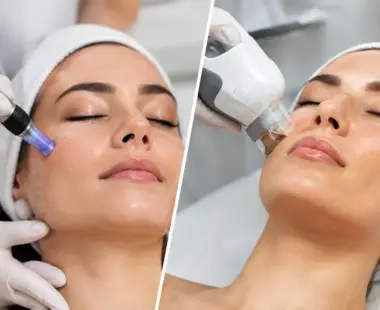
Microneedling versus resurfacing: compare downtime, skin concerns, comfort, and results to choose the right personalized treatment for your goals today.
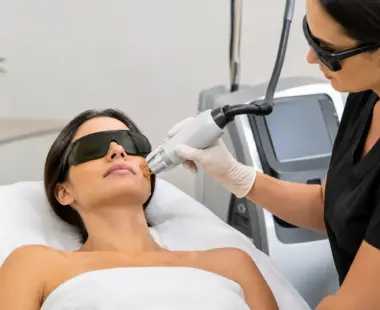
Learn how GentleMax Pro targets unwanted hair, pigmentation, and skin concerns with personalized settings, comfort, precision, and care. For visible results.
Monday: 9 AM–7 PM
Tuesday: 9 AM–5 PM
Wednesday: 9 AM–7 PM
Thursday: 9 AM–5 PM
Friday: 9 AM–4 PM
Saturday: 9 AM–4 PM
Sunday: 9 AM–2 PM