
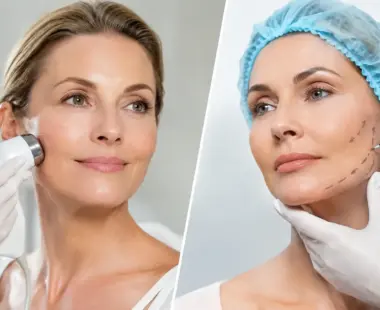
RF Versus Surgical Facelift: Which Fits You?
RF versus surgical facelift: compare lifting power, downtime, longevity, and candidacy to choose a personalized path to firmer, more youthful-looking skin.
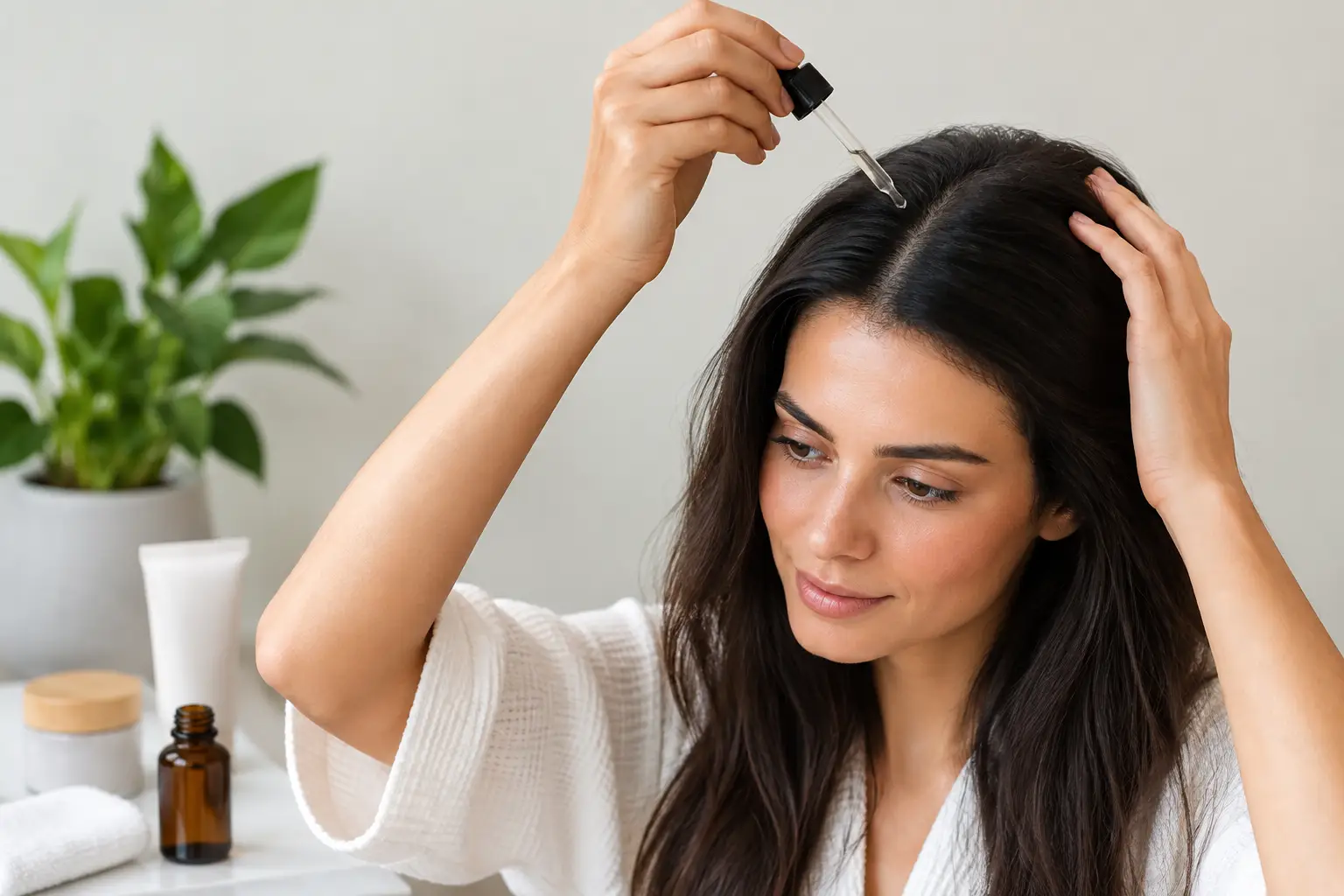
Seeing more hair in the shower drain, on your pillowcase, or caught in your brush can feel alarming – especially when your hair has always been part of how you present yourself. The best scalp treatments for shedding are not simply the most expensive options or the newest social-media trend. They are the treatments matched to the reason your shedding started, the health of your scalp, and your goals for restoring fuller-looking hair.
Hair shedding is common, but it is not always the same as progressive hair thinning. A healthy scalp is the foundation for healthy hair growth, which is why a personalized assessment matters before committing to products, supplements, or in-office treatment. The right plan can help calm irritation, support the follicle environment, and address patterns that may otherwise continue.
Hair naturally cycles through growth, transition, and resting phases. At the end of the resting phase, a hair sheds so a new one can grow in. Most people lose some strands daily without noticing a change in density. The concern is a noticeable increase in shedding, a widening part, more scalp visibility, or a ponytail that feels less substantial over time.
A temporary shedding episode can follow a stressful event, illness, surgery, rapid weight loss, a high fever, hormonal shifts, or stopping certain medications. This is often called telogen effluvium. In many cases, shedding improves after the underlying trigger has resolved, though regrowth takes patience because hair moves slowly through its cycle.
Other concerns need a more targeted approach. Genetic thinning can gradually affect the hairline, crown, or part. Scalp inflammation, flaking, product buildup, tight styling, thyroid concerns, nutritional deficiencies, and autoimmune conditions may also play a role. That is why a treatment that helped a friend may not be the right answer for you.
The strongest treatment plan usually combines scalp health, clinically appropriate hair-growth support, and consistent follow-through. Results depend on the cause of shedding, how long it has been happening, and whether follicles are still active.
Before choosing a treatment, start by identifying the pattern. An experienced provider can assess areas of reduced density, scalp condition, hair caliber, and lifestyle factors that may contribute to shedding. If your history suggests a medical cause, a dermatologist or primary care provider may recommend lab work or additional evaluation.
This step protects you from spending months on an approach that does not address the issue. It also establishes a realistic baseline. Hair restoration is not an overnight process, and visible improvement is often measured over several months rather than a few weeks.
An itchy, flaky, oily, or irritated scalp may benefit from targeted scalp care. Depending on the concern, that can include medicated shampoos, anti-inflammatory options prescribed by a clinician, or professional exfoliation designed to remove excess oil, dead skin cells, and product residue.
A clean scalp is not the same as an aggressively scrubbed scalp. Over-exfoliating, using harsh essential oils, or washing with overly stripping products can worsen sensitivity and breakage. The goal is a balanced scalp environment where follicles are not competing with inflammation or buildup.
For people with dandruff or seborrheic dermatitis, treating the condition can reduce discomfort and improve scalp health. It may not independently reverse genetic thinning, but it can be a meaningful part of a complete shedding plan.
Topical minoxidil is one of the most established options for certain forms of pattern-related thinning. It works by supporting the growth phase of the hair cycle and can be helpful for both women and men when used consistently under appropriate guidance.
There is a trade-off: some people experience an initial increase in shedding as follicles transition into a new growth cycle. This can be frustrating, but it does not automatically mean the treatment is failing. Scalp irritation, dryness, or unwanted hair growth in surrounding areas can also occur. A provider can help you choose a formulation and routine that fits your skin sensitivity and treatment goals.
Minoxidil is not right for everyone. Pregnant or breastfeeding patients, people with certain cardiovascular concerns, and anyone with sudden unexplained shedding should speak with a qualified medical professional before starting it.
Platelet-rich plasma, commonly called PRP, uses a concentrated portion of your own blood that contains growth factors. After a small blood draw and processing, the platelet-rich solution is placed into targeted areas of the scalp through a series of injections.
PRP is often considered for early to moderate thinning when follicles remain viable. It can be an appealing option for clients who want a non-surgical treatment using their own biology, particularly as part of a broader plan. Research is promising for some forms of hair loss, but response varies. PRP is not a guaranteed cure, and it is typically performed as an initial series followed by maintenance sessions.
The quality of the protocol matters. Proper patient selection, precise placement, and an individualized schedule are more valuable than a one-size-fits-all package. Mild tenderness, swelling, or temporary redness after treatment is possible, but downtime is generally limited.
Professional scalp microneedling creates controlled microchannels in the skin to support the body’s natural repair response and improve the delivery of select topical treatments. It may be used alongside PRP or topical hair-growth therapies for appropriate candidates.
This is not an invitation to use an aggressive at-home roller. Incorrect needle depth, poor device hygiene, or treating an inflamed scalp can cause irritation, infection, or additional trauma. A professionally guided treatment plan is safer and more precise, particularly for clients managing active shedding.
Low-level light therapy uses specific wavelengths of red light to support cellular activity around the follicle. FDA-cleared laser caps, combs, and in-office devices may be useful for people with certain types of pattern hair thinning who are willing to use them consistently.
The advantage is convenience and minimal downtime. The limitation is that light therapy tends to be gradual and requires ongoing adherence. It is often most effective as one part of a personalized program rather than the only treatment used for significant shedding.
Avoid panic-buying every scalp serum on your feed. Many cosmetic products can make hair feel softer, reduce breakage, or create the appearance of volume, but they cannot correct every cause of shedding. Claims that promise dramatic regrowth in days deserve skepticism.
It is also wise to pause tight extensions, frequent chemical processing, and high-heat styling if your hair feels fragile. These practices do not always affect the follicle itself, but they can increase breakage and make reduced density look more severe. Gentle handling, adequate protein and iron intake, and stress management support the larger picture, although supplements should not replace a medical evaluation when shedding is sudden or pronounced.
Schedule an evaluation promptly if you develop bald patches, scalp pain, burning, scaling, pustules, or scarring. The same is true if shedding begins suddenly, lasts longer than several months, follows a medication change, or comes with fatigue, weight changes, irregular periods, or other health symptoms.
Early care can be especially valuable because some inflammatory and autoimmune forms of hair loss require medical treatment to protect follicles. Waiting for a cosmetic product to solve a medical concern can delay the care that makes the greatest difference.
At Laser Aesthetics, hair restoration planning is designed around your individual shedding pattern, scalp condition, lifestyle, and comfort level. For clients in North Scottsdale and the greater Phoenix area, that means thoughtful guidance rather than pressure to pursue every available option. A personalized consultation can clarify whether a professional scalp treatment, PRP, microneedling, home care, or referral for medical evaluation is the most appropriate next step.
The most effective plan is the one you can follow consistently and confidently. If your shedding has changed the way you feel about your hair, a professional assessment can replace guesswork with a clear, medically informed path forward.

RF versus surgical facelift: compare lifting power, downtime, longevity, and candidacy to choose a personalized path to firmer, more youthful-looking skin.
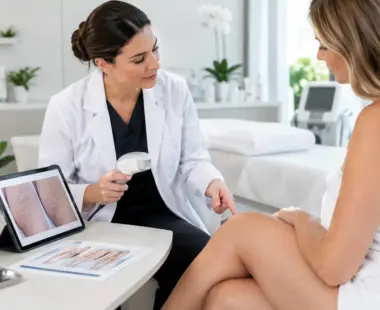
Our cellulite treatment review explains why dimpling forms, which options can improve it, and how personalized care supports smoother-looking skin over time.

Learn how to improve cellulite appearance with lifestyle habits and advanced non-surgical treatments designed for smoother, firmer-looking skin with care.
Monday: 9 AM–7 PM
Tuesday: 9 AM–5 PM
Wednesday: 9 AM–7 PM
Thursday: 9 AM–5 PM
Friday: 9 AM–4 PM
Saturday: 9 AM–4 PM
Sunday: 9 AM–2 PM