
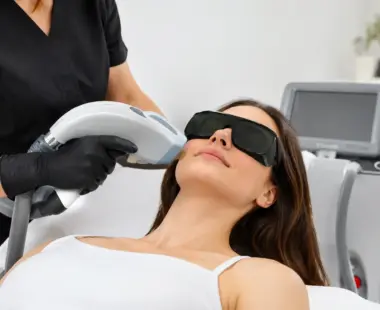
What a GentleMax Pro Experience Really Feels Like
A GentleMax Pro experience combines tailored laser settings, built-in cooling, and expert care for smoother skin with less disruption to your schedule.

A widening part, more scalp visible under Scottsdale sunlight, or extra hair collecting in the shower can make thinning feel suddenly urgent. A guide to scalp hair restoration should begin with one reassuring fact: hair loss is common, but the right next step depends on why it is happening, how long it has been progressing, and the health of your scalp.
Non-surgical hair restoration can be a powerful option for adults who want fuller-looking hair without surgery or a lengthy recovery. Results are rarely instant, and no responsible provider should promise the same outcome for every client. With early action, consistent care, and a plan designed around you, many people can slow shedding, strengthen existing follicles, and improve visible density.
Hair restoration is not one treatment. It is a category of approaches intended to support the hair follicle, improve scalp conditions, and help existing hair grow with greater strength and density. It is generally most effective when follicles are still present but producing finer, shorter hairs.
Pattern hair loss is the most common concern. In men, it often appears as recession at the temples or thinning at the crown. In women, it may show up as a widening part, reduced volume through the top of the scalp, or more diffuse thinning. Genetics and hormone sensitivity play a major role, but they are not the whole story.
Stress, rapid weight changes, illness, nutrient deficiencies, thyroid conditions, medication changes, postpartum hormone shifts, tight hairstyles, and inflammatory scalp conditions can all contribute to shedding or breakage. That distinction matters. A treatment that supports hereditary thinning may not solve shedding caused by an untreated medical concern.
A thoughtful consultation considers your pattern of loss, family history, recent health changes, current medications, hair-care habits, and goals. If your shedding is sudden, patchy, painful, accompanied by scalp scaling, or associated with other symptoms, medical evaluation should come first. Identifying the cause protects both your health and your investment in treatment.
A personalized plan may include one approach or a combination. The best option is based on your diagnosis, degree of thinning, lifestyle, budget, and willingness to maintain results over time.
Platelet-rich plasma, often called PRP, uses a concentrated portion of your own blood that contains platelets and growth factors. After a blood draw and processing, the PRP is carefully placed into targeted areas of the scalp. The goal is to create an environment that supports follicle activity and healthier hair growth.
PRP is commonly chosen by clients with early to moderate thinning who want a non-surgical option with minimal downtime. Most treatment plans involve a series of initial sessions, followed by maintenance visits. You may have temporary tenderness, redness, or a feeling of fullness in the scalp, but many clients return to normal activities quickly.
PRP is not a guaranteed solution, and outcomes vary. Scientific research is promising, particularly for androgenetic hair loss, but protocols differ among providers and PRP is not FDA-approved specifically as a hair-loss treatment. A qualified provider should be direct about those limits while explaining whether you are a strong candidate.
Scalp microneedling creates controlled microchannels in the skin using a professional device. This process may stimulate the scalp’s natural repair response and can be incorporated into a broader hair restoration plan. It is often considered for clients with thinning who are seeking to support scalp health and improve the response to topical therapies.
Technique matters. Needle depth, treatment frequency, cleanliness, and aftercare should be customized to your scalp and hair-loss pattern. Professional treatment is especially valuable for people with sensitive skin, pigment concerns, active inflammation, or uncertainty about whether at-home devices are appropriate.
Some people benefit from physician-guided medications or topical treatments. Topical minoxidil is an FDA-approved option for certain forms of hereditary hair loss and is available in formulations for men and women. It requires consistency, and some users notice temporary increased shedding when starting treatment as hairs cycle into a new growth phase.
Prescription options may be appropriate for some patients, depending on sex, medical history, pregnancy plans, and the specific cause of hair loss. These decisions should be made with a licensed medical professional who can review potential side effects and monitor your response.
Low-level light therapy is another non-invasive option. Certain devices are FDA-cleared to support hair growth, though results can be gradual and vary by individual. It may fit clients who value a convenient at-home routine and are prepared to use it consistently for months.
Non-surgical restoration works with existing follicles. If an area is completely smooth, shiny, or has been bare for years, there may be too few active follicles for regenerative treatments to create meaningful coverage. A surgical hair transplant may be a more suitable route for those areas, especially when donor hair is available.
This is not a failure of non-surgical care. It is simply a question of biology and realistic planning. Many people use medical or non-surgical treatments before and after a transplant to preserve their existing hair.
Hair growth moves slowly. Most people need three to six months before they can fairly judge early changes, and more meaningful improvement may continue over nine to 12 months. Early wins can include less shedding, improved texture, and hair that appears stronger before there is an obvious change in density.
Photography is one of the most useful tools in the process. Images taken under the same lighting, angle, and hair position offer a more reliable comparison than checking the mirror day to day. At Laser Aesthetics, a personalized treatment conversation should focus on measurable progress and a plan that fits your comfort level, not pressure to pursue every available option.
Maintenance is part of honest hair restoration planning. Hereditary thinning tends to progress over time, so treatments that help you achieve improvement may need to continue at an individualized interval. Think of it less as a one-time cosmetic appointment and more as ongoing care for a concern influenced by genetics, hormones, and scalp health.
The quality of your assessment matters as much as the treatment itself. Look for a provider who asks detailed questions, examines the scalp, explains what the treatment can and cannot do, and discusses alternatives when appropriate. You should understand the anticipated number of sessions, possible side effects, aftercare, and maintenance before beginning.
Be cautious with dramatic before-and-after claims that do not disclose timelines, styling, lighting, or other treatments used at the same time. Hair can look substantially fuller with strategic styling, fibers, and lighting changes. Genuine progress deserves a clear, realistic conversation.
It also helps to protect the hair you have. Avoid frequent high-tension styles, aggressive bleaching, excessive heat, and crash dieting. Use gentle scalp care, prioritize protein and balanced nutrition, and address persistent dandruff, itching, or irritation rather than treating the scalp as an afterthought.
The strongest candidates usually have early to moderate thinning, active follicles, and realistic expectations. They are willing to commit to a series of treatments or a consistent home routine, and they understand that improvement may be gradual. Men and women can both be candidates, although the best treatment approach can differ substantially.
A consultation is also the right time to discuss what success means to you. For one person, success is a denser-looking part. For another, it is less shedding, better crown coverage, or the confidence to wear their hair without constantly adjusting it. Clear goals help determine whether a non-surgical plan is likely to feel worthwhile.
The most effective time to seek help is often before thinning becomes advanced. If you are noticing a change in density or shedding that does not settle, schedule a professional assessment and bring your questions. A well-designed plan can give your scalp the attention it deserves and help you move forward with greater confidence in every reflection.

A GentleMax Pro experience combines tailored laser settings, built-in cooling, and expert care for smoother skin with less disruption to your schedule.
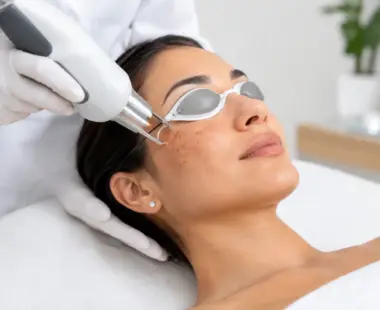
See why the best laser treatments for pigmentation vary for sun spots and melasma, and how skin tone, goals, and downtime shape a safe plan with care.
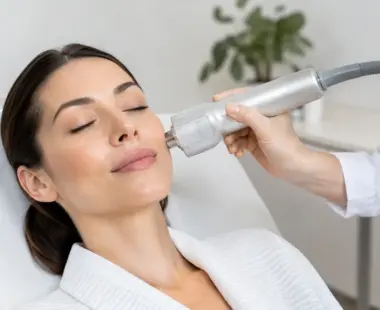
Laser facial downtime varies by treatment. Learn what redness, peeling, and recovery may look like, plus how personalized aftercare supports results safely.
Monday: 9 AM–7 PM
Tuesday: 9 AM–5 PM
Wednesday: 9 AM–7 PM
Thursday: 9 AM–5 PM
Friday: 9 AM–4 PM
Saturday: 9 AM–4 PM
Sunday: 9 AM–2 PM