

Best Hair Removal Phoenix Options for Smooth Skin
Searching for the best hair removal Phoenix offers? Learn how laser technology, skin-tone expertise, and a personal plan create smoother, lasting results for you.

You may notice it first in photos: a wider part, more scalp showing beneath bright Scottsdale sunlight, or a hairline that no longer frames your face the same way. A hair restoration consultation turns that concern into a clear, medically informed plan. Rather than guessing which treatment may help, you can understand what may be contributing to thinning, what results are realistic, and which non-surgical options fit your goals.
Hair loss is personal, and it rarely follows the same pattern from one person to the next. The best plan accounts for your hair density, scalp health, lifestyle, medical history, and how quickly you want to see change. It should also protect the hair you have now while supporting healthier-looking growth over time.
Hair thinning can be influenced by genetics, hormonal shifts, stress, nutritional deficiencies, medications, illness, traction from styling, and normal aging. Men may see recession at the temples or thinning at the crown. Women may notice diffuse thinning, a broader part, or less volume around the hairline. Those patterns offer useful clues, but they do not replace a careful assessment.
A consultation is where your provider separates a temporary shedding episode from a longer-term pattern of loss, as far as an aesthetic evaluation can determine. If your symptoms suggest an underlying medical concern, sudden hair loss, inflammation, or a scalp condition, you may be advised to seek evaluation from a physician or dermatologist before moving ahead. That is not a setback. It is part of choosing care responsibly.
For appropriate candidates, non-surgical hair restoration can be a valuable option for improving the appearance of density, supporting the scalp environment, and helping existing follicles perform at their best. Results depend on the cause and stage of hair loss. Early intervention often gives you more existing hair to preserve, but meaningful improvement is still possible for many people with established thinning.
A quality consultation should feel focused, private, and straightforward. At Laser Aesthetics, the conversation is designed around you, not around a one-size-fits-all treatment menu. You should leave knowing what has been recommended, why it was recommended, and what the process will require.
Your provider will ask when you began noticing changes and whether thinning has been gradual or sudden. Be prepared to discuss family history, recent stressors, major weight changes, pregnancy or postpartum changes, menopause, medications, supplements, and previous hair treatments. Bring up scalp sensitivity, itching, flaking, or tenderness as well.
This context matters because hair follows cycles. A stressful event several months ago can sometimes appear later as increased shedding. On the other hand, a slowly widening part over several years may call for a long-term maintenance strategy. Honest details help guide a more precise recommendation.
Your provider will evaluate areas of thinning, the distribution of hair loss, your current density, and the condition of your scalp. They may look at the frontal hairline, temples, crown, and part line to identify where support is needed most. Photos may be taken for your private treatment record so progress can be assessed consistently over time.
That baseline is more useful than relying on memory. Hair changes gradually, which can make real improvement hard to recognize day to day. Consistent photographs help you and your provider evaluate whether the plan is moving in the right direction.
Not every hair restoration treatment is right for every client. Your consultation should include questions about medical conditions, current medications, history of scalp disorders, active infections, allergies, and recent procedures. This is also the time to discuss whether you are pregnant, nursing, or planning a major medical treatment.
A trusted provider will be candid about limitations. Areas with completely inactive follicles may not respond the way areas with miniaturized but active follicles can. If a treatment is unlikely to create the outcome you want, clear guidance is far more valuable than an over promise.
The right hair restoration plan is rarely about one appointment. Hair growth is slow, and follicles move through their own phases. Most clients need a series of treatments and time for visible changes to develop. Your provider should explain the recommended schedule, when to expect early signs of progress, and how maintenance may fit into your routine.
Depending on your needs, a plan may include non-surgical treatments designed to stimulate the scalp and support healthier-looking hair growth. It may also include guidance on physician-directed options when appropriate. Some clients benefit from combining professional treatments with a targeted at-home routine, while others prefer a more streamlined approach built around in-office care.
The trade-off is usually between speed, budget, and intensity. A more comprehensive series may offer stronger support for someone with active thinning, while a gradual maintenance plan may suit a client whose goal is to preserve density and address early changes. Your provider should help you compare these paths without pressure.
You do not need to arrive with perfect terminology. The most useful questions are the ones that help you make a confident decision. Ask what type of thinning your provider sees, whether the proposed treatment is designed to preserve existing hair, improve visible density, or both. Ask how many sessions are recommended, how far apart they are scheduled, and what happens if you miss an appointment.
It is also reasonable to ask about comfort, downtime, potential side effects, and aftercare. Many non-surgical treatments are designed to fit into a busy schedule with little to no disruption, but individual experiences vary. If you color your hair, wear extensions, use topical products, or have an important event coming up, mention it before scheduling.
Finally, ask how progress will be measured. A thoughtful answer should include consistent photos, periodic reassessment, and a realistic timeline. Hair restoration is not an overnight transformation. It is a strategic process that rewards consistency and adjustments based on how your scalp and hair respond.
Arrive with clean hair and a scalp free of heavy styling products whenever possible. Bring a list of medications and supplements, and consider noting when you first noticed thinning and whether it followed a significant life or health event. If you have older photos that show a change in your hairline, part, or density, they can be helpful context.
Avoid starting several new hair products immediately before the consultation. Doing so can make it harder to tell what may be irritating your scalp or affecting shedding. You also do not need to stop using your usual shampoo or styling routine unless a medical professional has advised you to do so.
Most importantly, be clear about your goal. Some clients want their part to look less visible. Others want to support a receding hairline, improve crown coverage, reduce shedding, or feel more confident wearing their hair up. A specific goal gives your provider a better standard for building and evaluating your plan.
The hair growth cycle moves at its own pace. It is common for early progress to be subtle, such as less shedding, improved texture, or hair that appears easier to style. Visible changes in density can take several months, and results vary based on genetics, the degree of thinning, adherence to the plan, and overall health.
That timeline can feel slow, especially when hair loss has affected your confidence. But a consultation gives you something more useful than a quick fix: an informed starting point. With the right evaluation, advanced non-surgical options, and a plan designed around your hair, you can move forward with realistic expectations and a renewed sense of control.

Searching for the best hair removal Phoenix offers? Learn how laser technology, skin-tone expertise, and a personal plan create smoother, lasting results for you.
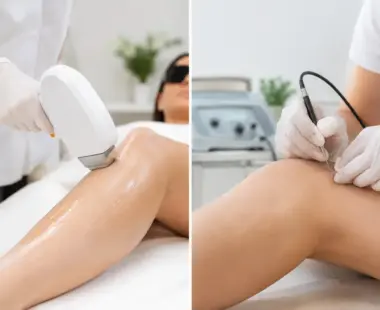
Compare laser hair removal versus electrolysis, including results, comfort, cost, skin tone, and treatment time, to choose the right approach for you.

Learn how to choose body contouring based on your goals, treatment area, timeline, and skin quality, with safe, personalized guidance for results today.
Monday: 9 AM–7 PM
Tuesday: 9 AM–5 PM
Wednesday: 9 AM–7 PM
Thursday: 9 AM–5 PM
Friday: 9 AM–4 PM
Saturday: 9 AM–4 PM
Sunday: 9 AM–2 PM