

RF Versus Surgical Facelift: Which Fits You?
RF versus surgical facelift: compare lifting power, downtime, longevity, and candidacy to choose a personalized path to firmer, more youthful-looking skin.
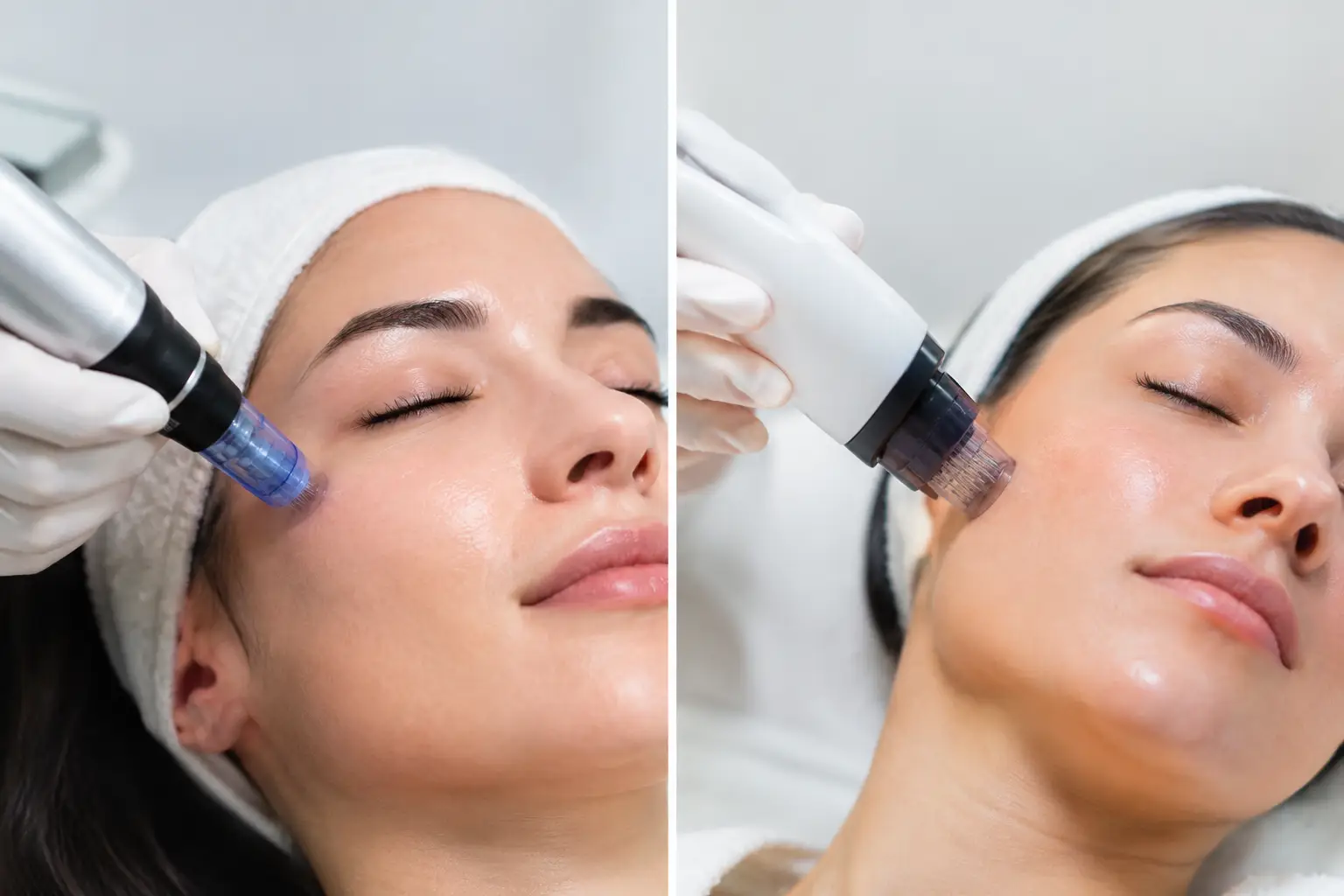
Fine lines that catch in overhead lighting, acne scars that still show through makeup, and skin that no longer feels as firm as it once did can all call for more than a good skincare routine. When comparing microneedling versus radiofrequency needling, the most useful question is not which treatment is “better.” It is which approach best matches your skin concern, treatment goals, tolerance for downtime, and timeline for visible improvement.
Both treatments create controlled micro-injuries that encourage the skin’s natural repair process. Both can support smoother texture, healthier-looking skin, and gradual collagen renewal. The difference is in how deeply and how intensely they stimulate the dermis, the collagen-rich layer where firmness and scar remodeling begin.
Traditional microneedling uses a device with very fine, sterile needles to create tiny channels in the skin. Those controlled channels signal the body to begin a repair response, which can stimulate new collagen and elastin production over time. It is a precise treatment with a long history in professional skin rejuvenation.
Radiofrequency needling, often called RF microneedling, combines those tiny needles with radiofrequency energy. Once the needles reach a selected depth, they deliver controlled heat beneath the surface. This added thermal energy can create a stronger collagen-stimulating response without applying the same level of heat to the uppermost layer of skin.
Think of traditional microneedling as mechanical stimulation and radiofrequency needling as mechanical stimulation plus targeted heat. That extra variable makes RF needling especially compelling for clients seeking improvement in deeper acne scars, laxity, etched lines, or more noticeable texture concerns.
Neither treatment removes skin or produces an instant transformation. Results build gradually as the skin remodels itself, which is part of why expert treatment planning matters. Needle depth, energy settings, treatment spacing, and skin preparation should be selected for the individual rather than copied from a standard protocol.
Microneedling is often an excellent fit for early signs of aging, dullness, mild uneven texture, enlarged-looking pores, and superficial acne scarring. It can also be a practical option for clients who want collagen support with relatively modest downtime. Because it does not rely on heat energy, it may be preferable when a more conservative approach is appropriate.
Radiofrequency needling is generally considered when the concern is more structural. It may be recommended for deeper rolling acne scars, crepey texture, loss of facial firmness, lines around the mouth, jawline definition, and skin quality concerns on areas such as the neck, chest, or body. The ability to customize needle depth and radiofrequency delivery makes it a highly adaptable treatment when performed by an experienced provider.
There is overlap. A person with mild acne scarring may see meaningful improvement with traditional microneedling, while someone with moderate scarring may benefit more from RF needling. Similarly, a client in their late 20s may choose RF needling preventively for collagen support, while another client may reserve it for more visible laxity later on. The right choice depends on the condition of your skin, not just your age.
Acne scars and laxity do not all sit at the same level in the skin. Shallow texture concerns may respond well to standard microneedling, while deeper scars often require a treatment strategy that reaches farther into the dermis. Radiofrequency needling allows a provider to pair that depth with thermal stimulation, which can enhance collagen remodeling in targeted areas.
That does not mean deeper is always better. Excessive depth or energy is not a shortcut to better results. Precision is the priority, especially around thinner skin and in clients with reactive, inflamed, or pigment-prone skin.
Both treatments are typically performed with topical numbing cream to make the experience more comfortable. Most clients describe microneedling as manageable, with a warm, scratch-like sensation in sensitive areas. RF needling can feel more intense because of the energy delivery, although modern systems and proper numbing help keep treatment comfortable.
After traditional microneedling, redness often resembles a mild to moderate sunburn. Skin may feel tight, warm, or dry for one to three days, followed by light flaking in some cases. Many clients are ready to return to normal social activities quickly, though makeup is usually avoided immediately after treatment based on provider guidance.
After radiofrequency needling, redness and swelling can be more noticeable, particularly in areas treated for deeper scars or firming. Most clients experience a few days of visible recovery, but the timeline varies with settings, treatment area, and individual skin response. Small pinpoint marks may be present temporarily.
For either procedure, protect the skin carefully after treatment. That usually means gentle cleansing, hydration, consistent sunscreen use, and a short pause on potentially irritating active ingredients such as retinoids, exfoliating acids, and certain acne products. Your provider should give you a personalized aftercare plan rather than relying on generic instructions.
A fresh glow can appear within days of microneedling, often because the skin is temporarily hydrated and renewed. The more meaningful changes, such as smoother texture and softened fine lines, develop over several weeks as collagen production progresses.
Radiofrequency needling follows a similar pattern, but its collagen remodeling benefits can continue to evolve for months. Some clients notice skin looking firmer and more refined after the first session. For acne scars, deeper lines, and laxity, visible change is usually cumulative and requires patience.
Most treatment plans involve a series rather than one appointment. Traditional microneedling may be scheduled in a series of three or more treatments, often spaced about four to six weeks apart. RF needling is also commonly performed in a series, although the ideal number and interval depend on the concern being treated and the intensity of each session.
Maintenance is worth considering, too. Collagen naturally declines with age, sun exposure, stress, and lifestyle factors. A customized maintenance schedule can help preserve the improvements you have earned without over-treating the skin.
Professional microneedling and RF needling can be appropriate for a wide range of skin tones, but safe treatment is never one-size-fits-all. Skin tone, history of pigmentation, active breakouts, melasma, tendency toward keloid scarring, medication use, and recent sun exposure all affect how a treatment should be planned.
For clients prone to post-inflammatory hyperpigmentation, thoughtful settings and careful pre- and post-treatment care are especially important. Heat can be an advantage in the right hands, but it also requires responsible energy selection. This is one reason a medical aesthetics consultation should include a detailed skin history rather than focusing only on the concern visible in the mirror.
Treatment may need to be postponed if you have an active infection, open lesions, a significant acne flare, or recent excessive sun exposure. Clients who are pregnant, using certain medications, or managing particular medical conditions should discuss candidacy with a qualified medical provider.
Choose traditional microneedling when your goals center on early collagen support, mild texture irregularities, pores, superficial scars, or a lower-intensity rejuvenation plan. It can be a smart starting point for clients who want proven skin renewal with limited recovery time.
Consider radiofrequency needling when you want to address deeper scarring, more visible texture changes, fine lines that need greater support, or mild to moderate skin laxity. It is usually the more intensive option, and that added intensity may be worthwhile when the concern calls for deeper remodeling.
The best treatment is sometimes a phased plan. A provider may recommend beginning with a series of microneedling treatments, combining treatment categories over time, or selecting RF needling for specific areas while using a more conservative approach elsewhere. Your skin can benefit from a strategy designed entirely around you, not a trend or a single device.
At Laser Aesthetics, a personalized consultation can clarify whether microneedling or radiofrequency needling aligns with your skin goals, lifestyle, and comfort level. The right plan should leave you informed, confident, and excited about gradual, natural-looking improvement.

RF versus surgical facelift: compare lifting power, downtime, longevity, and candidacy to choose a personalized path to firmer, more youthful-looking skin.

Our cellulite treatment review explains why dimpling forms, which options can improve it, and how personalized care supports smoother-looking skin over time.

Learn how to improve cellulite appearance with lifestyle habits and advanced non-surgical treatments designed for smoother, firmer-looking skin with care.
Monday: 9 AM–7 PM
Tuesday: 9 AM–5 PM
Wednesday: 9 AM–7 PM
Thursday: 9 AM–5 PM
Friday: 9 AM–4 PM
Saturday: 9 AM–4 PM
Sunday: 9 AM–2 PM