
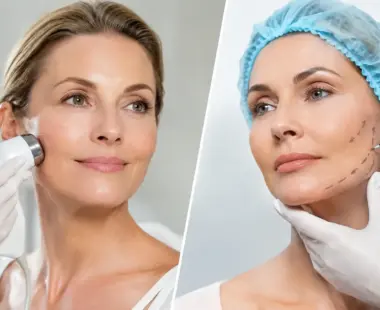
RF Versus Surgical Facelift: Which Fits You?
RF versus surgical facelift: compare lifting power, downtime, longevity, and candidacy to choose a personalized path to firmer, more youthful-looking skin.
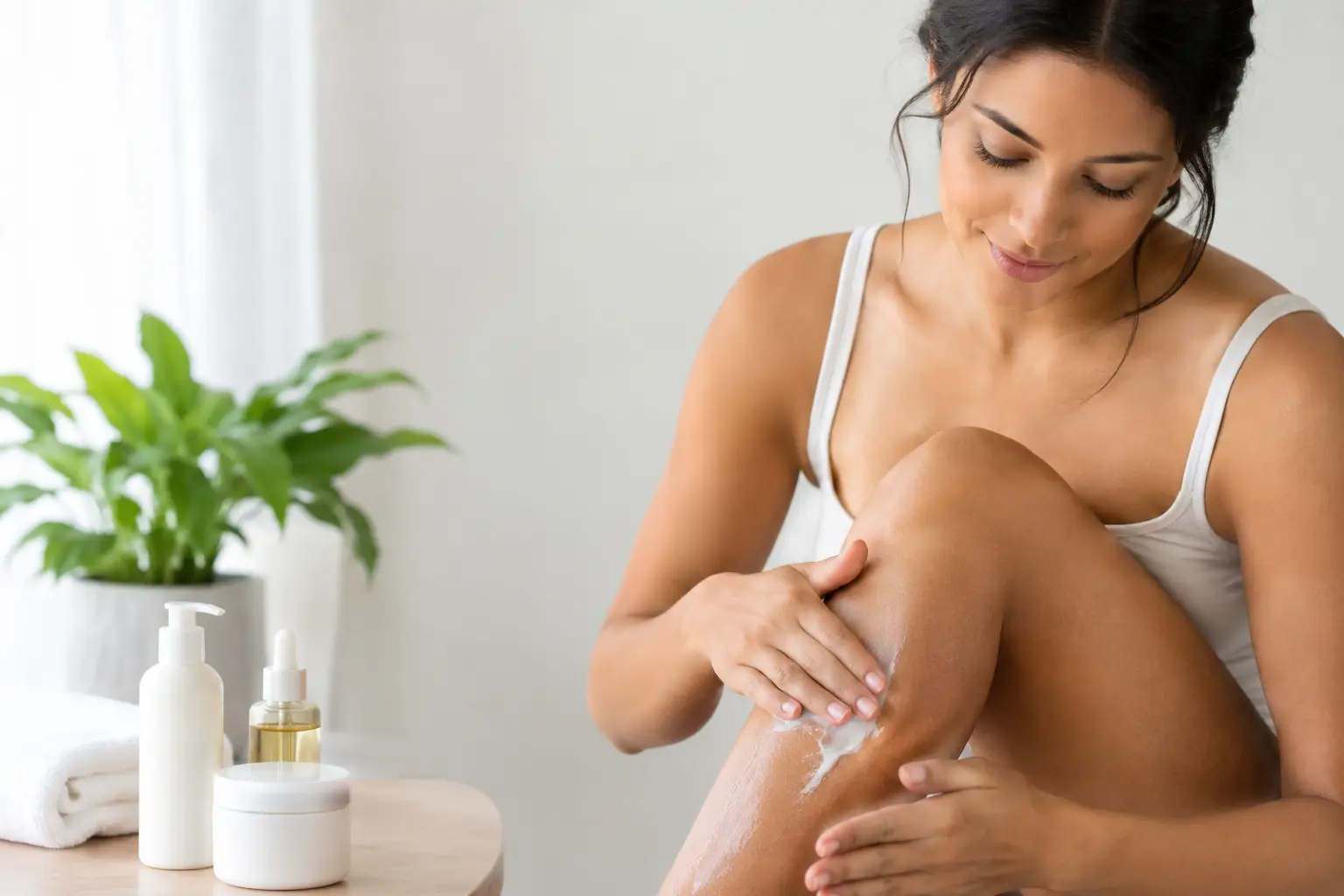
Stretch marks often arrive during seasons of change: pregnancy, weight shifts, muscle gain, puberty, or a period of rapid growth. They are extremely common, but that does not mean you have to ignore the way they affect your confidence. Today’s stretch mark treatments can improve texture, tone, and the overall visibility of these marks with a personalized, non-surgical approach.
The right plan is not about promising perfectly untouched skin. It is about choosing technology and treatment timing that encourage healthier-looking collagen, soften contrast, and help skin appear smoother and more even. For clients who want visible refinement without surgery or extended downtime, professional treatment can be a meaningful next step.
Stretch marks, medically known as striae, form when skin stretches faster than its collagen and elastin structure can adapt. The result is a type of scar within the skin. Early stretch marks may look pink, red, purple, or deep brown depending on your skin tone. Older marks often fade to a lighter, silvery, or white appearance and may feel slightly indented.
That difference matters. Newer marks may respond differently than mature ones, and a treatment that works beautifully on a fair skin tone may require a different setting, wavelength, or strategy for deeper skin tones. The area being treated also matters. Abdomen, hips, thighs, breasts, arms, and lower back can each have different levels of skin thickness and sensitivity.
A thoughtful consultation should account for the age and color of the marks, your skin type, your health history, and how much downtime you are comfortable with. It should also address your goal honestly. Most people are looking for marks that blend more naturally into surrounding skin, not an unrealistic promise of total removal.
At-home creams can help support hydration, especially when skin feels dry or itchy, but they have limits. Moisturizers do not rebuild the deeper collagen changes that create established stretch marks. Prescription retinoids may be appropriate for some early marks, but they are not suitable during pregnancy or breastfeeding and should be discussed with a qualified medical professional.
For more noticeable improvement, in-office collagen-stimulating treatments are often the stronger option.
Microneedling uses precise, controlled micro-injuries to stimulate the skin’s natural repair response. As the skin heals, it produces new collagen and elastin that can gradually improve the texture and depth of stretch marks. It is commonly considered for mature white or silver marks, as well as marks that feel indented.
Treatment plans usually involve a series of sessions, spaced several weeks apart to allow the skin time to remodel. Temporary redness and sensitivity are expected, similar to a moderate sunburn for many clients. Results develop gradually rather than overnight, which is part of what makes collagen-based treatments look natural.
Microneedling may be an excellent choice when texture is the primary concern. It can also be combined with a broader skin-rejuvenation plan when appropriate, but the treatment depth and technique should always be selected for the specific body area.
Fractional non-ablative laser resurfacing delivers energy into targeted columns beneath the skin’s surface while leaving surrounding tissue intact. This approach stimulates collagen renewal with less downtime than fully ablative resurfacing. For stretch marks, it can help improve texture, soften the look of lighter marks, and create a more refined skin surface over time.
Laser settings should never be one-size-fits-all. Experienced providers adjust treatment parameters based on skin tone, sensitivity, the location of the stretch marks, and the amount of correction desired. This matters especially for clients prone to post-inflammatory hyperpigmentation, where overly aggressive treatment can create unwanted discoloration.
Some clients experience warmth, redness, or mild swelling after treatment. Recovery varies, but many people can return to normal routines quickly while following careful aftercare instructions, including sun protection. A series is typically recommended because collagen remodeling is cumulative.
Radiofrequency technology uses controlled heat to stimulate collagen and support firmer-looking skin. It may be considered when stretch marks appear alongside laxity, such as after pregnancy or weight loss. Rather than treating color alone, radiofrequency can be useful in a plan focused on overall skin quality and smoother body contours.
The best candidates and expected results depend on the device, treatment area, and degree of laxity. Radiofrequency is not a replacement for surgery when there is significant loose skin, but it can be a valuable non-surgical option for clients seeking subtle, progressive improvement.
A successful outcome usually looks like stretch marks that are less noticeable in normal lighting, smoother to the touch, and better blended with the surrounding skin. The degree of improvement varies. Fresh, colored marks may respond more readily in some cases, while older white marks often require a more consistent series and more patience.
Your body’s collagen response also plays a role. Genetics, sun exposure, smoking, nutrition, hormonal changes, and fluctuating weight can all influence skin healing and long-term results. This is why ethical providers avoid guaranteeing a specific percentage of improvement before they see your skin and discuss your history.
Before-and-after photos can be helpful, but look for examples with similar skin tone, mark age, and treatment area. Images should also be taken in comparable lighting. Stretch marks can look dramatically different depending on shadows, tanning, and how the skin is positioned.
Starting treatment when stretch marks are newer can be beneficial, but it is never “too late” to explore options for older marks. Mature marks may simply require a different approach and a longer plan. Most professional treatments are performed as a series, because the skin needs time between appointments to create and reorganize collagen.
Aftercare is part of the result. Your provider may recommend gentle skincare, avoiding heat and strenuous exercise for a short period, limiting friction on the area, and protecting exposed skin from the sun. Do not use exfoliating acids, retinoids, or other active products on treated skin unless your provider specifically clears them.
If you are pregnant, breastfeeding, taking medications that affect healing, prone to keloid scarring, or managing an active skin condition, disclose that information before scheduling. Treatment may need to be postponed or adjusted for safety.
The device matters, but the person selecting the settings matters just as much. Look for a medical aesthetics practice that evaluates your skin in person, explains why a particular modality is recommended, and is prepared to modify the plan as your skin responds.
Ask how the treatment is tailored for your skin tone, what the expected downtime is, how many sessions are likely to be recommended, and what realistic improvement looks like for marks like yours. A quality consultation should feel clear and pressure-free, with enough detail for you to make an informed decision.
At Laser Aesthetics, personalized treatment planning is designed around your skin, your comfort, and your goals. Advanced options such as microneedling and fractional non-ablative skin resurfacing can be evaluated as part of a tailored strategy for smoother, more confident-looking skin.
Stretch marks tell a story of change, but they do not have to remain the feature you notice first. With the right clinical guidance, consistent care, and a treatment plan suited to your skin, meaningful improvement can be both realistic and within reach.

RF versus surgical facelift: compare lifting power, downtime, longevity, and candidacy to choose a personalized path to firmer, more youthful-looking skin.
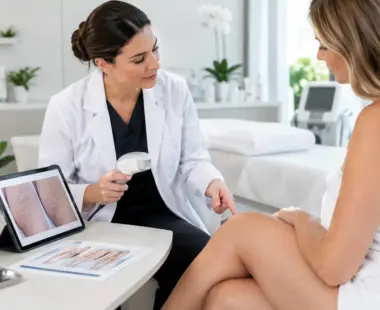
Our cellulite treatment review explains why dimpling forms, which options can improve it, and how personalized care supports smoother-looking skin over time.

Learn how to improve cellulite appearance with lifestyle habits and advanced non-surgical treatments designed for smoother, firmer-looking skin with care.
Monday: 9 AM–7 PM
Tuesday: 9 AM–5 PM
Wednesday: 9 AM–7 PM
Thursday: 9 AM–5 PM
Friday: 9 AM–4 PM
Saturday: 9 AM–4 PM
Sunday: 9 AM–2 PM