
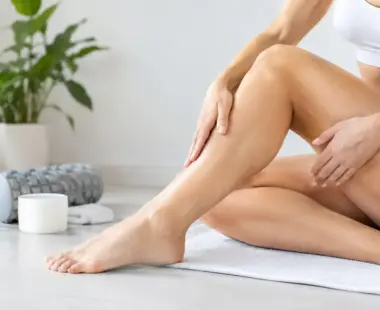
Your Guide to Cellulite Reduction Options
This guide to cellulite reduction options explains causes, proven treatments, realistic results, and how a personalized plan can smooth dimpling safely now.
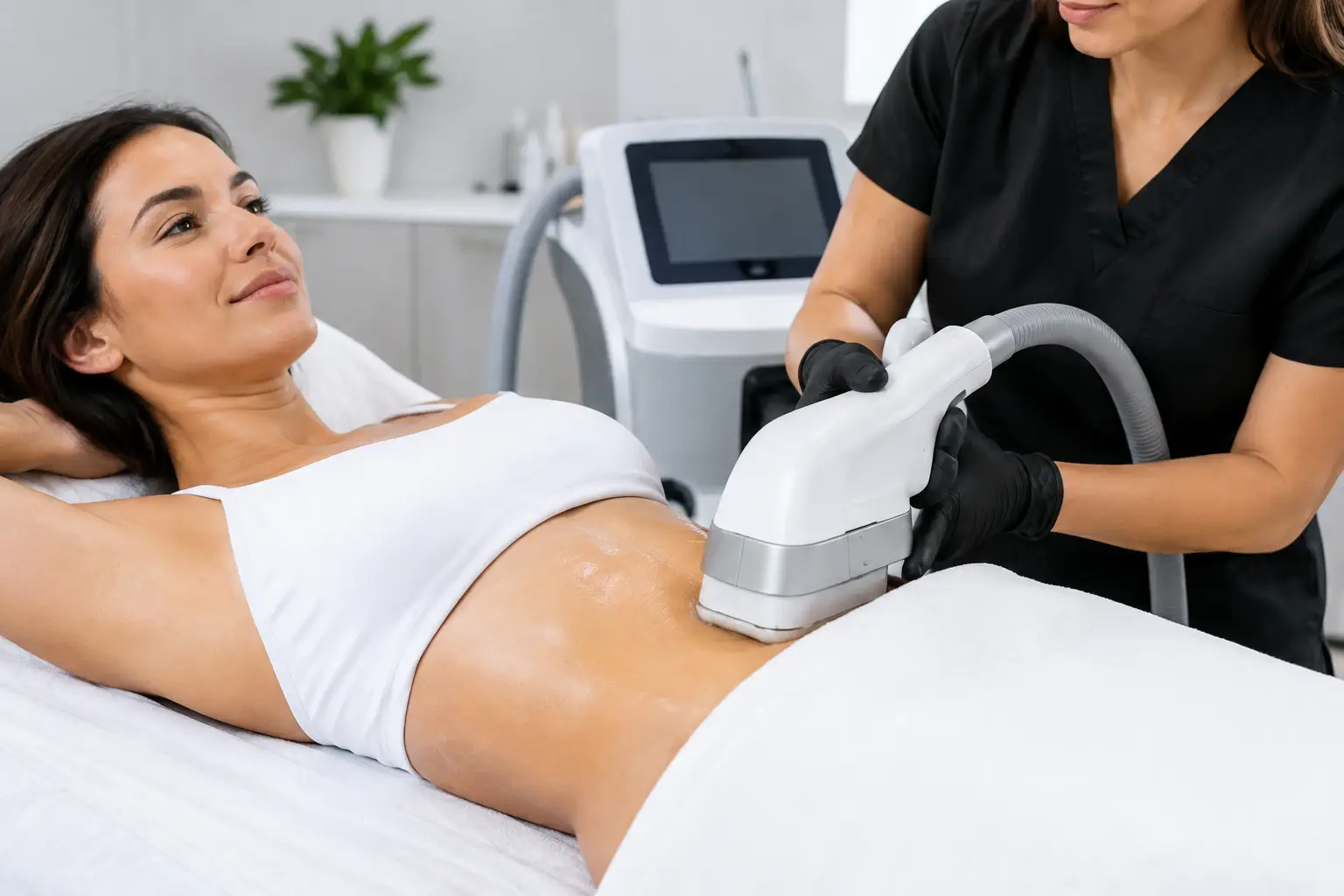
A stubborn lower-abdominal pocket can remain even when your workouts, nutrition, and wardrobe all say you are doing the right things. So, does body sculpting freeze fat? Sometimes. Fat freezing is one type of non-surgical body sculpting, but it is not the definition of body sculpting as a whole.
That distinction matters when you want visible, natural-looking refinement rather than a one-size-fits-all treatment. The best technology for a small pinchable area of fat may not be the best choice for skin laxity, cellulite, or a larger body-composition goal.
No. Body sculpting is an umbrella term for non-surgical treatments designed to reduce localized fat, improve contour, address cellulite, or enhance skin firmness. Some body contouring systems use controlled cooling to target fat cells. Others use heat-based radiofrequency energy, laser energy, muscle stimulation, or a combination of technologies.
Fat-freezing treatments are commonly known as cryolipolysis. During treatment, an applicator pulls or rests over a suitable area of soft, pinchable fat and delivers carefully controlled cooling. Fat cells are more sensitive to cold exposure than surrounding skin and tissue. The cooling process damages the targeted fat cells, which are then gradually processed and cleared by the body’s natural lymphatic system.
This is not the same as freezing the entire body area or instantly melting inches away. The goal is a measured reduction in the thickness of the treated fat layer. Results develop over time and should look proportionate to your natural shape.
Other forms of body sculpting work differently. Radiofrequency treatments use heat to support collagen remodeling and may also affect fat, making them particularly relevant when mild skin laxity is part of the concern. Certain muscle-stimulation technologies trigger powerful muscle contractions to build tone and definition. Cellulite-focused options may target the fibrous bands and skin quality that create dimpling. A personalized plan can combine approaches when one concern is not the whole story.
Cryolipolysis begins with an assessment of the area you would like to improve. A qualified provider evaluates the amount and location of fat, skin quality, prior procedures, health history, and whether the concern is appropriate for a cooling-based treatment.
Once the applicator is placed, you may feel firm pressure, pulling, intense cold, and temporary numbness. Those sensations generally ease as the area becomes numb. Treatment time varies by device and treatment area. Most clients return to normal routines right away, although temporary redness, tenderness, swelling, bruising, tingling, or numbness can occur.
After treatment, the body does the work gradually. The affected fat cells do not disappear overnight. Over the following weeks, the body clears them through normal metabolic processes. Many people begin noticing a change within several weeks, with final results often becoming more apparent over two to three months. Some areas require more than one session to reach the desired level of refinement.
The reduction is permanent for the fat cells that are eliminated. However, remaining fat cells can still enlarge with weight gain. A stable lifestyle remains the best way to protect your contouring results.
Fat freezing can be a strong option for people who are near a stable, healthy weight and want to reduce a specific bulge that has been resistant to diet and exercise. Common concerns include fullness under the chin, the lower abdomen, flanks, upper arms, inner or outer thighs, bra-line fullness, and small pockets around the back.
It is not a weight-loss procedure. It cannot replace nutrition support, strength training, or medical weight management when those are the right next steps. It also cannot reliably correct significant loose skin, repair separated abdominal muscles, or deliver the degree of change that surgery can provide.
A useful rule of thumb is this: body sculpting refines contours, while weight loss changes overall body size. Those goals may overlap, but they require different expectations and sometimes different treatment plans.
Skin quality deserves equal attention. If you can reduce a pocket of fat but are concerned that the skin over it feels crepey or lax, a heat-based skin-tightening approach may be more appropriate than cooling alone. If dimpling is the concern, cellulite treatment may create a more meaningful improvement than fat reduction. Advanced care starts by identifying what is actually creating the shape you see in the mirror.
When performed with an appropriate device, correct applicator placement, and thoughtful candidate screening, fat freezing is a well-established non-surgical contouring option. The most common effects are temporary and localized, including soreness, numbness, sensitivity, swelling, redness, or bruising.
There is also a rare but important risk called paradoxical adipose hyperplasia, or PAH. Rather than shrinking, the treated fat tissue enlarges and becomes firmer. It may require surgical correction. This is uncommon, but it should be discussed before treatment. A reputable provider will never treat this conversation as an afterthought.
Not everyone is a candidate for cryolipolysis. People with certain cold-related medical conditions, including cryoglobulinemia, cold agglutinin disease, or paroxysmal cold hemoglobinuria, should not receive fat-freezing treatment. A provider should also review prior surgeries, hernias, skin conditions, implanted devices, medications, pregnancy status, and any concern that could affect treatment safety.
Ask about the specific technology being used and the provider’s experience with that system. In aesthetics, the device matters, but the evaluation and execution matter just as much. FDA clearance or authorization is specific to a device and intended use. It does not mean every treatment plan or every outcome is identical.
The right treatment depends on what you want to change. Cooling-based contouring is often best suited to a defined, pinchable fat pocket and a client comfortable waiting for gradual results. Heat-based body contouring can be appealing for those who want to prioritize skin firmness along with contour improvement. Muscle-focused technology may fit clients who are already active and want more visible abdominal or glute definition. Cellulite reduction is its own category and benefits from a targeted plan.
During a professional consultation, you should expect more than a quick look at the treatment area. A careful provider will ask what has changed, what you have tried, whether your weight is stable, and how much downtime you can accept. They should explain the expected degree of improvement, whether multiple sessions are likely, and why one technology is being recommended over another.
At Laser Aesthetics, body contouring should feel designed entirely around you, not around a device that happens to be available that day. For clients in North Scottsdale and the Phoenix area, that means a treatment plan grounded in your anatomy, your timeline, and the level of improvement you want to see.
The most satisfying body sculpting results are usually subtle enough that people notice you look more polished, toned, or proportionate without immediately knowing why. Before-and-after photos can be helpful, but they should show clients with similar body shapes and concerns, photographed consistently. Your response may differ based on the size of the area, skin elasticity, metabolism, and whether your weight remains stable.
Be cautious of promises that a single treatment will dramatically transform every area of the body. Precision produces better outcomes than overpromising. Sometimes the right answer is one treatment; sometimes it is a series, a combination plan, or a recommendation to wait until your weight has stabilized.
If your goal is to feel more confident in fitted clothing, reduce a persistent bulge, or improve the appearance of a specific area without surgery, fat freezing may be worth discussing. The best next step is not choosing a trend. It is choosing an experienced provider who can explain which form of body sculpting matches the body you have and the result you want.

This guide to cellulite reduction options explains causes, proven treatments, realistic results, and how a personalized plan can smooth dimpling safely now.
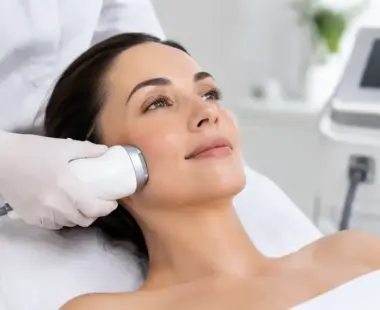
RF tightening uses controlled radiofrequency energy to support firmer, smoother-looking skin with minimal downtime and personalized treatment planning.

Hair restoration in Scottsdale starts with a personalized plan for thinning hair. Learn what to expect from safe, non-surgical treatment options and care.
Monday: 9 AM–7 PM
Tuesday: 9 AM–5 PM
Wednesday: 9 AM–7 PM
Thursday: 9 AM–5 PM
Friday: 9 AM–4 PM
Saturday: 9 AM–4 PM
Sunday: 9 AM–2 PM

Get treatment insights and occasional special offers from Laser Aesthetics AZ.
Marketing consent is optional and not required to purchase or book a treatment.