

Your Guide to Cellulite Reduction Options
This guide to cellulite reduction options explains causes, proven treatments, realistic results, and how a personalized plan can smooth dimpling safely now.

A widening part, a more visible scalp under bright Arizona sunlight, or extra hair collecting in the shower can feel surprisingly personal. Hair restoration is not about chasing an unrealistic version of yourself. It is about addressing changes early, understanding what may be driving them, and creating a plan that supports fuller-looking, healthier hair with a natural result.
For many adults, thinning hair does not happen all at once. It often develops gradually, which can make it easy to dismiss until styling becomes harder or photos look different. A professional evaluation provides a clearer starting point than guessing at products or investing in a one-size-fits-all solution.
Hair density changes for many reasons, and the right approach depends on the cause, the pattern of loss, and how long it has been occurring. Genetics are a common factor for both women and men. Hormonal shifts, including those associated with pregnancy, menopause, thyroid conditions, or changes in medication, can also affect the growth cycle.
Stress, illness, significant weight changes, nutritional deficiencies, and scalp inflammation may contribute as well. Some people notice diffuse shedding across the scalp, while others see a receding hairline, thinning at the crown, or a widening part. These details matter because they can help distinguish temporary shedding from progressive hair loss.
Hair grows in cycles. At any given time, some follicles are actively producing hair, while others are resting before shedding and beginning again. When that rhythm is disrupted or follicles gradually become smaller, hair may grow back finer, shorter, and less dense. Non-surgical treatment can be most valuable when follicles are still present and responsive, rather than after an area has become completely smooth.
It is reasonable to schedule a consultation when shedding persists for several months, your scalp becomes more visible, or your hairline and part have noticeably changed. Sudden, patchy hair loss, scalp pain, redness, itching, or scaling should also be assessed by an appropriate medical provider. These symptoms can point to an underlying condition that needs diagnosis before aesthetic treatment begins.
Non-surgical hair restoration is designed to support healthier follicle function, encourage stronger growth, and improve the appearance of density over time. Depending on the treatment plan and the individual, clients may notice less shedding, improved hair caliber, and more coverage in areas where thinning is beginning or progressing.
It is not an overnight solution, and it cannot promise the same response for every person. Hair grows slowly, typically only a fraction of an inch each month. Visible improvement often requires patience, consistent appointments when recommended, and a willingness to follow a plan designed around your scalp, hair pattern, and goals.
The most effective plans also set honest expectations. If thinning has been present for years or a follicle is no longer active, treatment may improve the quality of existing hair without fully recreating former density. A skilled provider should be direct about what is realistic while still identifying the opportunities for meaningful improvement.
The consultation is where a treatment plan becomes truly individualized. Rather than treating hair loss as one concern with one answer, your provider should look at the distribution of thinning, the condition of the scalp, your health history, your timeline, and the level of change you hope to see.
At Laser Aesthetics, care is designed around the person in the treatment chair. A thoughtful consultation allows the team to discuss non-surgical options, explain how each approach works, and determine whether treatment is appropriate for your goals. This is also the right time to share medications, recent health changes, family history, and previous attempts at hair growth support.
For some clients, a series of in-office treatments may be recommended, followed by maintenance care to help protect results. Others may benefit from combining professional treatment with physician-guided medical care or targeted at-home support. The right combination depends on your specific pattern of thinning and your willingness to maintain progress long term.
A high-quality consultation should leave you with practical answers, not vague promises. Ask what type of thinning you appear to have, how many sessions may be recommended, when you can reasonably expect to see change, and what maintenance may involve. It is also helpful to ask about treatment comfort, downtime, candidacy, and whether any health concerns should be evaluated separately.
Before-and-after photos can be useful when they reflect comparable lighting, hair length, styling, and treatment timelines. Hair can appear dramatically fuller or thinner depending on how it is parted, colored, or photographed. Transparent documentation helps you judge progress fairly.
A professional hair restoration appointment should feel private, well explained, and tailored to your comfort. Your provider will review the plan, prepare the treatment area, and discuss what you may feel during the session. Comfort levels vary by treatment and individual sensitivity, but non-surgical options are generally designed to fit into a busy schedule with little to no extended downtime.
You may receive aftercare instructions specific to the treatment performed. These can include guidance on washing your hair, exercise, sun exposure, scalp products, or when to resume other services. Following these directions matters. The scalp is an active treatment area, and giving it the appropriate time to recover helps support a smooth experience.
Consistency matters as much as the initial appointment. Hair restoration is often a process rather than a single event. Missing recommended sessions or stopping maintenance as soon as early improvement appears can make it harder to sustain momentum.
Professional treatment works best alongside habits that respect your hair and scalp. This does not mean buying every trending serum or supplement. It means choosing a thoughtful routine and avoiding practices that may add unnecessary stress to already fragile strands.
Be gentle with wet hair, which is more prone to breakage. Limit tight styles that pull at the hairline, frequent high-heat styling, and chemical services that leave hair brittle or irritated. If you color your hair, a conversation with your stylist about gentler processing and strategic placement can help maintain the look you enjoy while reducing avoidable damage.
Nutrition also deserves a realistic conversation. Protein, iron, vitamin D, and other nutrients can influence hair health, but supplements are not a universal answer. Taking high-dose products without knowing what your body needs can be ineffective or counterproductive. If deficiency is a concern, discuss appropriate testing with your medical provider.
Stress management is another factor worth considering, especially after a demanding season, illness, or major life event. Stress-related shedding can be distressing, but it may improve as the body rebalances. A consultation can help determine whether your pattern looks consistent with temporary shedding, hereditary thinning, or another concern.
Hair concerns deserve more than an impulse purchase and a hopeful review. Look for a provider who prioritizes consultation, clear communication, and individualized care. The conversation should include your candidacy, expected timeline, treatment plan, and the limits of what can be achieved.
Technology and technique matter, but so does judgment. Premium aesthetic care means using appropriate, evidence-informed options responsibly and adjusting recommendations to the person, not the sales goal. You should feel comfortable asking questions and confident that your provider is focused on safe, natural-looking progress.
If thinning hair has started to change how you style your hair, feel in photographs, or move through your day, there is value in getting a professional perspective. A personalized consultation can replace uncertainty with a clear next step and a plan built around the confidence you want to see in the mirror.

This guide to cellulite reduction options explains causes, proven treatments, realistic results, and how a personalized plan can smooth dimpling safely now.
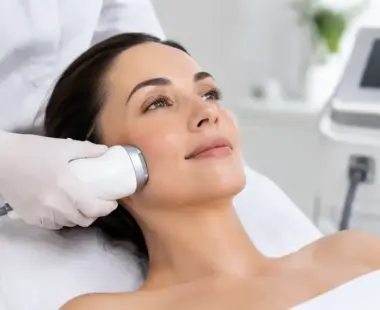
RF tightening uses controlled radiofrequency energy to support firmer, smoother-looking skin with minimal downtime and personalized treatment planning.
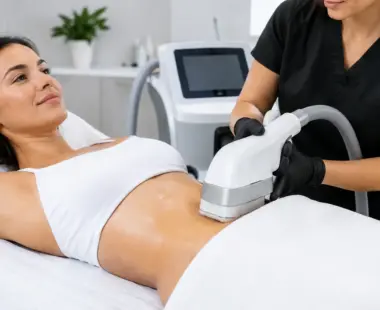
Does body sculpting freeze fat? Learn how fat-freezing treatments work, what results to expect, and when another body contouring option may fit better.
Monday: 9 AM–7 PM
Tuesday: 9 AM–5 PM
Wednesday: 9 AM–7 PM
Thursday: 9 AM–5 PM
Friday: 9 AM–4 PM
Saturday: 9 AM–4 PM
Sunday: 9 AM–2 PM

Get treatment insights and occasional special offers from Laser Aesthetics AZ.
Marketing consent is optional and not required to purchase or book a treatment.