

Laser Hair Removal Packages Review: Real Value
Read a laser hair removal packages review that explains session counts, technology, costs, safety, and how to choose a plan designed for lasting smoothness.
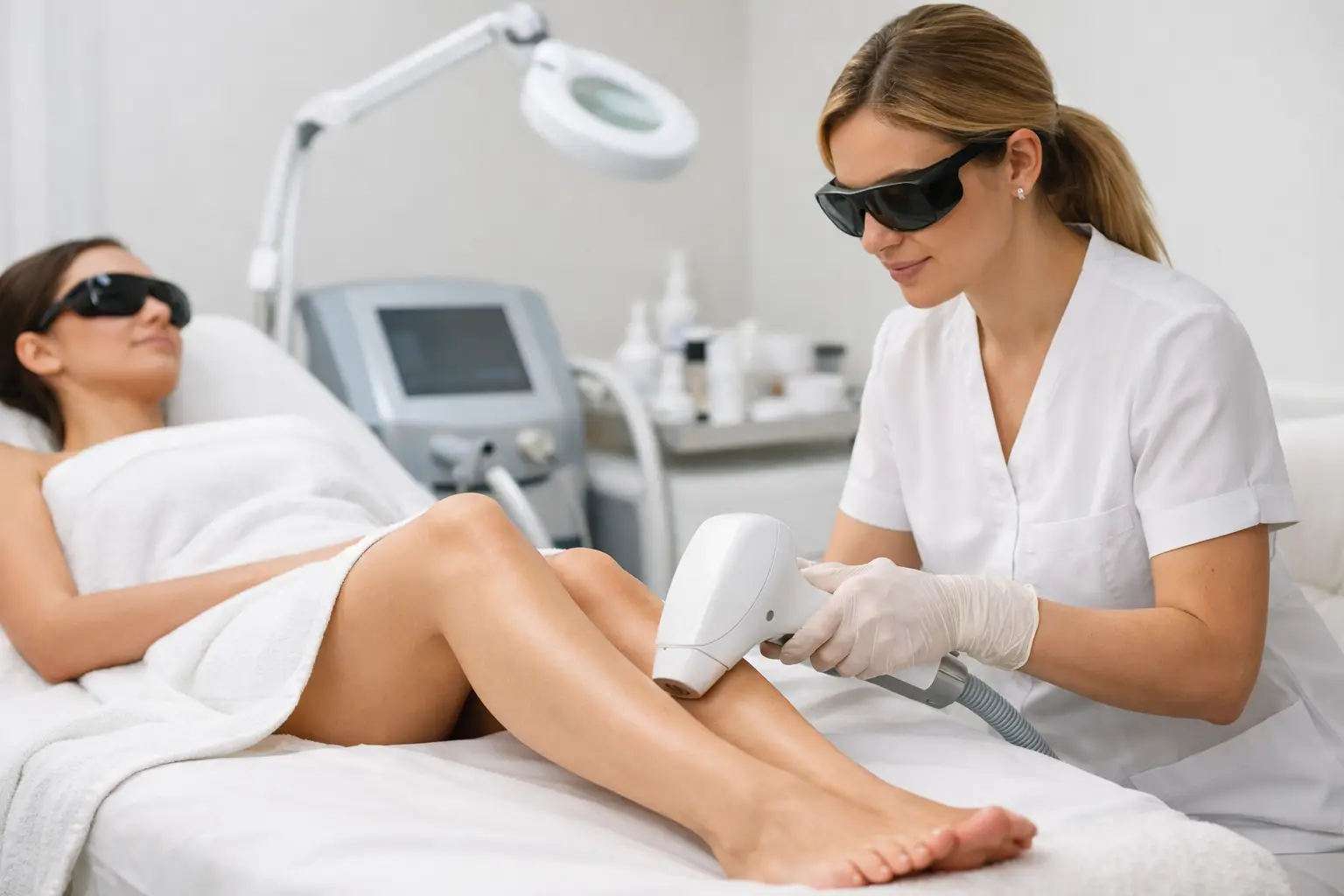
If you are tired of shaving your legs only to feel stubble again by the next day, laser hair removal is usually the point where convenience starts to matter as much as appearance. Learning how to laser hair removal legs the right way is less about buying into hype and more about understanding timing, technology, skin tone, hair type, and provider skill. When those pieces are aligned, leg treatments can be one of the most satisfying ways to reduce unwanted hair with long-term results.
The first thing to know is that laser hair removal works by targeting pigment in the hair follicle. The laser energy is absorbed by the melanin in the hair, heats the follicle, and disrupts future growth. Because of that, treatment is most effective when the hair is darker than the surrounding skin and actively growing.
Legs respond well because they cover a broad, predictable treatment area and the hair growth pattern is usually easy to map. That said, results still depend on the quality of the device, the settings used, and whether your plan is customized for your skin type. Advanced platforms such as the GentleMax Pro are especially valued because they allow providers to treat a wider range of skin tones with greater precision and comfort.
A safe and effective treatment plan starts with a consultation, not with a generic package. A qualified provider should assess your skin tone, hair density, medical history, sun exposure habits, and any factors that could affect how your skin responds. If someone skips that step, it is reasonable to question how personalized the treatment really is.
Preparation has a direct effect on both safety and results. The most important step is shaving the legs about 24 hours before your appointment. That leaves the follicle intact under the skin while removing surface hair that could otherwise absorb too much heat.
You should avoid waxing, tweezing, or using depilatory creams for several weeks before treatment because those methods remove the hair root the laser needs to target. Sun exposure matters too. Tanned skin can make treatment less predictable, which is why many providers recommend avoiding direct sun and self-tanner before your session.
It is also smart to arrive with clean skin. Skip heavy lotion, body oil, shimmer products, and anything that could interfere with the laser handpiece or increase skin sensitivity. If you use active skin care products on your legs, ask whether you should pause them for a few days beforehand.
For most clients, leg laser hair removal is straightforward. Your provider may divide the area into lower legs, upper legs, or full legs depending on your goals. Protective eyewear is worn, the skin is evaluated one more time, and the laser settings are adjusted based on your treatment plan.
The sensation is often described as a quick snap against the skin, followed by heat. Premium devices with cooling features can make a major difference here, especially on larger treatment areas like the legs. Discomfort is usually manageable, but pain tolerance varies. Full legs take longer than smaller areas, so the experience is more about repetition than intensity.
You may notice mild redness or slight swelling around the follicles right after the appointment. That is common and often a sign that the follicles responded. Most people return to normal activity the same day, although hot workouts, saunas, and prolonged sun exposure are best avoided immediately after treatment.
This is where expectations matter. Laser hair removal does not remove every hair in one visit because hair grows in cycles, and the laser is most effective during the active growth phase. Since not every follicle is in that phase at the same time, multiple sessions are necessary.
For legs, many people need a series of about six to eight treatments spaced several weeks apart, though some need more. Coarser dark hair often responds faster than finer or lighter hair. Hormonal influences, genetics, and treatment consistency also affect the timeline.
Reduction is usually gradual. You may see patchiness after the first few sessions, then slower and finer regrowth over time. That is normal. The goal is not always total permanent removal of every strand. More often, it is a significant long-term reduction in hair growth, along with smoother skin and less dependence on shaving.
One of the most important parts of treatment is matching the right laser to the right client. This is not a detail to overlook. Different wavelengths interact with skin and hair differently, which means your provider should choose a system that is appropriate for your skin tone rather than forcing a one-size-fits-all approach.
For lighter skin with darker hair, several laser options may be effective. For deeper skin tones, the margin for error is smaller, and provider experience becomes even more important. Safer treatment for melanin-rich skin requires the right device, conservative but effective settings, and careful observation of how the skin responds.
This is one reason medically informed laser providers stand apart from casual treatment models. The technology matters, but judgment matters just as much. A personalized approach is what protects the skin while still producing visible improvement.
A good candidate for leg laser hair removal is someone looking for long-term hair reduction, willing to complete a treatment series, and realistic about the process. Darker hair usually responds best because it gives the laser a stronger target. Blonde, gray, white, and red hair may be more resistant depending on the device and the amount of pigment present.
There are also times when treatment should be delayed or modified. Recent tanning, certain medications, active skin irritation, and some medical conditions can affect candidacy. Pregnancy policies vary by provider, but many practices postpone elective laser treatments as a precaution.
The best consultation feels specific to you. It should address whether you are a strong candidate now, whether timing should be adjusted, and what kind of result is realistic based on your hair and skin profile.
The most common mistake is inconsistency. Spacing sessions too far apart can slow progress because you miss the ideal treatment window for different hair cycles. Another mistake is waxing between appointments, which removes the target the laser needs.
Choosing a provider based only on price can also backfire. Lower pricing may sound appealing until you find that the technology is outdated, the settings are too conservative to be effective, or the treatment is not properly tailored to your skin. With leg treatments, where the area is large and the investment adds up, quality has a visible payoff.
Sun exposure is another big one. Clients often underestimate how much a tan can affect treatment timing and safety. If your schedule includes frequent pool days, golf, or outdoor exercise, especially in sunny areas like Scottsdale and Phoenix, planning ahead helps protect your results.
After treatment, keep the skin cool, clean, and protected. Mild redness usually fades quickly, and gentle skin care is often all that is needed. Avoid aggressive exfoliation right away, and give your skin time before using heat-based activities or heavily fragranced products.
Over the next one to three weeks, treated hairs may appear to grow before shedding. This can be confusing if you are expecting immediate smoothness, but it is part of the process. Resist the urge to tweeze. Let the treated hair work its way out naturally.
Maintenance sessions may be needed after your initial series. Some clients need occasional touch-ups once or twice a year, while others go longer. That depends on the area treated, your hormones, and how completely the follicles responded during the first round.
For many people, yes, especially if you are routinely shaving, dealing with ingrown hairs, or spending money on waxing over and over again. Legs are one of the areas where the time savings become obvious. You are treating a large surface area that can otherwise demand frequent upkeep.
The trade-off is that laser hair removal requires patience and commitment upfront. It is not an instant fix, and it should never feel rushed. But when treatments are performed with advanced technology, customized settings, and a plan designed around your skin and hair, the payoff is smoother skin, less irritation, and a routine that feels significantly easier.
The best next step is not guessing which package sounds right. It is getting a professional evaluation, asking smart questions, and choosing treatment that is designed entirely around you. When that happens, leg laser hair removal stops feeling like maintenance and starts feeling like freedom.

Read a laser hair removal packages review that explains session counts, technology, costs, safety, and how to choose a plan designed for lasting smoothness.

Compare the best options for body sculpting, from noninvasive fat reduction to muscle toning, and choose a personalized treatment plan with confidence.

Compare the best loose neck treatments, from RF tightening and microneedling to resurfacing, with guidance for choosing the right non-surgical plan today.
Monday: 9 AM–7 PM
Tuesday: 9 AM–5 PM
Wednesday: 9 AM–7 PM
Thursday: 9 AM–5 PM
Friday: 9 AM–4 PM
Saturday: 9 AM–4 PM
Sunday: 9 AM–2 PM