
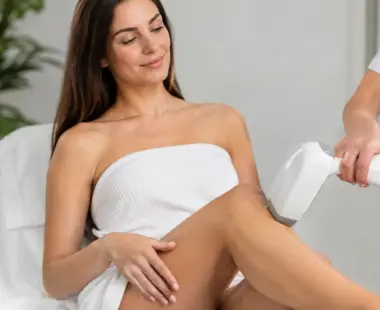
Best Hair Removal Phoenix Options for Smooth Skin
Searching for the best hair removal Phoenix offers? Learn how laser technology, skin-tone expertise, and a personal plan create smoother, lasting results for you.
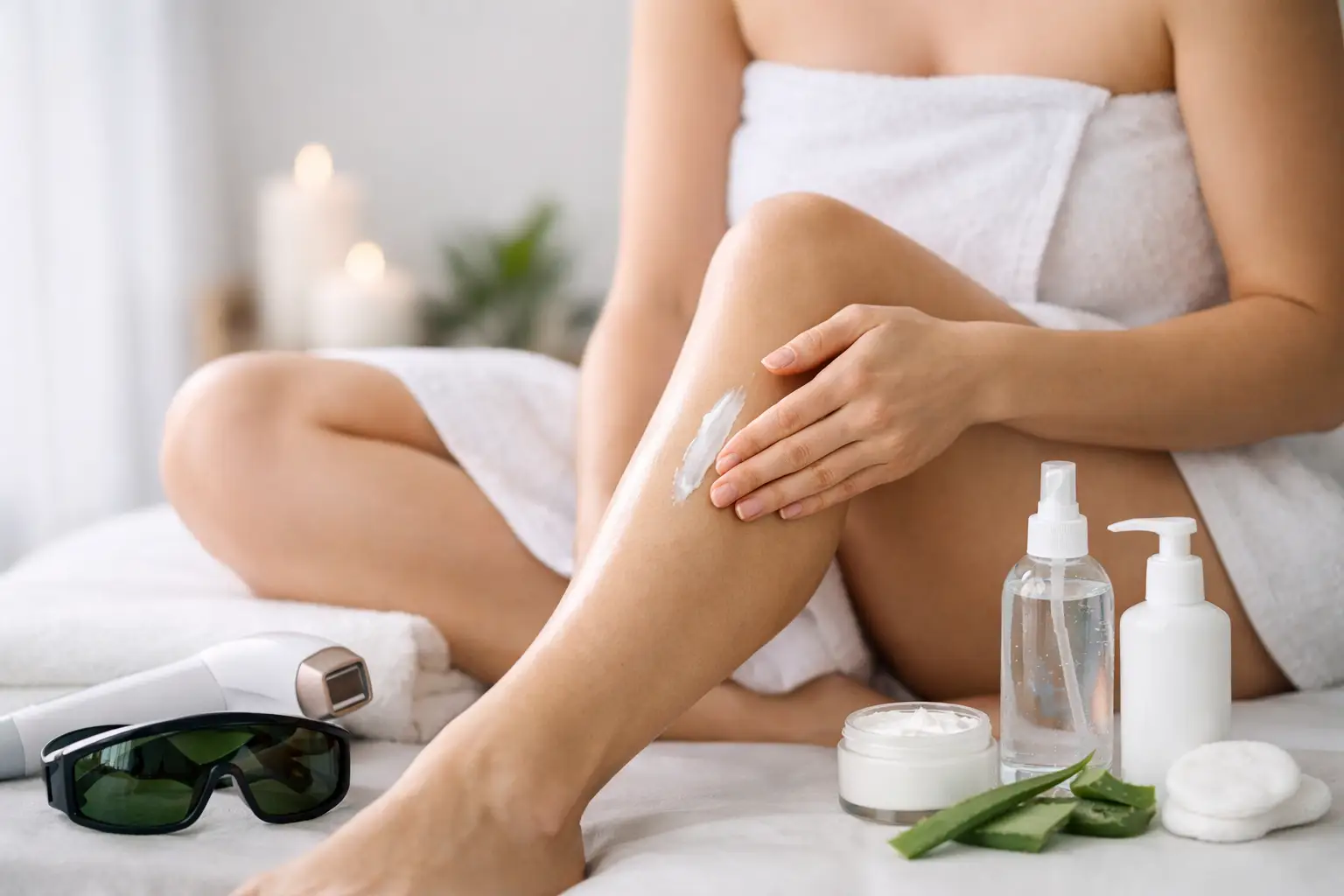
You leave your appointment with skin that looks calm enough, then a few hours later the area feels warm, slightly puffy, or more sensitive than expected. That is exactly why a laser hair removal aftercare guide matters. Great results do not come from the device alone. They also depend on what you do in the first 24 hours, the next few days, and the weeks between sessions.
With advanced platforms like the GentleMax Pro, treatments can be fast, precise, and highly effective across a wide range of skin types. But even premium, FDA-approved technology creates a controlled heat response in the follicle. Your skin needs the right support afterward so you can stay comfortable, protect the treatment area, and get the most from every session.
Laser hair removal works by targeting pigment in the hair follicle with concentrated light energy. That energy converts to heat, which disrupts future hair growth. The goal is selective damage to the follicle while keeping the surrounding skin as comfortable and protected as possible.
After treatment, mild redness and perifollicular edema – the small bumps or swelling around treated follicles – are common and often a sign that the follicles responded. This does not mean your skin is injured, but it does mean it is temporarily more reactive. If you add friction, heat, sun exposure, or harsh products too soon, you can increase irritation and make recovery feel longer than it needs to.
There is also a practical side to aftercare. Clients often assume the treatment failed when they see hair in the area a week or two later. In most cases, that hair is shedding, not growing normally. Knowing what is expected helps you avoid over-treating the skin with scrubs, waxing, or unnecessary products.
The first 24 to 48 hours are mostly about calming the skin. Keep the area clean, cool, and free from anything aggressive. A cool compress can help if you feel residual heat. If your provider recommends aloe vera gel or a simple, fragrance-free moisturizer, that is usually enough.
Wear loose, breathable clothing if the treated area is on the body. Tight waistbands, leggings, or rough fabrics can create friction that makes the skin feel more irritated. For underarms or bikini areas, this detail matters more than most people expect.
Skip hot showers, steam rooms, saunas, hot yoga, and intense workouts for at least 24 hours, sometimes longer if your skin is still pink or sensitive. Heat increases blood flow to the area and can make redness linger. If you exercise daily, this is one of those moments where one missed workout can be better for your skin than pushing through discomfort.
You should also keep your hands off the area as much as possible. Touching, rubbing, or testing the skin repeatedly can turn mild sensitivity into prolonged irritation.
The most important rule is simple: do not do anything that adds more trauma to the skin. That includes exfoliating acids, retinoids, benzoyl peroxide, strong scrubs, and heavily fragranced body products on the treated area until your provider says it is safe to resume them.
Sun exposure is another major issue. Recently treated skin is more vulnerable, and tanning before or after sessions can increase the risk of complications and limit how aggressively and effectively settings can be used. If the area is exposed, use a broad-spectrum SPF 30 or higher and be consistent about reapplying it. This is especially important in places like Scottsdale and the greater Phoenix area, where incidental sun exposure adds up quickly.
Waxing, tweezing, and threading should also stay off the table between sessions. These methods remove the follicle target that the laser needs. Shaving is typically fine when the skin has settled, but hair should not be pulled from the root.
Most clients experience a mild sunburn-like sensation for a few hours, sometimes into the next day. Redness, slight swelling around follicles, and temporary sensitivity are common. Some areas, especially the bikini line, upper lip, and underarms, can feel more reactive because the skin is thinner or more delicate.
A dry or slightly rough texture can also happen as the skin settles. That does not automatically mean something is wrong. In many cases, gentle moisturizing and time are enough.
What deserves a call to your provider is a stronger reaction that seems to be worsening rather than improving – significant blistering, crusting, severe swelling, or persistent pain. The right medical aesthetics practice will want to hear from you early, not after you have tried to fix it yourself.
One of the most misunderstood parts of laser hair removal is the shedding phase. Treated hairs do not always disappear immediately. Over the next one to three weeks, they often work their way out of the follicle and shed naturally.
This can look like regrowth if you are not expecting it. It is not unusual to feel stubble or see dark dots in the area. Resist the urge to wax or aggressively exfoliate. Once the skin is no longer sensitive, gentle exfoliation may help the hairs release, but timing matters. Too soon, and you can irritate skin that is still recovering.
Results also happen in cycles. Because hair grows in different phases, multiple sessions are necessary. Aftercare supports each treatment, but consistency with your treatment plan is what builds long-term reduction.
Aftercare is not identical everywhere on the body. Facial areas need a little more caution because people tend to apply active skin care daily. If you had the upper lip, chin, or sideburns treated, pause retinoids, exfoliating acids, and acne treatments on that area until the skin feels fully calm. Makeup may be fine for some clients after 24 hours, but only if the skin is not irritated and your provider has cleared it.
Body areas have different challenges. Legs and arms may be exposed to sun more often, while bikini and underarm areas are more prone to sweat and friction. For those zones, breathable fabrics, a gentle cleanser, and avoiding exercise heat for the first day can make recovery much easier.
If you are treating a hormonally influenced area, like the face in some women or the neck in some men, expectations should be realistic. Hair reduction can still be excellent, but maintenance sessions may be part of the long-term plan.
A personalized treatment plan matters before the laser ever starts, and it matters just as much afterward. Deeper skin tones often require especially thoughtful settings, device selection, and aftercare guidance because post-inflammatory pigment changes are a greater concern when skin is irritated.
That does not mean laser hair removal is off the table. It means expertise matters. Advanced systems such as the GentleMax Pro are valued because they offer flexible wavelengths and customization, but even the best technology performs best in experienced hands. Aftercare for melanin-rich skin often places extra emphasis on sun protection, gentle products, and avoiding inflammation triggers.
The best aftercare also sets up the next appointment. Keep the area protected from sun exposure, avoid plucking hair from the root, and follow your provider’s shaving instructions before treatment. If you had a stronger-than-expected reaction, mention it at your next visit. That feedback helps your provider adjust settings, cooling approaches, or timing if needed.
It is also worth tracking how quickly shedding happened and whether some patches responded faster than others. Hair density, thickness, hormones, and skin sensitivity can all vary by area, so treatment plans often need small refinements over time. That is part of customized care, not a sign that something is off track.
A strong laser hair removal aftercare guide should make you feel informed, not overwhelmed. The basics are clear: cool the skin, protect it from heat and sun, avoid irritating products, and be patient during shedding. Where things become more specific is in your skin tone, treatment area, medication history, and overall sensitivity.
That is why professional aftercare instructions should never feel generic. A premier provider looks at the full picture – your device settings, your skin’s response, your lifestyle, and your goals – then tailors guidance around you. At Laser Aesthetics, that level of personalization is part of what makes advanced treatment feel both effective and reassuring.
Smooth results are not only about what happens in the treatment room. They are built in the quiet hours afterward, when good decisions protect your skin and give every session the best chance to perform.

Searching for the best hair removal Phoenix offers? Learn how laser technology, skin-tone expertise, and a personal plan create smoother, lasting results for you.
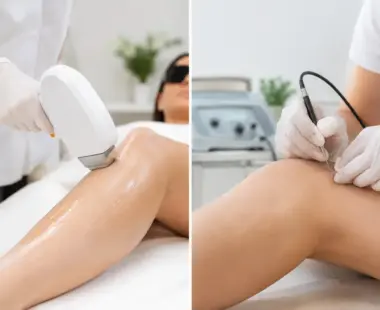
Compare laser hair removal versus electrolysis, including results, comfort, cost, skin tone, and treatment time, to choose the right approach for you.

Learn how to choose body contouring based on your goals, treatment area, timeline, and skin quality, with safe, personalized guidance for results today.
Monday: 9 AM–7 PM
Tuesday: 9 AM–5 PM
Wednesday: 9 AM–7 PM
Thursday: 9 AM–5 PM
Friday: 9 AM–4 PM
Saturday: 9 AM–4 PM
Sunday: 9 AM–2 PM